alumnidigest.com Alumni DigestWestern
0% Subscribe
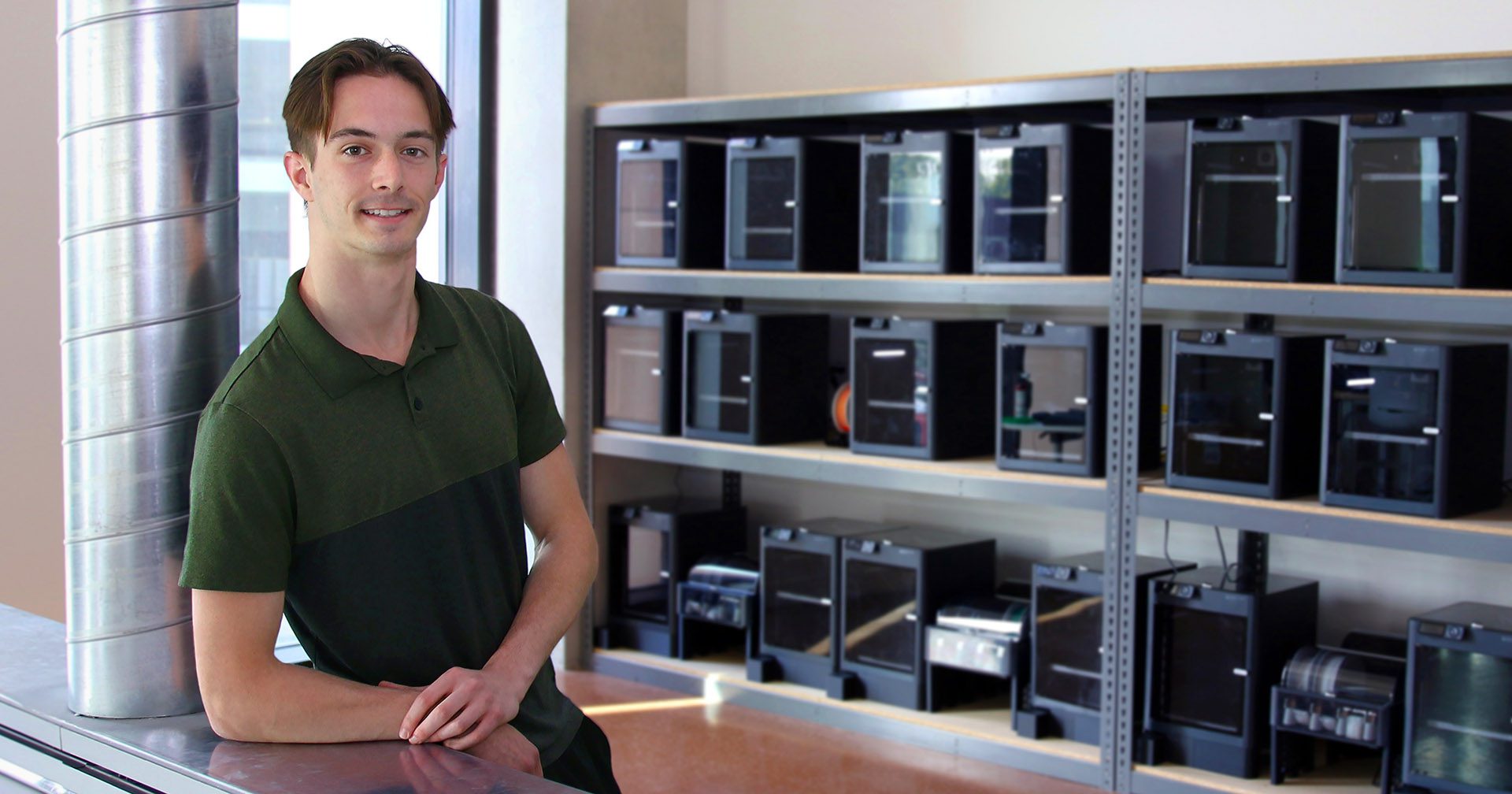
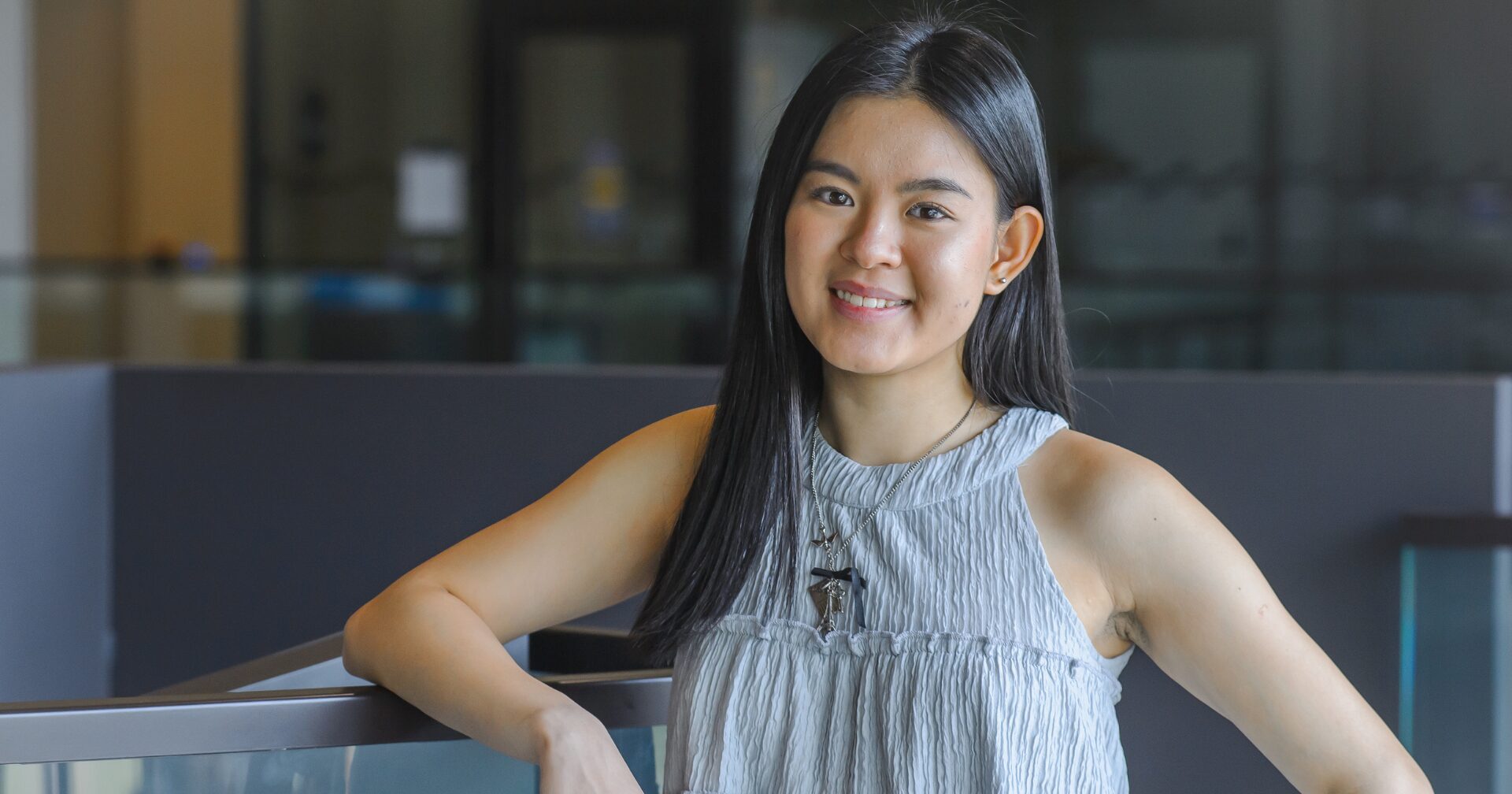
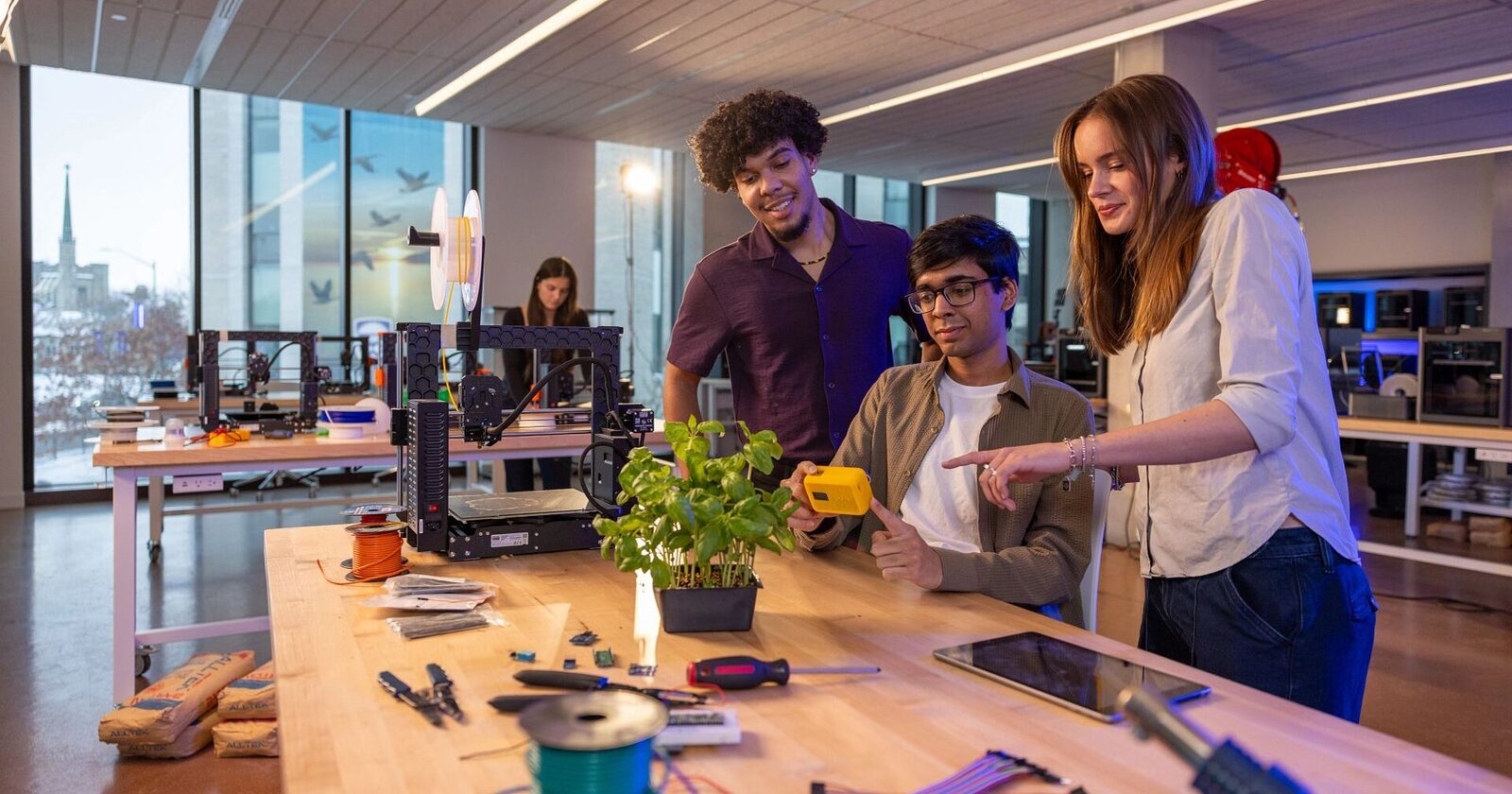
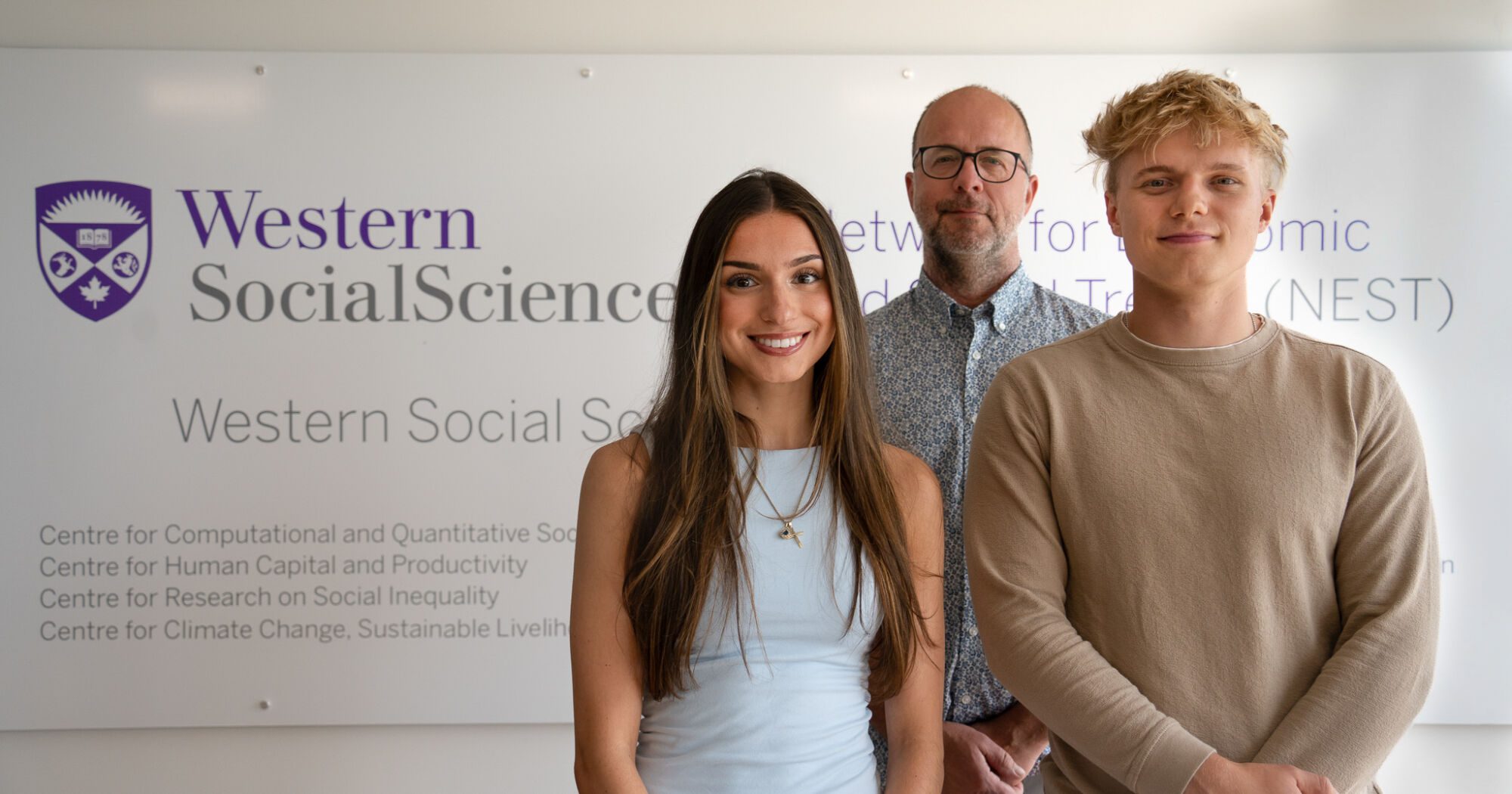
USRI students combat Canada's declining population. Official Western News image.

September 2026Western University109 stories

Alumni Digest

109 stories about how ideas, people and purpose move from Western into the world.

109 stories from Western University, in 9 chapters: alumni & people, health & medicine, science & technology and more.

USRI students combat Canada's declining population. Official Western News image. Photo: Western News / official source page

From the editors

An independent, source-linked alumni digest about public Western University updates. It is not an official Western University publication. Each brief keeps its source provenance in the editorial record. Scroll, search or open the contents rail.

Tools, clothing, travel and services selected for student and alumni life. Browse the issue’s Brand Partners:

The Alumni Digest desk

In this issue · 9 chapters

Chapter 01

Alumni & People

Graduates, mentors and the paths they took after campus.

11 stories

Tubist Jarrett McCourt joins the music Alumni Wall of Fame

The Western music graduate, now a tuba professor at UMKC, will receive his award at Brass Day 2027 because he could not attend Homecoming.

Jarrett McCourt holding a tuba against a dark backdrop
Arts & CultureJarrett McCourt, 2026 inductee to the music Alumni Wall of Fame.Photo: Western Alumni

Jarrett McCourt, who earned a Bachelor of Music in tuba performance at Western, is one of two 2026 inductees to the music Alumni Wall of Fame. The Alumni Awards Celebration at Homecoming was set for Saturday, September 26, 2026, but a scheduling conflict kept him from attending, so Western plans to present his award at Brass Day 2027.

McCourt teaches tuba and euphonium as an assistant professor at the UMKC Conservatory and is principal tuba of the Ann Arbor Symphony Orchestra. He was earlier principal tuba of the Winnipeg Symphony Orchestra and a Fellow of the New World Symphony. At short notice he joined the Berlin Philharmonic on its North American tour to play Mahler’s Seventh Symphony under Kirill Petrenko.

In 2014 he became the first tubist in the 80-year history of the Orchestre Symphonique de Montréal’s Standard Life Competition to win its brass category. His solo albums are Golden Hour (2022), Voyager (2024) and Onyx (2026). He also speaks about mental health for musicians and is a certified yoga instructor and crisis hotline worker.

Sources 1
  1. Original reporting · alumni.westernu.ca

Share this storyOpen as a single page →

Next · p.02Heather Cartwright, former Mustang rower, receives Western Alumni’s highest honourCartwright, BA’93, a coach, volunteer and donor for more than three decades, is the 2026 recipient of the Dr. Ivan Smith Award.
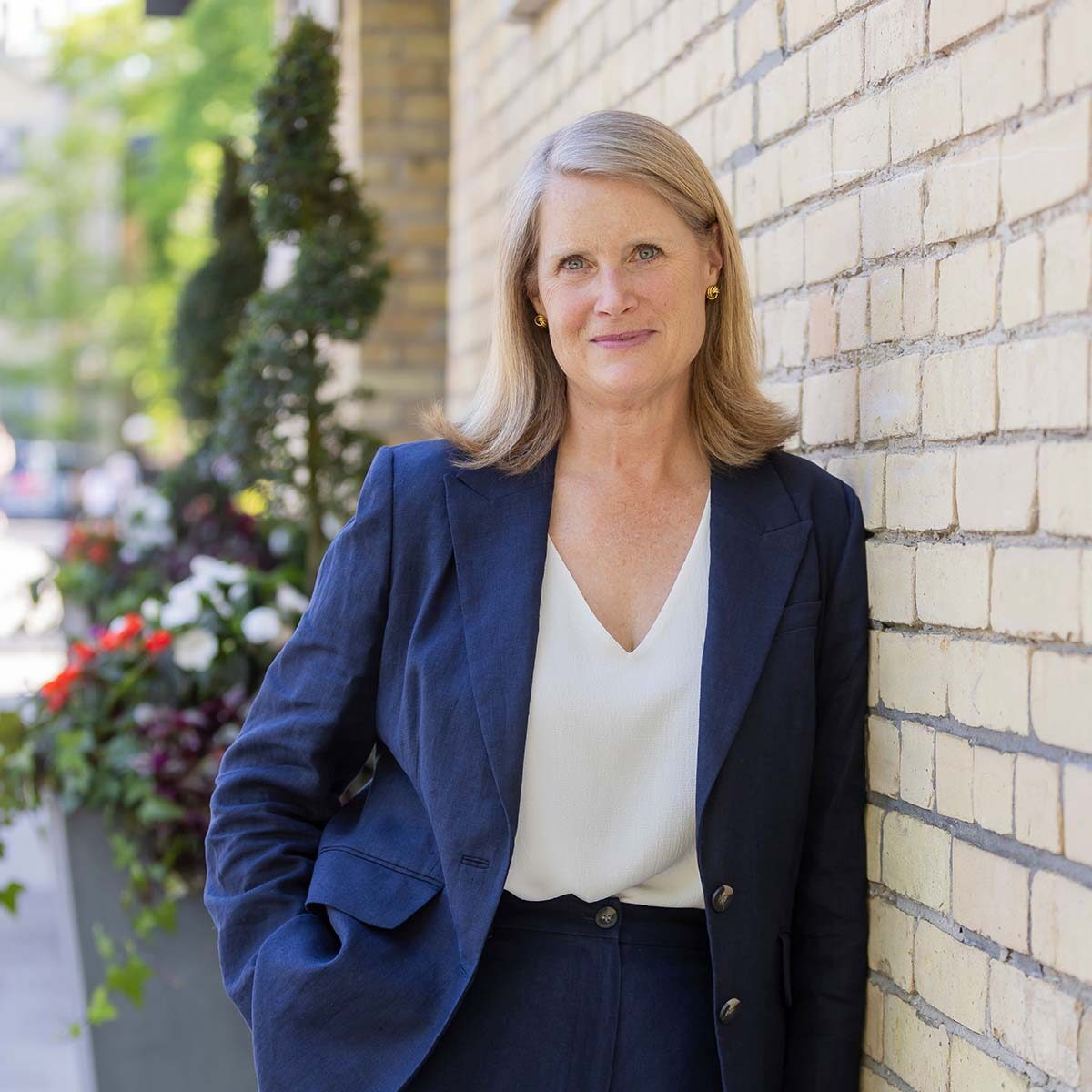


Heather Cartwright, former Mustang rower, receives Western Alumni’s highest honour

Cartwright, BA’93, a coach, volunteer and donor for more than three decades, is the 2026 recipient of the Dr. Ivan Smith Award.
Heather Cartwright in a navy blazer beside a pale brick wall
AlumniHeather Cartwright, BA’93.Photo: Western Alumni

Heather Cartwright, BA’93, has won the 2026 Dr. Ivan Smith Award, Western Alumni’s highest honour. She rowed for the Mustangs from 1988 to 1990 until a cardiac arrest during a race in 1990 led to a diagnosis of arrhythmogenic right ventricular cardiomyopathy, an inherited heart disease, and ended her competitive career.

She began coaching that year while still a student, leading the Western lightweight women’s team to wins at the Dad Vail Championships and the Ontario Athletic Championships. After ten years in technology sales and marketing she turned to full-time coaching in 2003, with posts at Princeton, Boston and Harvard universities.

Cartwright is president of the Old Oars Club, wrote the book Purple Reign: 60 Years of Western Crew, and helped set up the Great 8 Men’s Coaching Matching Fund in 2021. She and her family helped establish the Cartwright Inheritable Cardiomyopathy and Arrhythmia Project at the Peter Munk Cardiac Centre in Toronto, and she hosts the Canadian SADS Foundation podcast Let’s Talk SADS Live.

Sources 1
  1. Original reporting · alumni.westernu.ca

Share this storyOpen as a single page →

Next · p.03Olympic marketing chief Jacqueline Ryan wins the Arts & Humanities Alumni AwardRyan, an English and Film Studies graduate, leads brand and commercial work at the Canadian Olympic Committee and runs the Canadian Olympic Foundation.

Olympic marketing chief Jacqueline Ryan wins the Arts & Humanities Alumni Award

Ryan, an English and Film Studies graduate, leads brand and commercial work at the Canadian Olympic Committee and runs the Canadian Olympic Foundation.

Jacqueline Ryan smiling in a red top against a white background
AlumniJacqueline Ryan, 2026 Arts & Humanities Alumni Award of Excellence recipient.Photo: Western Alumni

Jacqueline Ryan has been named the 2026 recipient of the Faculty of Arts and Humanities Alumni Award of Excellence. A graduate of Western’s English and Film Studies program, she is Chief Brand and Commercial Officer of the Canadian Olympic Committee and chief executive of the Canadian Olympic Foundation.

In those roles she leads national partnerships, digital engagement, brand strategy and fundraising for Team Canada athletes. Earlier she held senior roles at Scotiabank and RBC, including work on the Scotiabank Arena naming rights partnership and RBC’s activation of the Vancouver 2010 Olympic and Paralympic Games.

The Canadian Marketing Association named her its 2024 Marketer of the Year. The faculty said the award would be presented at Western’s Homecoming in September 2026; the source page does not report how that ceremony went.

Sources 1
  1. Original reporting · alumni.westernu.ca

Share this storyOpen as a single page →

Next · p.04Jane Scholes, equity partner at Lerners LLP, receives the Young Alumni AwardScholes, HBA’15, JD’15, moved from Western’s dual Ivey and Law program to equity partner and has appeared before the Supreme Court of Canada.

Jane Scholes, equity partner at Lerners LLP, receives the Young Alumni Award

Scholes, HBA’15, JD’15, moved from Western’s dual Ivey and Law program to equity partner and has appeared before the Supreme Court of Canada.

Jane Scholes in a black cardigan against a grey backdrop
AlumniJane Scholes, HBA’15, JD’15.Photo: Western Alumni

Jane Scholes, HBA’15, JD’15, is the 2026 recipient of Western Alumni’s Young Alumni Award. She completed the dual honours business administration and juris doctor program at Ivey and the Faculty of Law, graduating in 2015 on the Dean’s Honour List in both and earning the Law Society of Upper Canada Prize for placing in the top 10 per cent of her class.
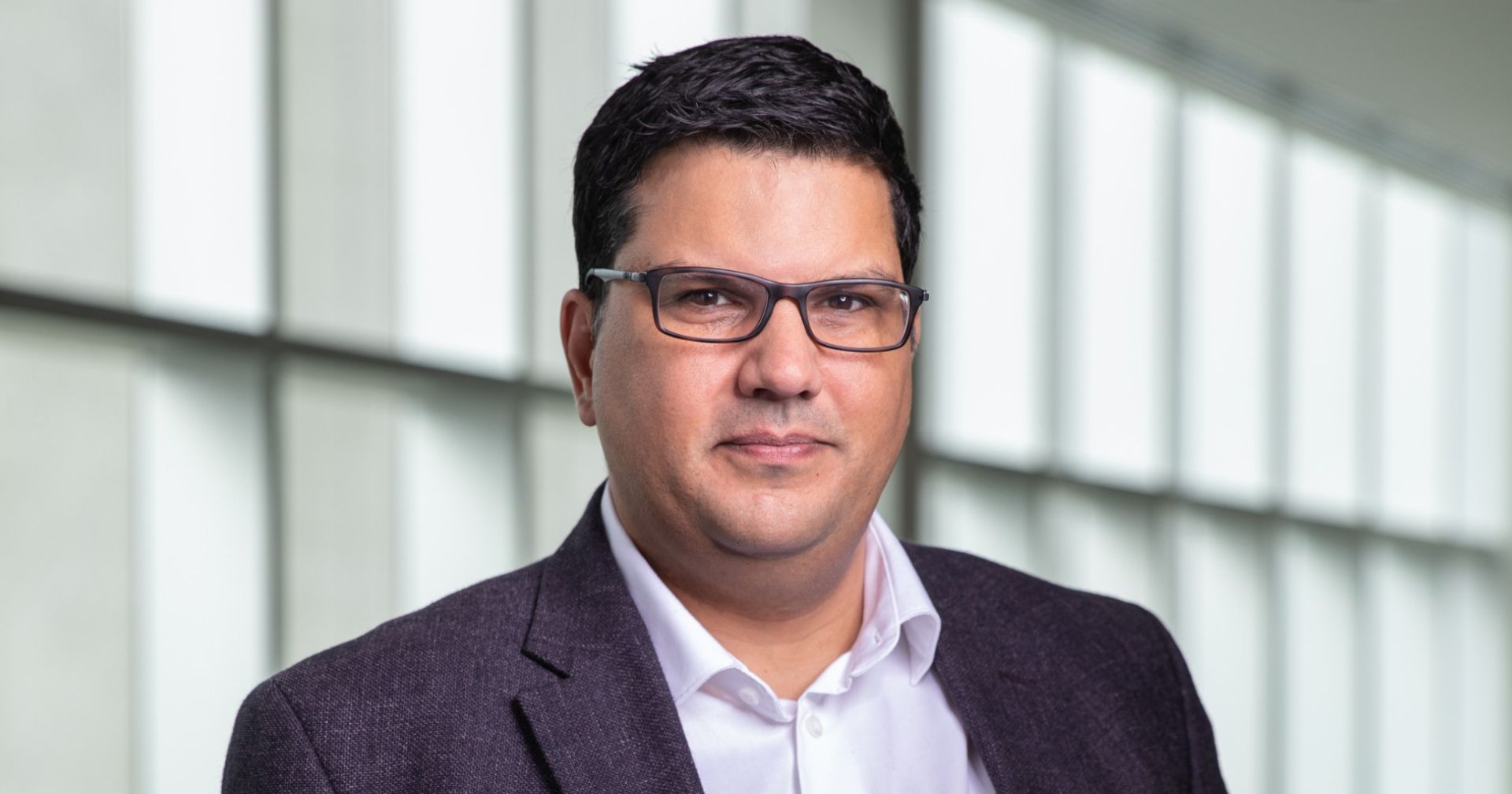
After training at Goodmans LLP in Toronto and being called to the Ontario Bar in 2016, she returned to London in 2018 to join Lerners LLP, where she is now an equity partner. Her practice covers disputes in education, health-care litigation and regulation, workplace matters and commercial cases. She has appeared at the Court of Appeal and the Supreme Court of Canada and is a certified workplace investigator.

Scholes sits on the board of the Grand Theatre, previously served on the board of 519Pursuit London, and mentors Western students as a guest lecturer, panelist and competition judge.

Sources 1
  1. Original reporting · alumni.westernu.ca

Share this storyOpen as a single page →

Next · p.05Librarian Mary Ann Mavrinac wins the FIMS Alumni Award of ExcellenceMavrinac, MLS’84, dean emeritus of the University of Rochester Libraries, was chosen by a committee of students, faculty, staff and alumni.

Librarian Mary Ann Mavrinac wins the FIMS Alumni Award of Excellence

Mavrinac, MLS’84, dean emeritus of the University of Rochester Libraries, was chosen by a committee of students, faculty, staff and alumni.

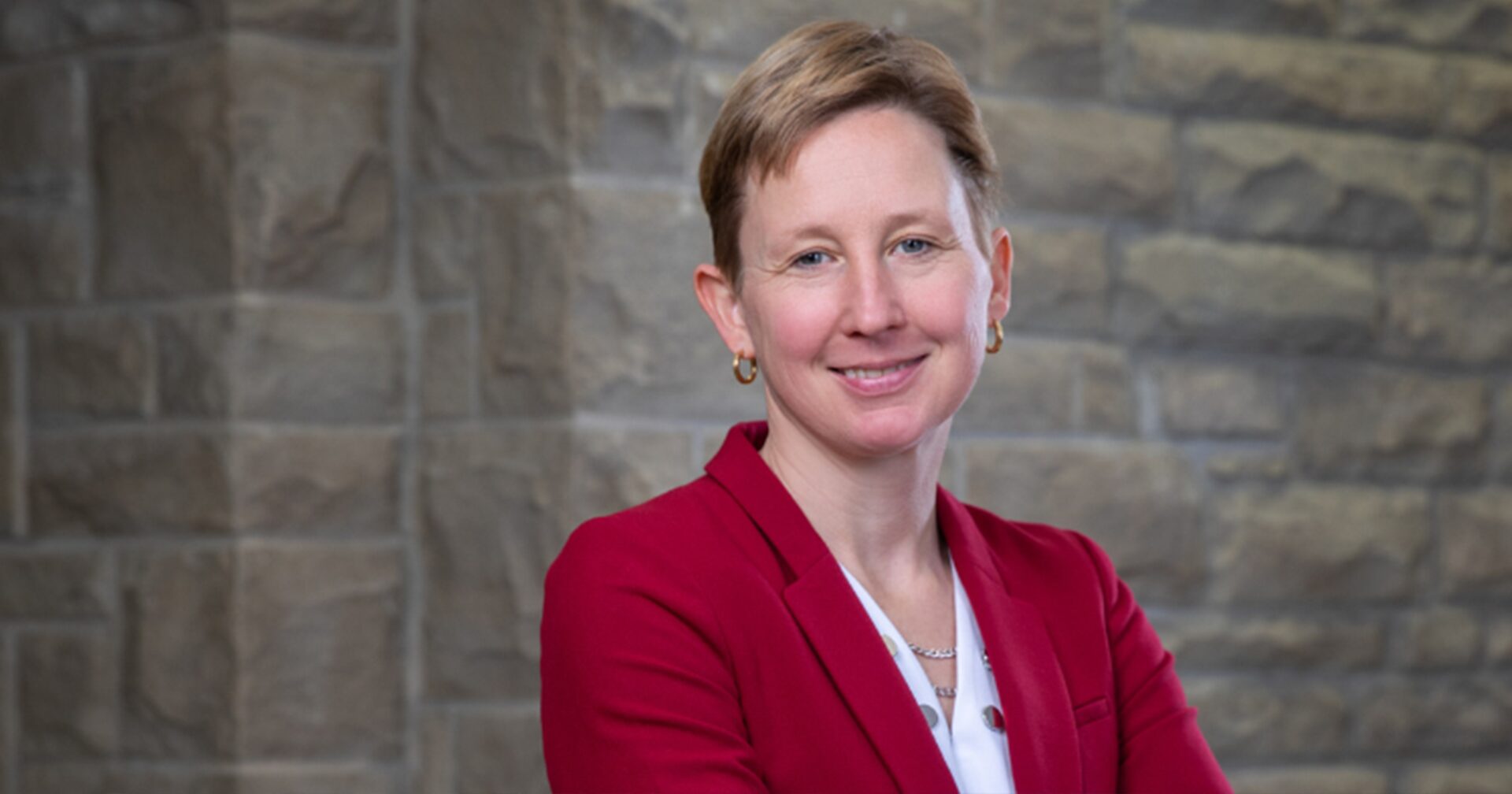
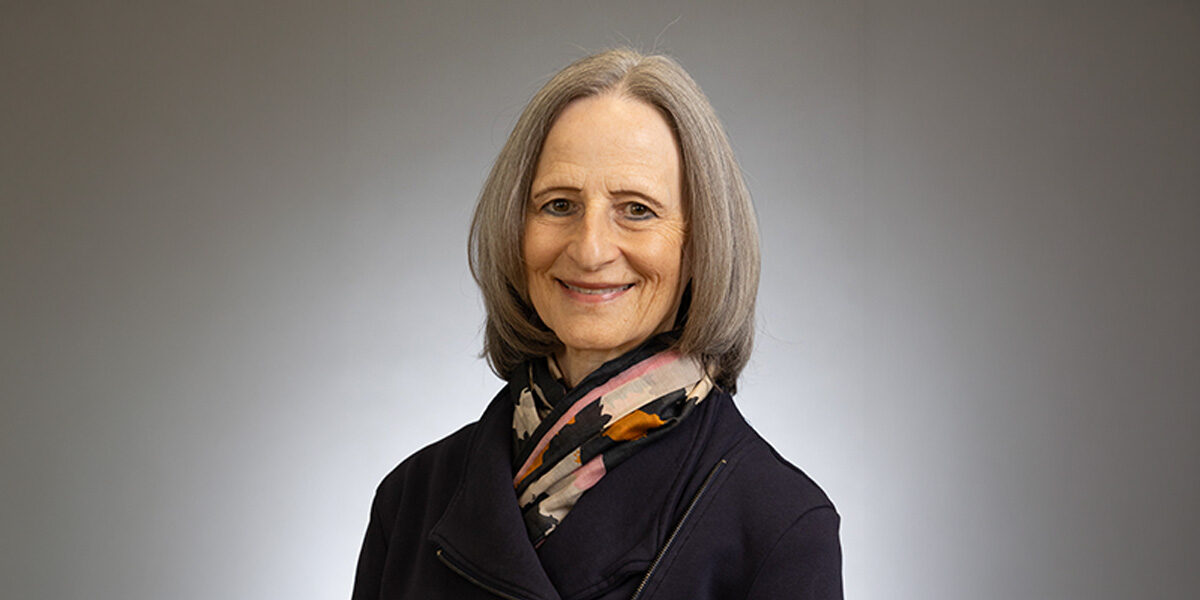
Mary Ann Mavrinac in a dark coat and patterned scarf
AlumniMary Ann Mavrinac, MLS’84.Photo: Faculty of Information and Media Studies, via Western Alumni

Dr. Mary Ann Mavrinac, MLS’84, has been named the 2026 winner of the FIMS Alumni Award of Excellence by Western’s Faculty of Information and Media Studies. She is dean emeritus of the University of Rochester Libraries, where she was Vice Provost and Dean until 2022.

Before Rochester she was Chief Librarian at the University of Toronto Mississauga from 2001 to 2012, and earlier she headed Western’s D.B. Weldon Library from 1999 to 2001. Her Western ties go back to 1983, when she began her Master of Library Science.

A committee of FIMS students, faculty, staff and alumni chose her from a competitive pool. Her work centres on libraries as places, including Rochester’s Evans Lam Square and Barbara J. Burger iZone, the Hazel McCallion Academic Learning Centre in Mississauga, and a $500,000 redesign of the children’s department at the Teck Centennial Public Library in Kirkland Lake. She has led both the Association of Research Libraries and the Ontario Library Association as president.

Sources 1
  1. Original reporting · alumni.westernu.ca

Share this storyOpen as a single page →

Next · p.06Natasha Burke, a TD risk analytics leader, receives the Western Science Alumni AwardBurke, PhD’12, is honoured for work in quantitative finance and for mentoring women toward senior roles in a field where they remain scarce.

Natasha Burke, a TD risk analytics leader, receives the Western Science Alumni Award

Burke, PhD’12, is honoured for work in quantitative finance and for mentoring women toward senior roles in a field where they remain scarce.

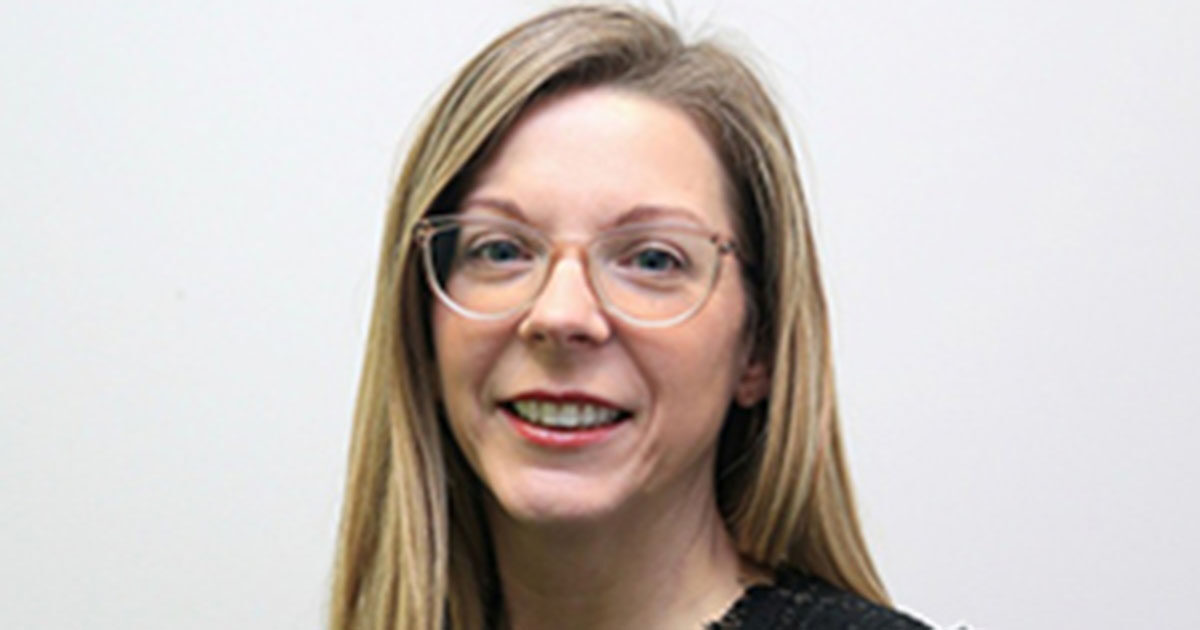
Natasha Burke smiling, wearing glasses, against a white background
AlumniNatasha Burke, PhD’12.Photo: Western Science, via Western Alumni

Natasha Burke, PhD’12, has received the 2026 Western Science Alumni Award of Achievement for her work in quantitative finance and her efforts to support women in finance leadership. She did her MSc at Memorial University in her home province of Newfoundland, then chose Western for her PhD in applied mathematics because of the people.

She is Vice President, Counterparty Risk Analytics at TD, where she has worked for more than 10 years and moved through increasingly senior roles. Her work focuses on understanding risk and setting controls, governance and boundaries with trading partners.

Burke mentors dozens of people, including women at senior-manager level preparing for executive roles, because women remain underrepresented in senior quantitative finance, risk and analytics positions. Her other recognition includes the TD Corporate League of Excellence and the TD IMPACT program.

Sources 1
  1. Original reporting · alumni.westernu.ca

Share this storyOpen as a single page →

Next · p.07Educator and author Rhodora Meliton-Vanderpool receives the Community Service AwardThe Toronto teacher, BA’98 and BEd’99, has served Rexdale students for more than 25 years and hosts The Class Act Podcast.

Educator and author Rhodora Meliton-Vanderpool receives the Community Service Award

The Toronto teacher, BA’98 and BEd’99, has served Rexdale students for more than 25 years and hosts The Class Act Podcast.

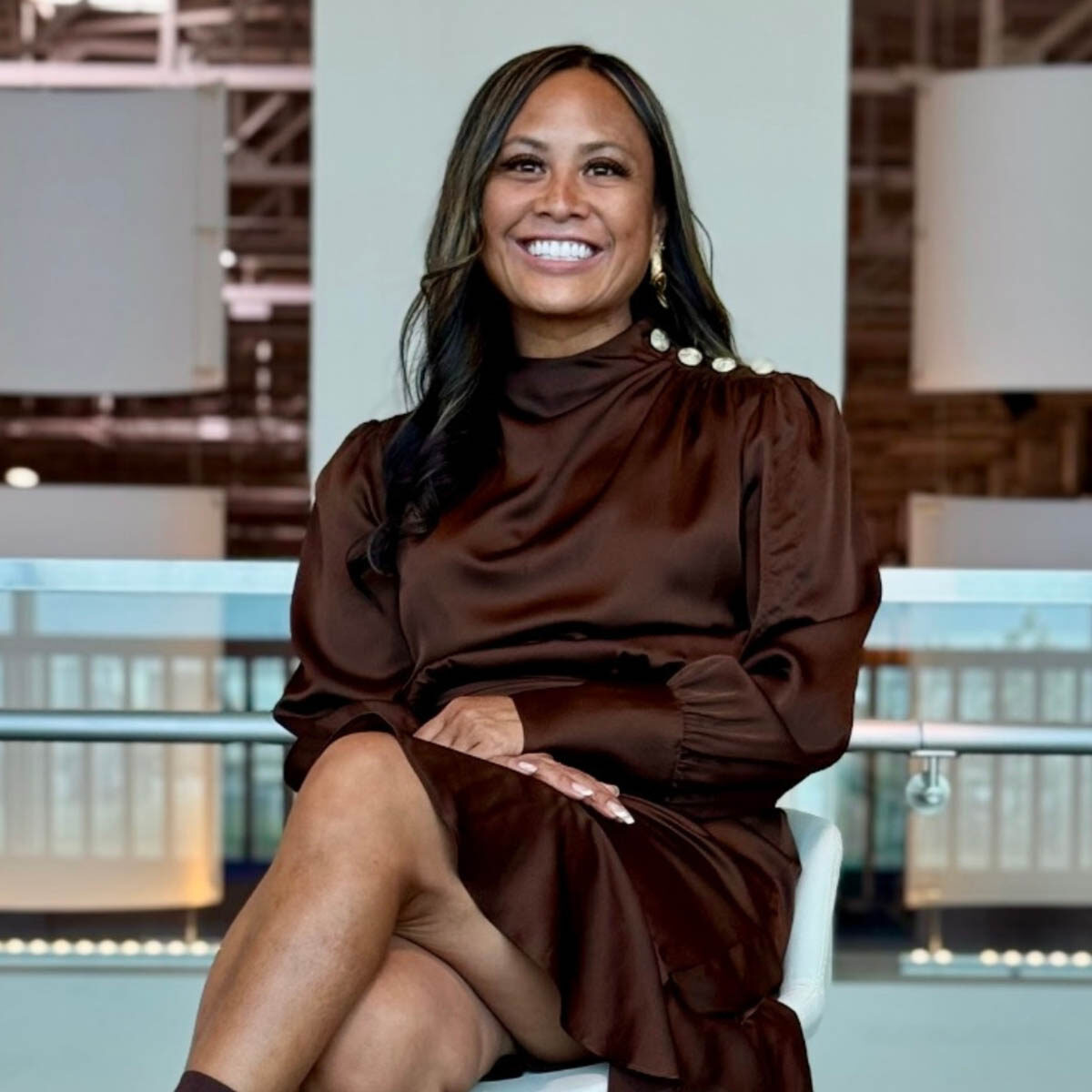
Rhodora Meliton-Vanderpool seated in a brown dress in a modern atrium
AlumniRhodora Meliton-Vanderpool, BA’98, BEd’99.Photo: Western Alumni

Rhodora Meliton-Vanderpool, BA’98, BEd’99, is the 2026 recipient of Western Alumni’s Community Service Award. She has spent more than 25 years serving students and families in Toronto’s Rexdale neighbourhood, and has taught every grade from kindergarten to grade eight with the Toronto Catholic District School Board.
Music runs through her work. She sits on the board of Women in Music Canada and is host and executive producer of The Class Act Podcast. During the pandemic she created Learning with Mrs. Vanderschool, a television program for students and families that was recognized by the National Film Board of Canada, where she also served on its education and media advisory board.

She co-wrote the children’s book Stick to Your Vision: Young Maestro Goes to School with Juno Award-winning artist Wes “Maestro” Williams, and a second book, Ajay’s Dreams, with Juno-nominated artist DJ Charlie B. At Western she serves on the education advisory council and mentors current education students.

Sources 1
  1. Original reporting · alumni.westernu.ca

Share this storyOpen as a single page →

Next · p.08Max Von Muehldorfer takes his Mustangs football career to the StampedersThe criminology graduate and national-level weightlifter credits donor-funded awards for helping him reach the CFL with his hometown team.

Max Von Muehldorfer takes his Mustangs football career to the Stampeders

The criminology graduate and national-level weightlifter credits donor-funded awards for helping him reach the CFL with his hometown team.

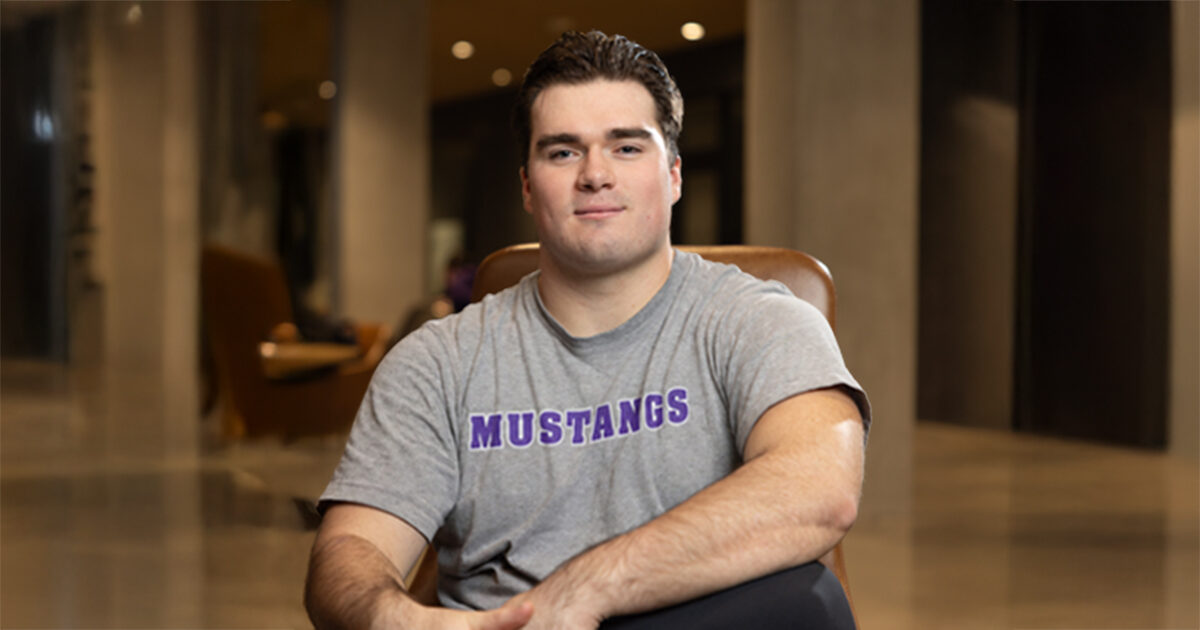
Max Von Muehldorfer seated in a Mustangs T-shirt in a hallway
SportMax Von Muehldorfer, BA’25.Photo: Western Alumni

Max Von Muehldorfer, BA’25, an Academic All-Canadian defensive lineman, was selected by the Calgary Stampeders in the 2025 CFL draft, which brought him back to his hometown. He helped the Mustangs win the 2021 Vanier Cup, and he called the draft pick “a childhood dream come true.”

Away from football he is among the most accomplished national weightlifters of his age group in Canadian history. He won gold at the 2023 Junior Pan Am Games, is a four-time junior national champion and holds the third-heaviest clean-and-jerk ever recorded in the country, at 430 pounds.

He studied criminology at Western, and the story, published through Western Alumni, credits donor-funded awards with easing financial pressure so he could focus on school and sport. He says he wants to give back to future Mustangs through mentorship, coaching and donations.

Sources 1
  1. Original reporting · alumni.westernu.ca

Share this storyOpen as a single page →

Next · p.09Margaret Atwood gives $1 million to Western for a bird research chair in Graeme Gibson’s nameThe gift honours Gibson, a Western arts alumnus (BA’58) and naturalist, and will place a new avian biology chair in the biology department.

Margaret Atwood gives $1 million to Western for a bird research chair in Graeme Gibson’s name

The gift honours Gibson, a Western arts alumnus (BA’58) and naturalist, and will place a new avian biology chair in the biology department.

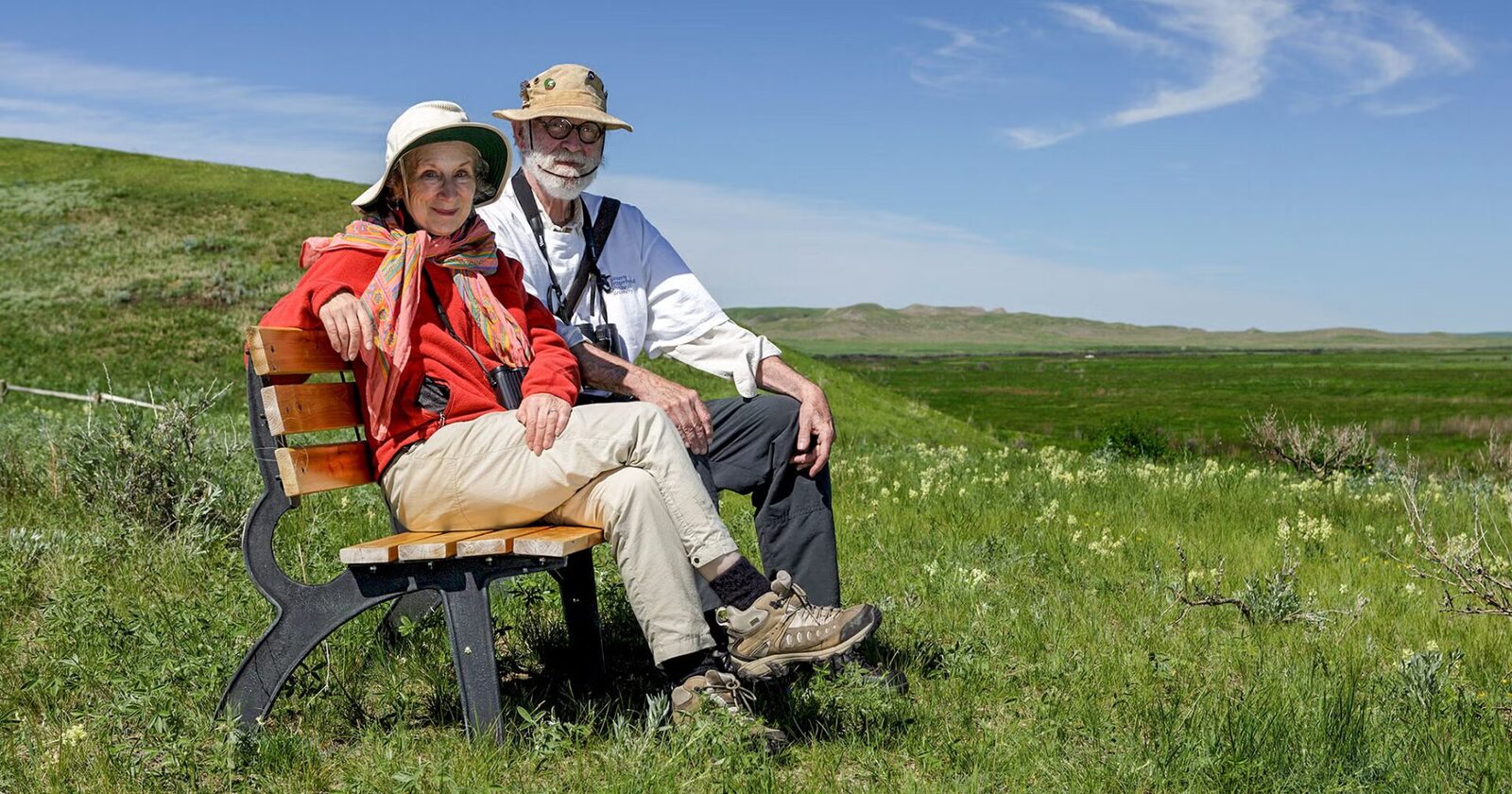
A woman and a man in sun hats seated on a bench in open grassland
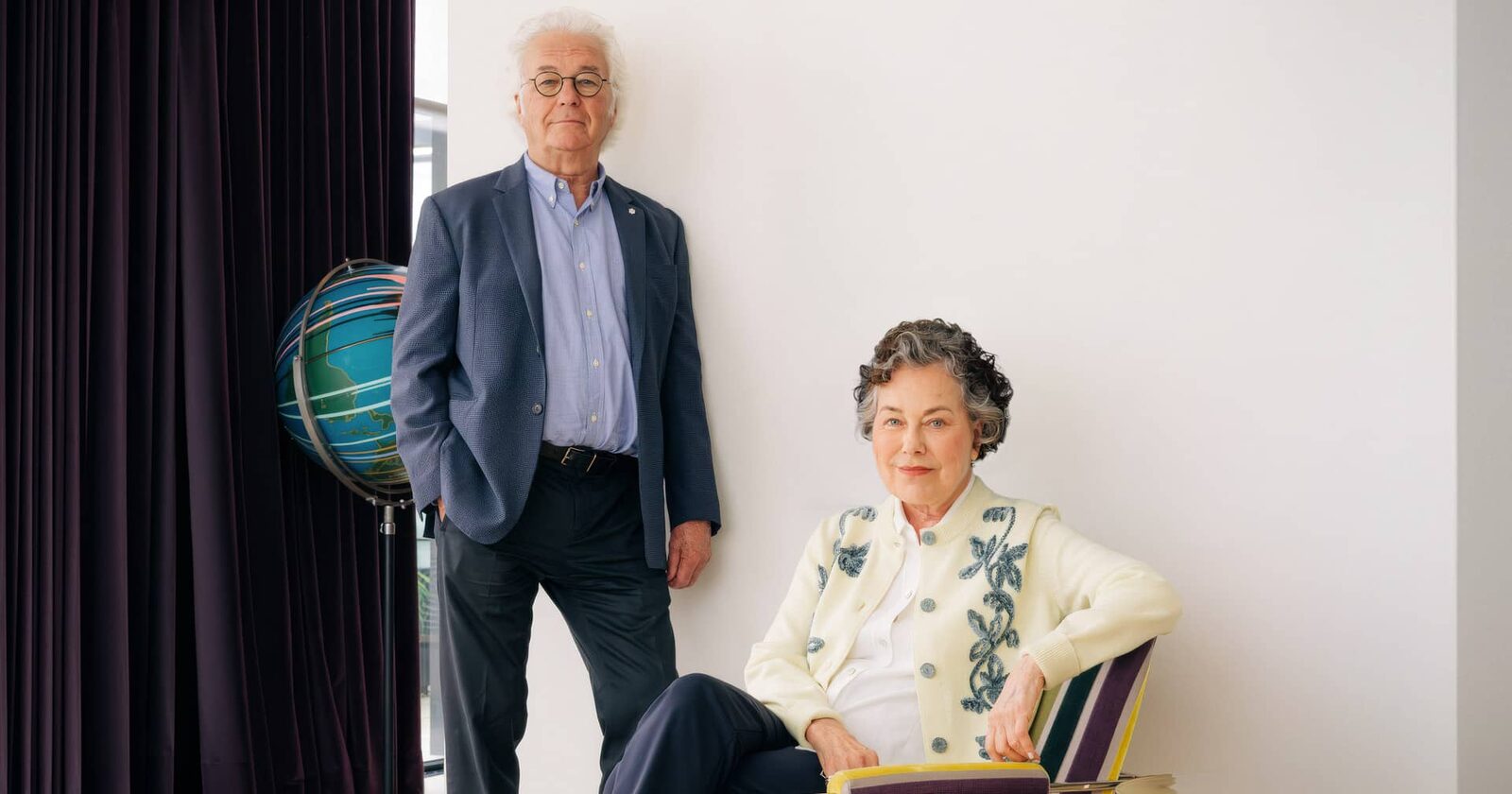
ResearchMargaret Atwood and Graeme Gibson, as shown with the Western News story.Photo: Western News

Margaret Atwood has given $1 million to Western to create the Graeme Gibson Chair in Avian Biology in memory of her partner. Gibson, a writer and lifelong naturalist who earned a Western arts degree (BA’58), died in 2019 at 85. The chair is meant to deepen understanding of how birds move, behave and adapt in a changing environment.

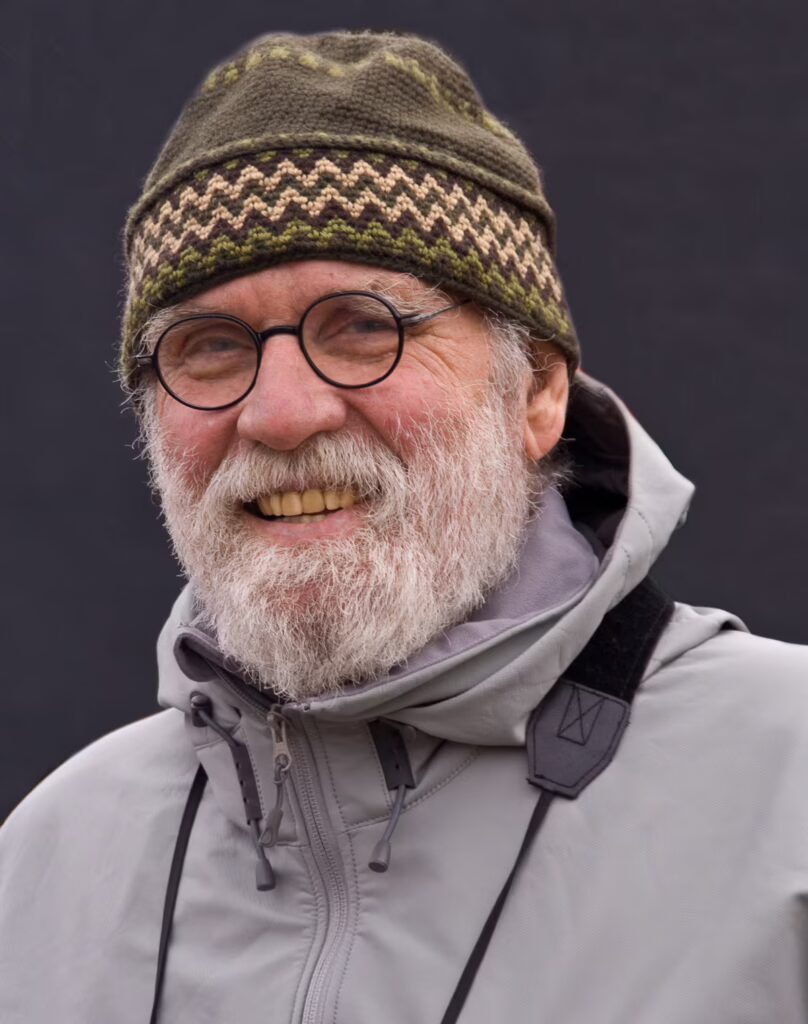
Graeme Gibson in a knit cap and glasses outdoors
ResearchGraeme Gibson.Photo: Penguin Random House, via Western News

Once appointed, the chairholder will join the biology department in the Faculty of Science and the Centre for Animals on the Move, with access to the Advanced Facility for Avian Research. That facility houses the world’s only hypobaric climatic wind tunnel designed for bird flight. Atwood pointed to its link with the Pelee Island Bird Observatory, which she and Gibson co-founded in 2003.

Gibson wrote The Bedside Book of Birds and four novels, and his debut, Five Legs, drew on his own student days at Western. He joined the Order of Canada in 1992 and shared the Royal Canadian Geographical Society’s 2015 Gold Medal with Atwood. She said simply, “Graeme would be very pleased.”

Sources 1
  1. Original reporting · news.westernu.ca

Share this storyOpen as a single page →

Next · p.10Western graduates help build the Toronto Tempo, Canada’s first WNBA teamAlumni hold roles from general counsel to finance and sales, and an Ivey student landed the team’s first internship.

Western graduates help build the Toronto Tempo, Canada’s first WNBA team

Alumni hold roles from general counsel to finance and sales, and an Ivey student landed the team’s first internship.

Players celebrate together on a basketball court in front of a crowd
SportThe Toronto Tempo’s first season ends in late September.Photo: Getty Images, via Western News

Many Western graduates were part of the Toronto Tempo before the first ball was thrown. Karisma Sharma, BMOS’19, is manager of human resources, and Patrick Lee, BMOS’07, is chief financial officer. Sukhinder Singh Cassidy, HBA’92, LLD’26, is part of the ownership group. Aaron Barrett, JD’20, is general counsel and helped secure the expansion agreement in 2024, and Amy Kong, HBA’24, works in premium sales and service.

Esra Osman, a fourth-year Ivey student, won the team’s first internship after three rounds, working in business operations to promote the Tempo in local communities. Barrett says it became clear only about six weeks before the season that a team would take the court, and the roster was set 30 days before the first game.

The Tempo season wraps up at the end of September. Barrett said Tempo fans stay on their feet even when the team is down 20 points.

Sources 1
  1. Original reporting · news.westernu.ca

Share this storyOpen as a single page →

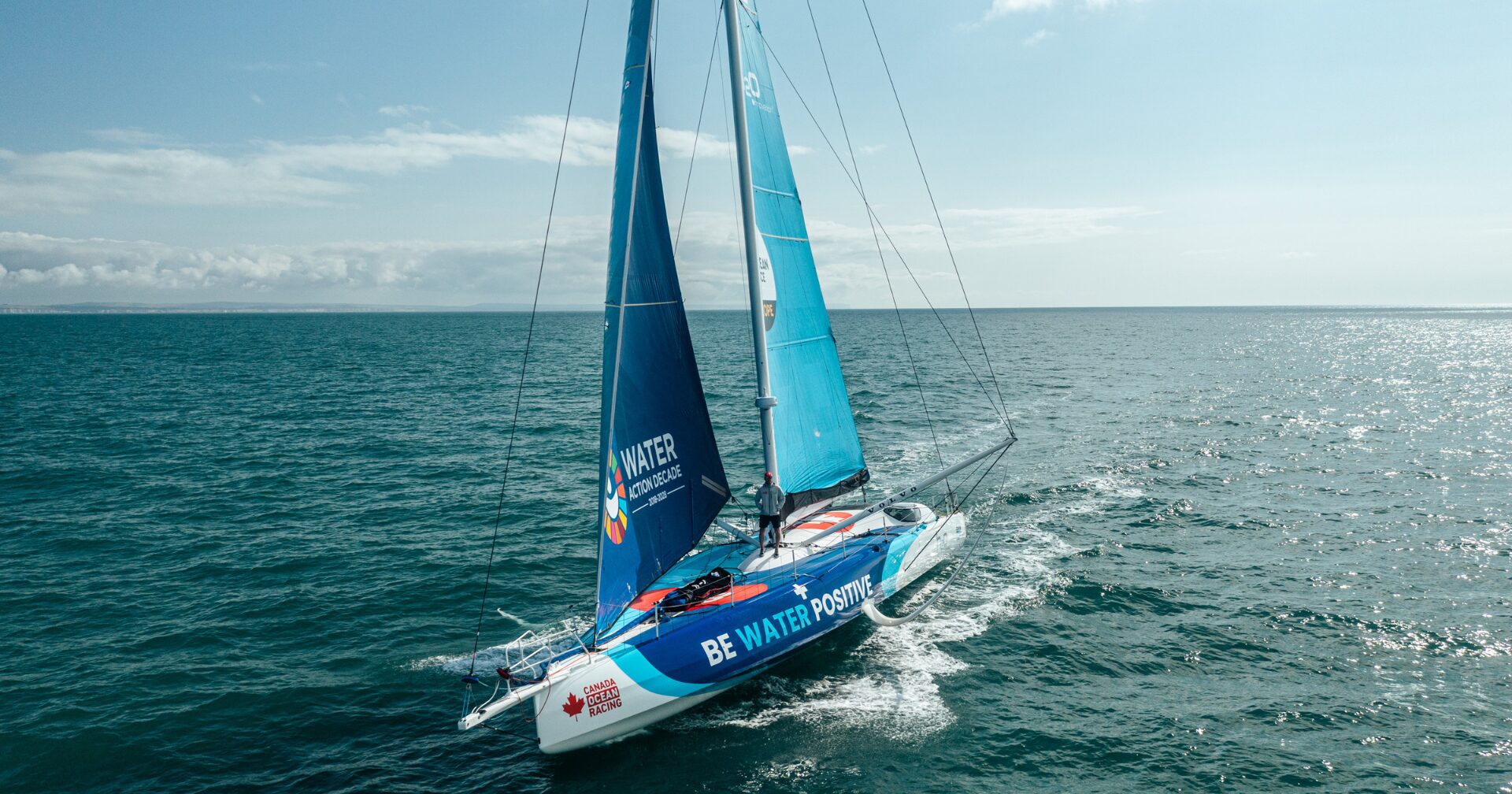
Next · p.11Western alum Scott Shawyer eyesWestern alumnus Scott Shawyer is training for the 2028 Vendée Globe, aiming to be the first Canadian to finish the solo, non-stop race around the world.

Western alum Scott Shawyer eyes

Western alumnus Scott Shawyer is training for the 2028 Vendée Globe, aiming to be the first Canadian to finish the solo, non-stop race around the world.

Western alum Scott Shawyer eyes. Official Western News image.
Ideas & societyWestern alum Scott Shawyer eyes. Official Western News image.Photo: Western News / official source page

Scott Shawyer, BA’94, BESc’96, decided to try the Vendée Globe after watching the 2020 start online during the pandemic. The race is a solo, non-stop sail around the world with no stops or outside help, and finishing takes roughly 80 days. He aims to become the first Canadian to complete it.

Canada’s record in the race is thin. Gerry Roufs attempted it in 1996 and never came home, and Derek Hatfield retired after a knockdown in the Southern Ocean. Shawyer is more than halfway to the 2028 start. He has learned to foil on carbon fibre boats that reach speeds up to forty knots, and he taught himself meteorology. He says his engineering training helps with the constant trade-offs in sail trim, ballast and keel angle.

His preparation includes a mental performance coach and a man who rowed from Hawaii to Australia. He is learning to sleep in short cycles.

His team, Canada Ocean Racing, also carries a Be Water Positive message on its boat, calling for technology that returns water to a higher quality than it was taken.

Sources 1
  1. Original reporting · news.westernu.ca

Share this storyOpen as a single page →

Next · p.12Electric fields offer new hope against aggressive brain cancerWestern researchers report that rotating electric fields slowed glioblastoma growth in rats, a step toward a first-in-human trial of a therapy that began in a Schulich lab.

Chapter 02

Health & Medicine

Care, clinics and the research behind them.

16 stories

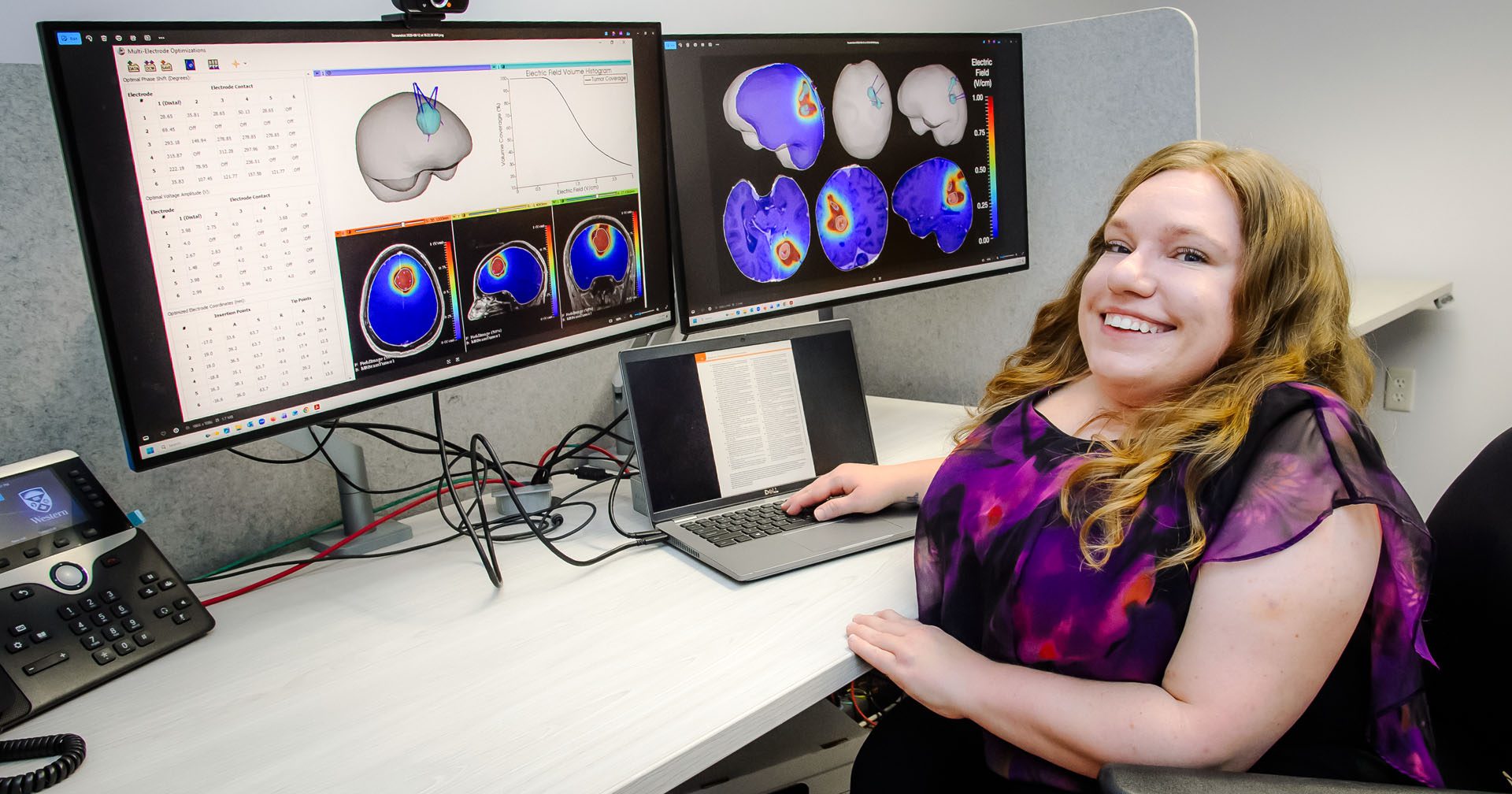
Electric fields offer new hope against aggressive brain cancer

Western researchers report that rotating electric fields slowed glioblastoma growth in rats, a step toward a first-in-human trial of a therapy that began in a Schulich lab.

Electric fields offer new hope against aggressive brain cancer. Official Western News image.
Medicine & healthElectric fields offer new hope against aggressive brain cancer. Official Western News image.Photo: Western News / official source page

Dr. Matthew Hebb, a neurosurgery professor at Schulich Medicine & Dentistry, began this work more than a decade ago. He wondered whether the electrodes used for deep brain stimulation in Parkinson’s disease could act on brain cancer, and tumour samples he stimulated in his lab responded. That led to Intratumoral Modulation Therapy, or IMT.

A new study in Neuro-Oncology Advances, first authored by postdoctoral researcher Erin Iredale, tested the approach in rats. Three electrodes around a glioblastoma tumour shifted their signal phase to create an electric field that rotates over time. After seven days, the team measured an eight-fold reduction in tumour growth by bioluminescence and a five-fold reduction in volume on MRI, with no neurological adverse effects.

Iredale joined the project in 2016 as an undergraduate. She built a treatment-planning system meant to help physicians decide where electrodes should go for each patient. With current treatments, glioblastoma patients have a median survival of just over a year.

The team is developing a prototype aimed at a first-in-human clinical trial. Iredale hopes an initial trial could happen in five to 10 years.

Sources 1
  1. Original reporting · news.westernu.ca

Share this storyOpen as a single page →

Next · p.13Ultra-processed foods linked to cardiovascular diseaseSchulich’s Dr. Saverio Stranges co-authored a European Heart Journal consensus paper on ultra-processed foods and heart health, and explains what clinicians and policymakers can do.

Ultra-processed foods linked to cardiovascular disease

Schulich’s Dr. Saverio Stranges co-authored a European Heart Journal consensus paper on ultra-processed foods and heart health, and explains what clinicians and policymakers can do.

Ultra-processed foods linked to cardiovascular disease. Official Western News image.
Medicine & healthUltra-processed foods linked to cardiovascular disease. Official Western News image.Photo: Western News / official source page

Dr. Saverio Stranges, a public health physician and epidemiologist at Schulich Medicine & Dentistry, co-authored a clinical consensus paper in the European Heart Journal on ultra-processed foods and cardiovascular health. The European Society of Cardiology brought together international experts to review the evidence and give clinicians practical guidance.

Stranges says large prospective studies link higher intake with greater risk of cardiovascular disease, hypertension, stroke, heart failure and diabetes. One study of more than 105,000 adults found that each 10 per cent increase in intake was associated with a 12 per cent higher cardiovascular risk. He cautions that diet is one factor alongside sleep, activity, genetics and age.

He does not call for avoiding all processed food, since some processing aids preservation and safety, but for less reliance on ultra-processed products. He notes that families with limited money may lean on them because they are cheaper and easier to get.

Stranges says primary care rarely raises the topic. He wants better food labelling, stronger nutrition education and policies that make healthier foods easier to choose.

Sources 1
  1. Original reporting · news.westernu.ca

Share this storyOpen as a single page →

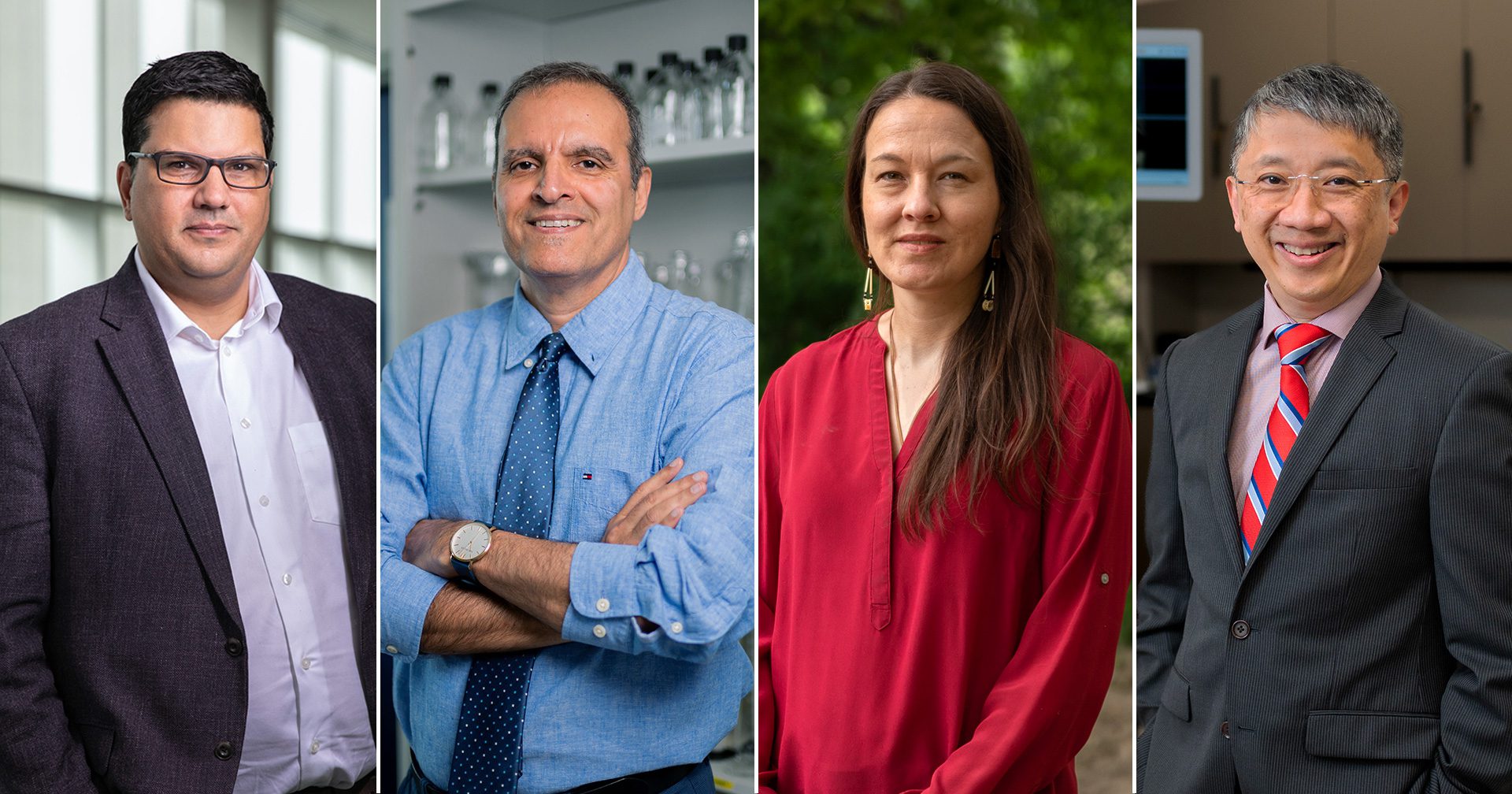
Next · p.14Health research with a longer horizonWestern scholars recognized as Canadian Academy of Health Sciences Fellows represent different routes into better care and public health.

Health research with a longer horizon

Western scholars recognized as Canadian Academy of Health Sciences Fellows represent different routes into better care and public health.

CAHS Fellows at Western University top health researchers. Official Western News image.
Medicine & healthCAHS Fellows at Western University top health researchers. Official Western News image.Photo: Western News / official source page

Health advances rarely come from one discipline acting alone. The Western fellows bring different expertise into a national conversation about evidence, care and the conditions that let people live well.

Their recognition also gives students a visible picture of what a research career can look like when its audience includes patients, communities and policy-makers.

Sources 1
  1. Original reporting · news.westernu.ca

Share this storyOpen as a single page →

Next · p.15Isis So wins Canadian Medical Hall of Fame AwardSchulich MD/PhD student Isis So is one of 15 students across Canada to receive the Canadian Medical Hall of Fame Award for Medical Students.

Isis So wins Canadian Medical Hall of Fame Award

Schulich MD/PhD student Isis So is one of 15 students across Canada to receive the Canadian Medical Hall of Fame Award for Medical Students.

Isis So wins Canadian Medical Hall of Fame Award. Official Western News image.
Medicine & healthIsis So wins Canadian Medical Hall of Fame Award. Official Western News image.Photo: Western News / official source page
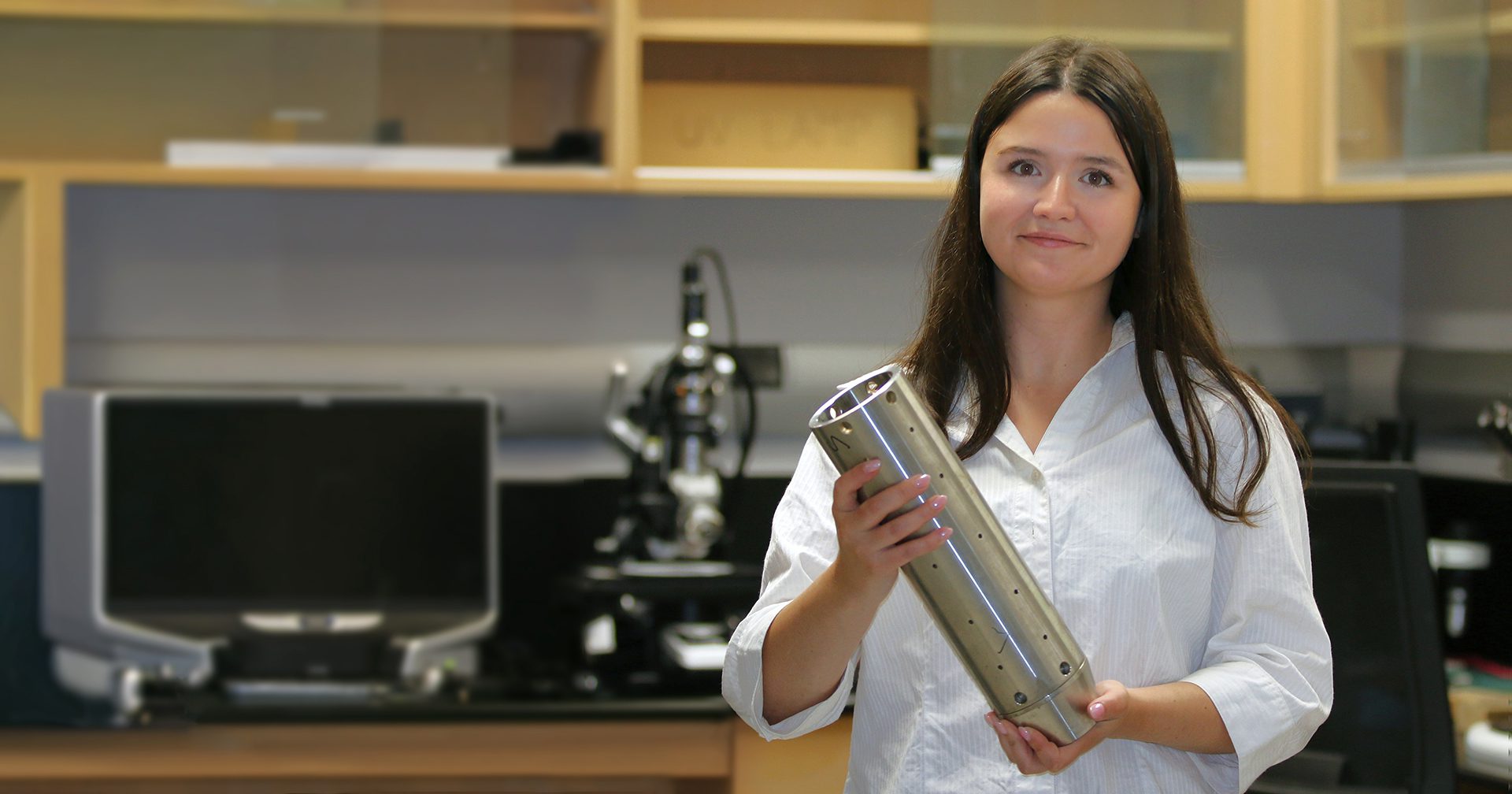
Isis So, an MD/PhD student at Schulich Medicine & Dentistry, is one of 15 students across Canada receiving this year’s Canadian Medical Hall of Fame Award for Medical Students. She plans a career that combines patient care with research.

So grew up in Toronto, where her parents are immigrants from Hong Kong. She earned HBSc and MSc degrees at the University of Toronto, with master’s research on traumatic brain injury. A serious bout of pneumonia at age eight first pointed her toward medicine, and undergraduate research steered her toward clinical neuroimaging, neurological disorders and brain injury.

Mentorship has shaped her path, including U of T’s Community of Support program, which offers free MCAT preparation and guidance to students underrepresented in medicine. At Western she works with a similar student-run organization.

So wants to become a neurologist who treats patients and also researches neurodegeneration, and she hopes to help move the field closer to a cure.

Sources 1
  1. Original reporting · news.westernu.ca

Share this storyOpen as a single page →

Next · p.16Expert explainer: Strategies to improve childhood vaccination uptakePhD candidate Meron Mengistu reviewed strategies for raising childhood vaccination rates worldwide and found that no single approach worked the same in every setting.

Expert explainer: Strategies to improve childhood vaccination uptake

PhD candidate Meron Mengistu reviewed strategies for raising childhood vaccination rates worldwide and found that no single approach worked the same in every setting.

Expert explainer: Strategies to improve childhood vaccination uptake. Official Western News image.
Medicine & healthExpert explainer: Strategies to improve childhood vaccination uptake. Official Western News image.Photo: Western News / official source page

Meron Mengistu, a health and rehabilitation sciences PhD candidate in Western’s Faculty of Health Sciences, studies how to raise childhood vaccination rates. She told Western News that reasons children miss shots overlap, from long distances and cost to misinformation, mistrust, clinic stock-outs and conflict.

She notes that about 85 per cent of infants worldwide received all three DTP doses in the latest 2025 estimates, against a global target of at least 90 per cent. About 13.5 million children were classed as zero-dose.

Her review grouped strategies by where they act: demand, service delivery, system and multi-level. In Saskatoon, telephone reminders raised MMR coverage from 67.4 to 74 per cent. Cash incentives gave small but consistent gains, though only two countries supplied evidence.

Mengistu’s current study in East Africa is looking at digital tools, such as a Kenyan rumour-tracking tool for social media. Her main message is to match each strategy to local needs rather than copy one intervention.

Sources 1
  1. Original reporting · news.westernu.ca

Share this storyOpen as a single page →

Next · p.17Alumni couple invest in precision cancer care, traineesWestern law alumni Marlene McGrath and Graham Porter gave $1.3 million to fund a preclinical scanner and trainees in London’s molecular imaging and cancer theranostics program.

Alumni couple invest in precision cancer care, trainees

Western law alumni Marlene McGrath and Graham Porter gave $1.3 million to fund a preclinical scanner and trainees in London’s molecular imaging and cancer theranostics program.

Alumni couple invest in precision cancer care, trainees. Official Western News image.
Medicine & healthAlumni couple invest in precision cancer care, trainees. Official Western News image.Photo: Western News / official source page

Marlene McGrath, LLB’86, and Graham Porter, BA’86, LLB’89, have donated $1.3 million to a joint Western and St. Joseph’s Health Care London initiative in molecular imaging and theranostics, a field that pairs advanced diagnostics with targeted cancer therapies.

The gift buys a tri-modality SPECT/CT/PET scanner at St. Joseph’s Lawson Research Institute. Researchers can use it to track how experimental therapies behave in the body during preclinical work, a step that was missing before clinical trials could proceed. It also created the McGrath Porter Fund for Molecular Imaging and Theranostics Trainees, which will help recruit graduate and postdoctoral scholars to John Ronald’s lab at Schulich.

McGrath retired from 3M as senior vice-president, human resources, in 2018 and chairs Western’s Board of Governors. Porter is a retired Lerners LLP partner and a past chair of the St. Joseph’s hospital board. He has twice been treated for cancer.
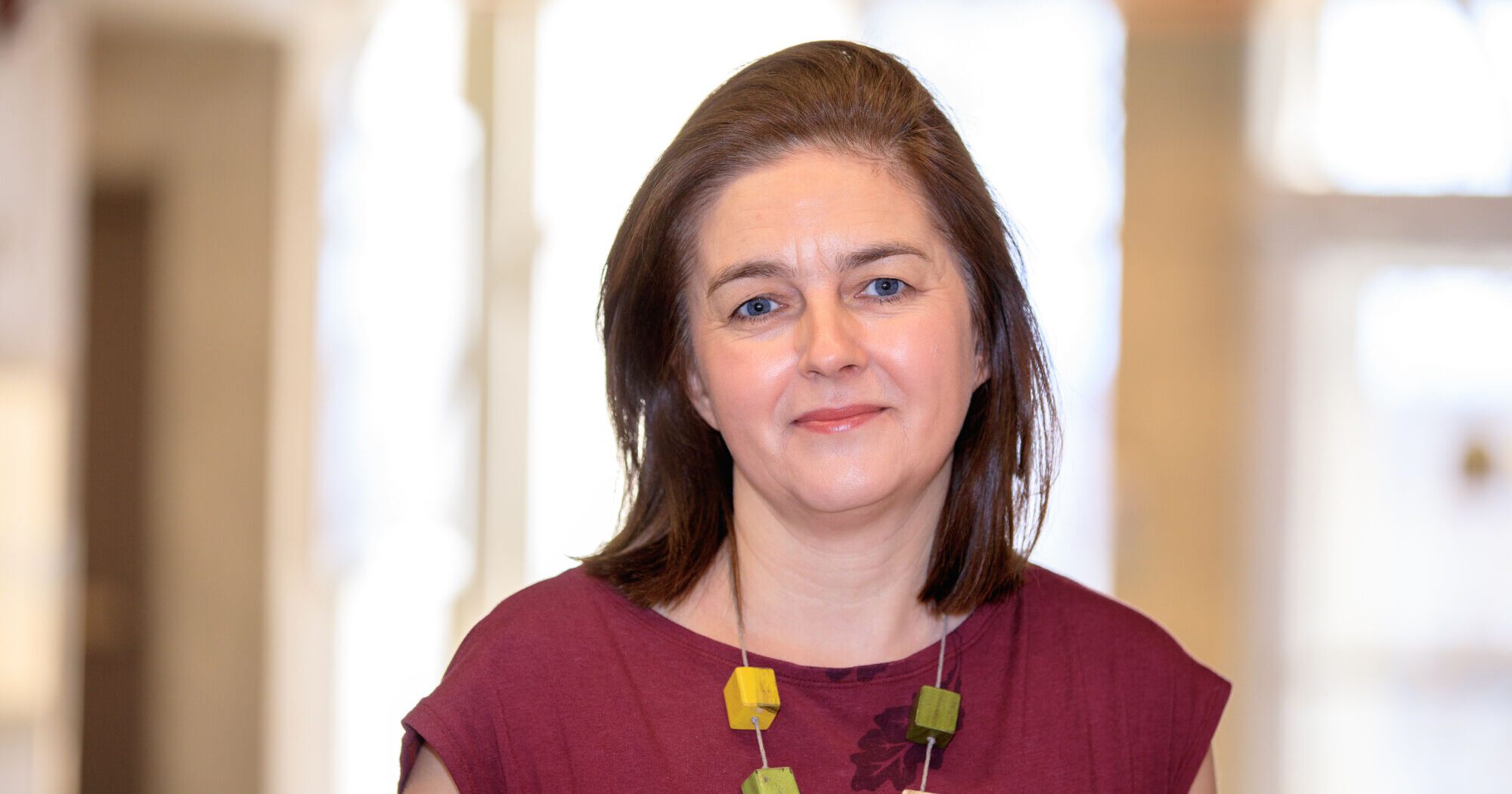
On a recent visit to see the scanner, the couple heard researchers describe what they can now do with it.

Sources 1
  1. Original reporting · news.westernu.ca

Share this storyOpen as a single page →

Next · p.18Occupational therapy students reduce wait times for kidsTwo Western occupational therapy students built Thames Valley Children’s Centre’s first student-led clinic and assessed more than 23 waiting families in two months.

Occupational therapy students reduce wait times for kids

Two Western occupational therapy students built Thames Valley Children’s Centre’s first student-led clinic and assessed more than 23 waiting families in two months.

Occupational therapy students reduce wait times for kids. Official Western News image.
Medicine & healthOccupational therapy students reduce wait times for kids. Official Western News image.Photo: Western News / official source page

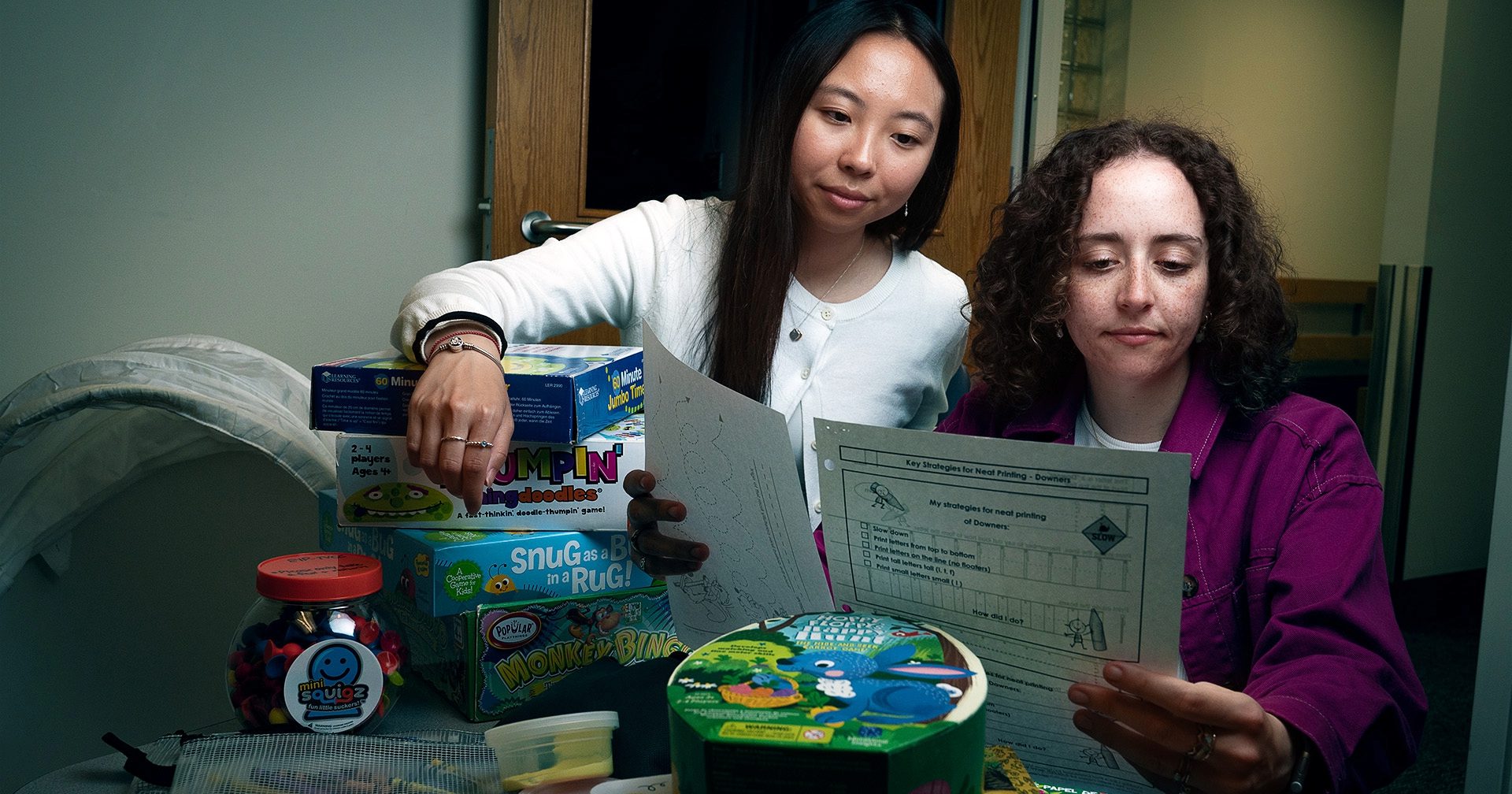
Holly Tang and Annie Bird were finishing Western’s master of occupational therapy program when they were placed at Thames Valley Children’s Centre (TVCC), where families faced long waits for a first assessment. Occupational therapist Laura Van Daele, who had worked with Western students before, asked them to help find a solution.

Together they built the Fine Motor and Written Output Clinic, TVCC’s first student-led clinic. It served children needing help with skills such as grip strength and hand control, which affect handwriting, buttons and opening containers.

Within two months, Tang and Bird met, assessed and made individual recommendations for more than 23 families and supported them with next steps. Tang says the work also moves other children up the wait list.

Van Daele hopes to use similar models for more student-led initiatives across TVCC. Tang and Bird were set to graduate this fall.

Sources 1
  1. Original reporting · news.westernu.ca

Share this storyOpen as a single page →

Next · p.19Brain Canada investment expands access to Western's national MRI research platformA $1.4 million Brain Canada investment, matched by Western, will open Western’s Centre for Functional and Metabolic Mapping to more researchers as it marks 30 years.

Brain Canada investment expands access to Western's national MRI research platform

A $1.4 million Brain Canada investment, matched by Western, will open Western’s Centre for Functional and Metabolic Mapping to more researchers as it marks 30 years.

Brain Canada investment expands access to Western's national MRI research platform. Official Western News image.
Medicine & healthBrain Canada investment expands access to Western's national MRI research platform. Official Western News image.Photo: Western News / official source page

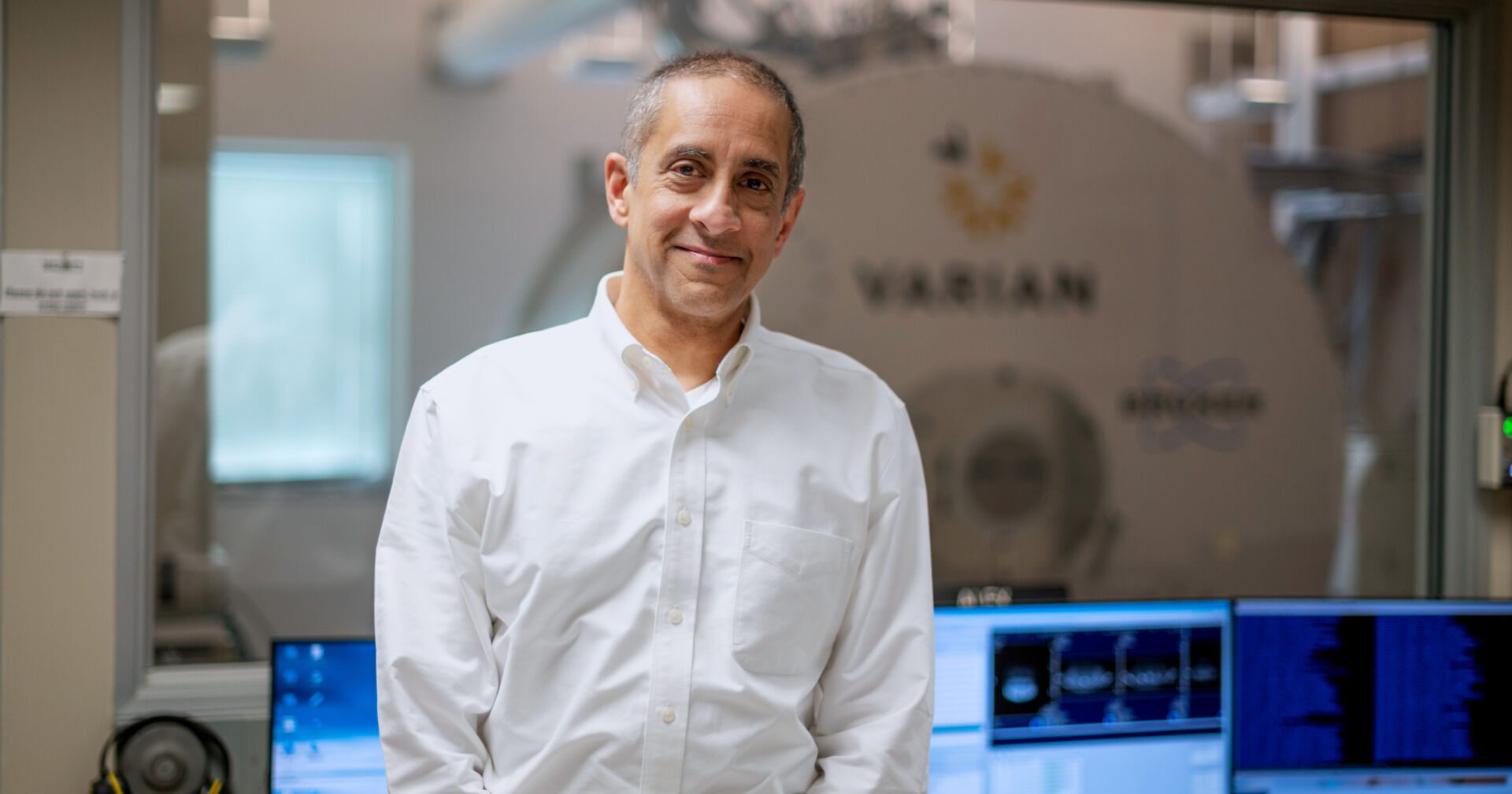
Brain Canada has made a $1.4 million investment in Western’s Centre for Functional and Metabolic Mapping (CFMM), with matching funds from Western. The money supports the technical staff behind CFMM’s ultra-high field MRI systems and strengthens its role as a national research platform.

Ravi Menon, founding director of CFMM and a Schulich professor, says the staff develop new solutions for hard neuroimaging projects. CFMM houses 3T and 7T MRI systems for human research and 9.4T and 15.2T systems for studying animal models of disease.

The grant will create more opportunities for researchers at other institutions to use the equipment and collaborate with the centre. It also advances CFMM’s commitment to open science by making its brain imaging data sets available to the wider research community.

The announcement comes as CFMM marks its 30th anniversary.

Sources 1
  1. Original reporting · news.westernu.ca

Share this storyOpen as a single page →

Next · p.20Farah Ismail, a nurse turned health-care lawyer, wins Western’s Professional Achievement AwardThe Western nursing graduate is chief legal, privacy and compliance officer at SE Health and co-founded Grayson’s Gratitude to support pediatric renal priorities at SickKids.

Farah Ismail, a nurse turned health-care lawyer, wins Western’s Professional Achievement Award

The Western nursing graduate is chief legal, privacy and compliance officer at SE Health and co-founded Grayson’s Gratitude to support pediatric renal priorities at SickKids.

Farah Ismail in a black blazer in a bright office corridor
AlumniFarah Ismail, BScN’00, MScN’03.Photo: Western Alumni

Farah Ismail, BScN’00, MScN’03, is the 2026 recipient of Western Alumni’s Professional Achievement Award. She began as a pediatric nurse, then earned a law degree at the University of Windsor and moved into health-care law.

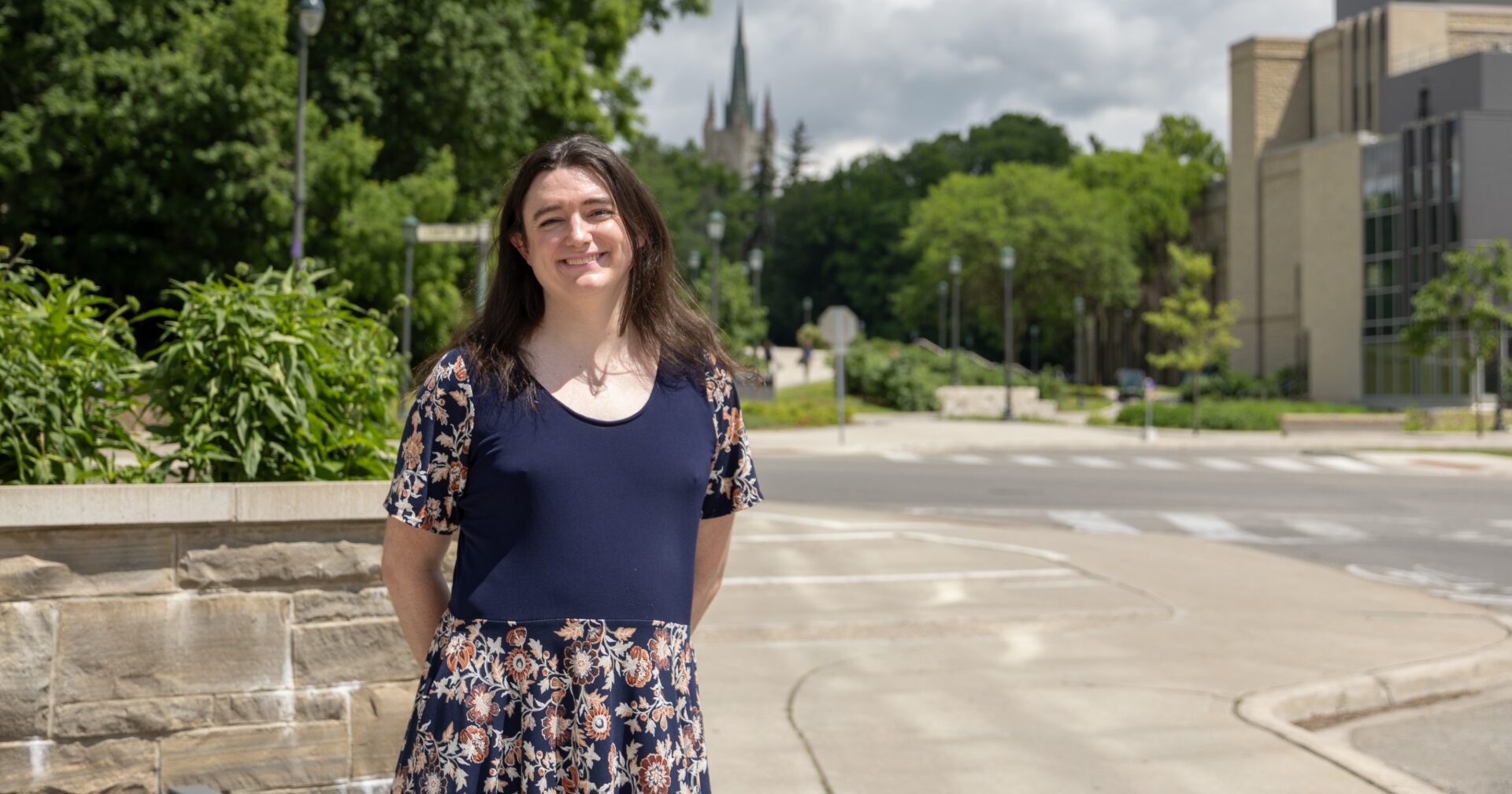
Today she is senior vice-president and chief legal, privacy and compliance officer at SE Health, one of Canada’s largest not-for-profit social enterprises. She spent more than a decade in health-care regulation leadership and has been an adjunct lecturer at the University of Toronto’s Bloomberg Faculty of Nursing since 2021. She sits on the boards of the Ontario Community Support Association and Women in General Counsel.

In 2019 she co-founded Grayson’s Gratitude, a charity inspired by her son’s health-care journey that supports pediatric renal priorities at SickKids Hospital. She was a finalist for Canadian Lawyer’s Top 25 Most Influential Lawyers in Canada and stays involved with Western through mentorship and alumni initiatives.

Sources 1
  1. Original reporting · alumni.westernu.ca

Share this storyOpen as a single page →

Next · p.21Kelly Anderson becomes chair of epidemiology and biostatistics at SchulichThe Canada Research Chair in Public Mental Health Research starts a five-year term on October 1, succeeding Dr. Saverio Stranges, who served two terms.

Kelly Anderson becomes chair of epidemiology and biostatistics at Schulich

The Canada Research Chair in Public Mental Health Research starts a five-year term on October 1, succeeding Dr. Saverio Stranges, who served two terms.

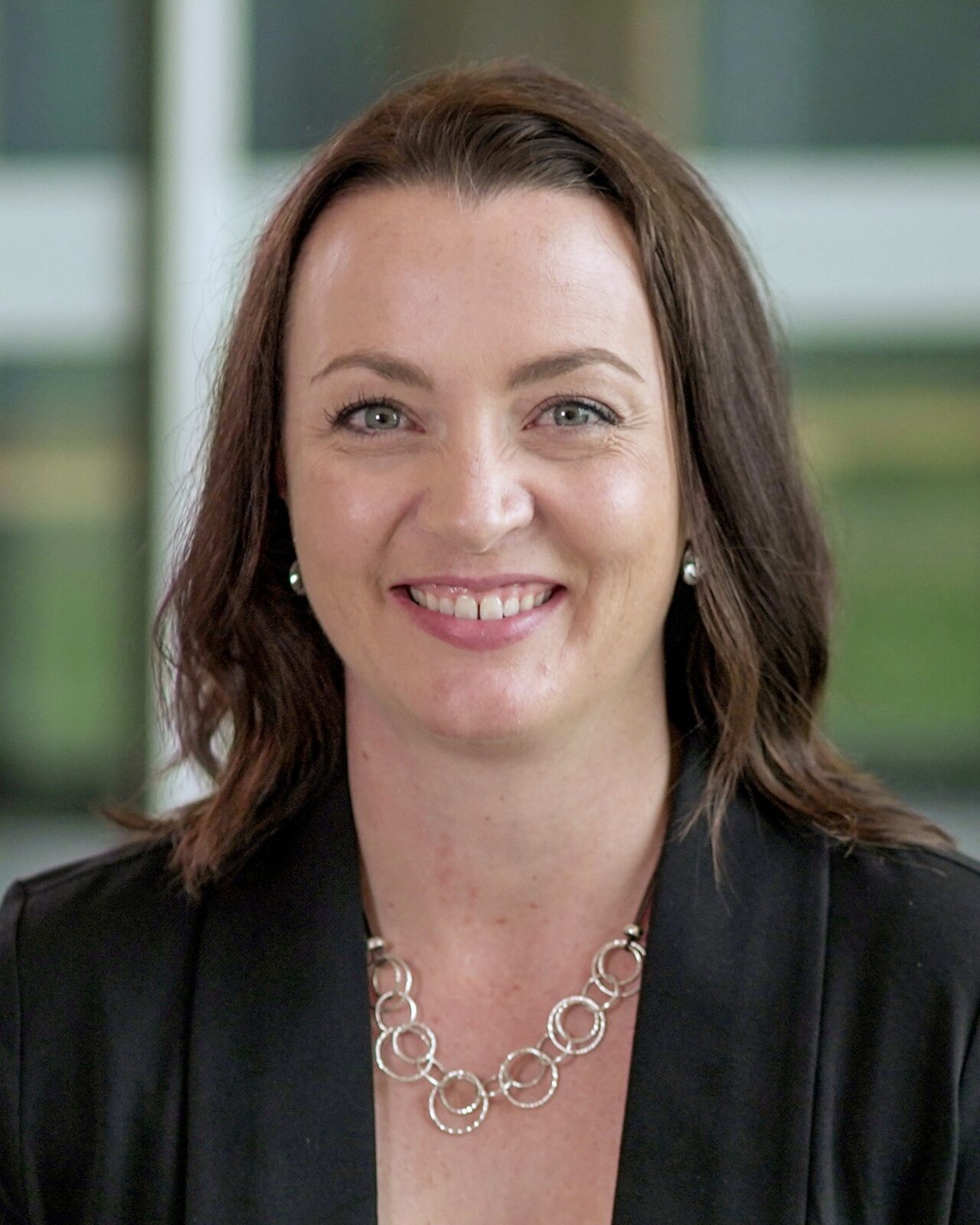
Kelly Anderson smiling in a dark jacket
ResearchKelly Anderson, PhD.Photo: Schulich Medicine & Dentistry

Kelly Anderson, PhD, has been appointed chair of the Department of Epidemiology and Biostatistics at Schulich Medicine & Dentistry for a term running from October 1, 2026 to September 30, 2031. She is a Canada Research Chair in Public Mental Health Research, an associate professor and the department’s graduate chair.

Anderson earned her PhD in epidemiology at McGill University and did a postdoctoral fellowship at the Centre for Addiction and Mental Health in Toronto. Her work looks at the risk, course and outcome of mental illness across population groups, with a focus on adolescents and young adults, first-episode psychosis and early intervention services. She uses population-based health administrative data to inform policy, including provincial standards of care for early psychosis programs.

She succeeds Dr. Saverio Stranges, who held the chair for two five-year terms from 2016. Anderson is a Western Faculty Scholar for 2025 to 2027 and received an Early Researcher Award from Ontario in 2018.

Sources 1
  1. Original reporting · schulich.uwo.ca

Share this storyOpen as a single page →

Next · p.22Fellow Charlotte Roy studies what relocation costs high-risk pregnanciesDr. Roy, who grew up in Sudbury, is studying patients who leave rural and remote communities for weeks when hospitalized before giving birth.

Fellow Charlotte Roy studies what relocation costs high-risk pregnancies

Dr. Roy, who grew up in Sudbury, is studying patients who leave rural and remote communities for weeks when hospitalized before giving birth.

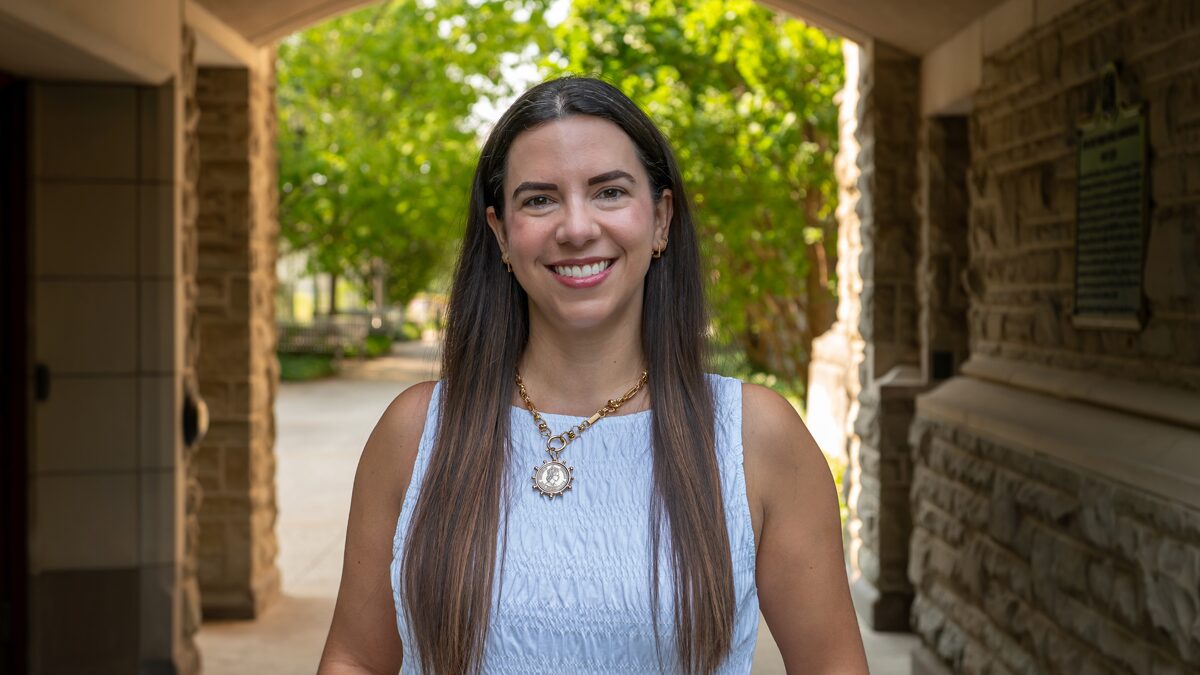
Dr. Charlotte Roy smiling under a stone archway
ResearchDr. Charlotte Roy.Photo: Schulich Medicine & Dentistry

Dr. Charlotte Roy, a maternal-fetal medicine fellow at Schulich Medicine & Dentistry, has seen patients drive more than four hours to an appointment and four hours home before going to work. She grew up in Sudbury, studied life sciences at Queen’s University, then returned north for medicine at the Northern Ontario School of Medicine, and did her obstetrics and gynecology residency at Memorial University in Newfoundland.

Her research looks at the impact of relocation on pregnant patients admitted to hospital before giving birth. Patients with complex, high-risk pregnancies may need specialized services found only at larger centres, and when hospitalization starts early in pregnancy they can spend weeks away from family and cultural supports.

Roy says there is little data on how weeks of antepartum relocation affect patients. She hopes the work will point to ways of supporting more care closer to home while keeping care patient-centred and culturally sensitive for those who must stay.

Sources 1
  1. Original reporting · schulich.uwo.ca

Share this storyOpen as a single page →

Next · p.23Dr. Michael Silverman finds meth use is more common among women and older OntariansThe largest analysis of its kind in North America, using Ontario urine drug-screening data, challenges the image of the typical user.

Dr. Michael Silverman finds meth use is more common among women and older Ontarians

The largest analysis of its kind in North America, using Ontario urine drug-screening data, challenges the image of the typical user.

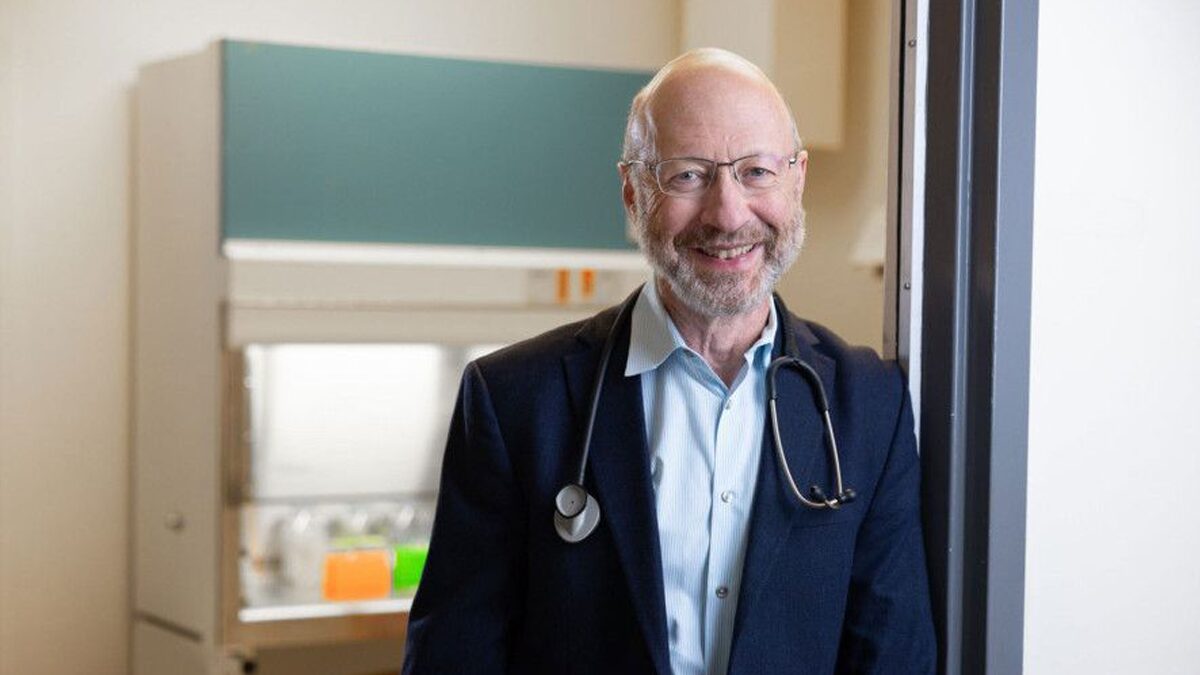
Dr. Michael Silverman in a dark blazer with a stethoscope
ResearchDr. Michael Silverman.Photo: Schulich Medicine & Dentistry

Dr. Michael Silverman, a professor of medicine and infectious diseases at Schulich and medical director of the Infectious Diseases Care Program at St. Joseph’s, led a study of Ontario urine drug-screening data published in the Canadian Journal of Addiction. It found that four of every 10 people using methamphetamine are female, one in five is older than 50 and four in 10 live in deep poverty.

The study is the first to use urinalysis data from across Ontario. Women tested positive about eight times more often than in studies based on self-reported use. Silverman offers two explanations: some people may not know what they are taking, since meth is sometimes laced into other substances, or may feel less safe disclosing it in surveys.

He says stereotypes of the average patient are often off-base, and that treatment aimed mostly at young men could miss other vulnerable groups. Researchers at Schulich and the Lawson Research Institute of St. Joseph’s Health Care London carried out the work.

Sources 1
  1. Original reporting · schulich.uwo.ca

Share this storyOpen as a single page →

Next · p.24Wataru Inoue’s lab finds a brain circuit that helps switch the body into stress modeThe Cell Reports study in mice points to a local feedback circuit that acts like a brake on the neurons driving the hormonal stress response.

Wataru Inoue’s lab finds a brain circuit that helps switch the body into stress mode

The Cell Reports study in mice points to a local feedback circuit that acts like a brake on the neurons driving the hormonal stress response.

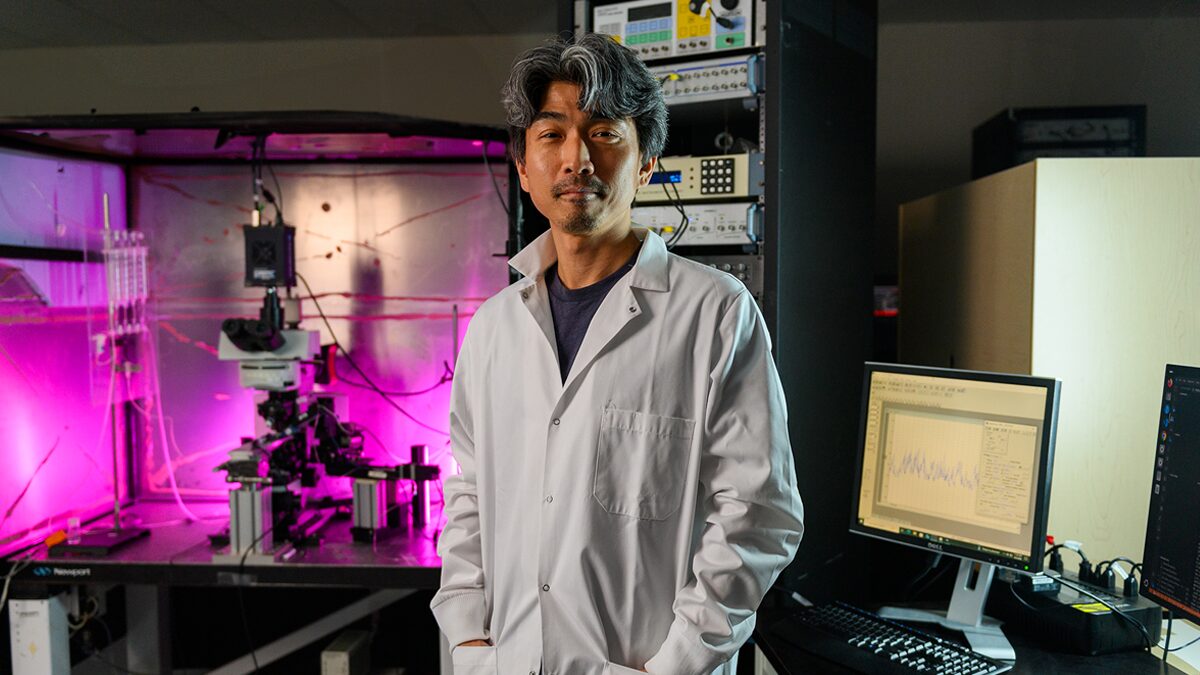
Wataru Inoue in a white lab coat beside electrophysiology equipment
ResearchWataru Inoue in his lab.Photo: Schulich Medicine & Dentistry

Wataru Inoue, PhD, an associate professor of physiology and pharmacology at Schulich, is senior author of a Cell Reports study on how the brain shifts the body from its everyday state into emergency readiness. The team studied corticotropin-releasing hormone neurons in the hypothalamus, which play a central role in the hormonal stress response.

By combining recordings of neural activity in mice with computational modelling, they found a local feedback circuit that keeps those neurons in a low-activity state under normal conditions. They predict it may also act as a gatekeeper for how sensitive the neurons are to stressful signals from other parts of the brain. Lyle Muller, an adjunct professor of mathematics at Western, joined the work, along with researchers from the Krembil Institute and the University of Calgary.

The team is now studying what happens to the circuit under chronic stress, including whether changes are linked to dysregulation of the stress response seen in disorders such as major depression and post-traumatic stress disorder.

Sources 1
  1. Original reporting · schulich.uwo.ca

Share this storyOpen as a single page →

Next · p.25Zola Ncube uses storytelling to ease the stigma facing young health workers with HIVThe Western graduate worked on a book showing what frontline workers living with HIV in sub-Saharan Africa face every day.

Zola Ncube uses storytelling to ease the stigma facing young health workers with HIV

The Western graduate worked on a book showing what frontline workers living with HIV in sub-Saharan Africa face every day.

Zola Ncube in a coral turtleneck against a purple and black graphic backdrop
ResearchZola Ncube, from the Impact Project.Photo: Western University Impact Project, via Western Alumni

Zola Ncube, MSc’24, studies young health-care workers in sub-Saharan Africa who are living with HIV while treating others with the disease. In the region, HIV/AIDS is the second leading cause of death in young people. Ncube was born in Zimbabwe and moved to London, Ontario, with her family as a little girl.

With colleagues from Paediatric-Adolescent Treatment Africa, she helped create a book that presents the research findings visually, in the Face of Care Project. She says the workers are underappreciated and face multiple layers of invisibility, with inadequate resources, information and tools.

Her mother, a long-time HIV/AIDS advocate, inspired her work. In high school Ncube began volunteering with an HIV/AIDS organization, where she led programming and events. She hopes stories can shift attitudes and improve conditions for the workers and others.

Sources 1
  1. Original reporting · alumni.westernu.ca

Share this storyOpen as a single page →

Next · p.26Bekim Sadikovic’s team finds expanded DNA testing opened new options for 28 per cent of cancer patientsThe POWER study of 554 patients at London’s Verspeeten Family Cancer Centre matched many to therapies or trials not usually used for their cancer.

Bekim Sadikovic’s team finds expanded DNA testing opened new options for 28 per cent of cancer patients

The POWER study of 554 patients at London’s Verspeeten Family Cancer Centre matched many to therapies or trials not usually used for their cancer.

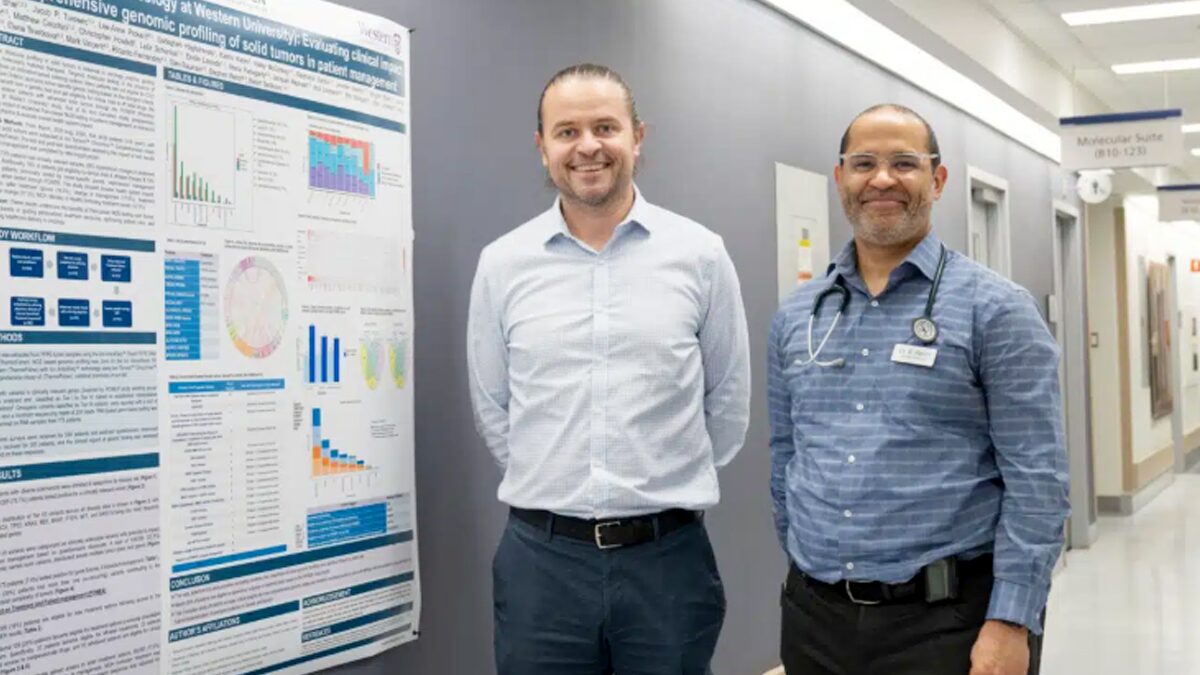
Two researchers stand beside a research poster in a hospital corridor
ResearchResearchers beside a poster on the POWER study.Photo: Schulich Medicine & Dentistry

A study led by researchers at Schulich Medicine & Dentistry and the London Health Sciences Centre Research Institute tested 554 cancer patients at the Verspeeten Family Cancer Centre with expanded DNA testing. Called Precision Oncology at Western University, or POWER, it appeared in The Journal of Molecular Diagnostics. Nearly one in three patients were eligible for therapies not typically used for their type of cancer.

Standard testing looks at a small number of genes. This study used next-generation sequencing to analyze hundreds of cancer-related genes at once. Seventy-nine per cent of patients had a clinically relevant variant, and 28 per cent became eligible for clinical trials, off-label therapies or compassionate access programs that had been out of reach.

Bekim Sadikovic, PhD, a pathology professor and co-principal investigator who heads the Verspeeten Clinical Genome Centre, said broader testing can find important changes in a tumour’s DNA. Dr. Stephen Welch, head of medical oncology, said evidence like this helps doctors guide patients toward options with real potential.

Sources 1
  1. Original reporting · schulich.uwo.ca

Share this storyOpen as a single page →

Next · p.27Expert insight: Should you tell a date you're using Ozempic? The GLP-1 disclosure dilemmaHealth studies professor Treena Orchard examines a ZipHealth survey on whether single people tell dates they use GLP-1 weight-loss drugs, and the stigma behind staying quiet.

Expert insight: Should you tell a date you're using Ozempic? The GLP-1 disclosure dilemma

Health studies professor Treena Orchard examines a ZipHealth survey on whether single people tell dates they use GLP-1 weight-loss drugs, and the stigma behind staying quiet.

Expert insight: Should you tell a date you're using Ozempic? The GLP-1 disclosure dilemma. Official Western News image.
Ideas & societyExpert insight: Should you tell a date you're using Ozempic? The GLP-1 disclosure dilemma. Official Western News image.Photo: Western News / official source page

Treena Orchard, an associate professor in Western’s School of Health Studies, looks at how people handle telling a date that they use GLP-1 drugs such as Ozempic, Mounjaro or Wegovy. Her commentary first ran in The Conversation. She notes there is little independent, peer-reviewed research so far.

She cites a self-published survey by ZipHealth, a telehealth company that sells GLP-1 access, of 1,000 single Americans. Of the 5.1 per cent currently on the drugs and 4.2 per cent who had used them, 74 per cent dated while using them and reported positive outcomes.

Over half disclosed to their dates, and around 85 per cent of them got a neutral or positive reaction. But 43 per cent did not disclose. Reasons included that it felt too personal (19 per cent), was not relevant (17 per cent) or was embarrassing (12 per cent).

Orchard says the reluctance points to stigma about fatness and beliefs that weight loss should come through diet and exercise.

Sources 1
  1. Original reporting · news.westernu.ca

Share this storyOpen as a single page →

Next · p.28Let the disciplines crossComputer science and creative writing meet in Cadence McGillicuddy's student writer-in-residence year.

Western in numbers

Western University / In numbersChart 01

Ideas leave through public doors

The selected stories show several routes from campus work into daily life.

Community service3
Accessible movement1
Public health2
Research context59

Values · shared zero baseline

Source: Western Community Legal Services

Editorial grouping based on selected source pages; it does not establish service volume, impact or outcomes.

View values as a table
CategoryValue
Community service3
Accessible movement1
Public health2
Research context59

Western University / In numbersChart 02

Recognition travels in arcs

Appointments, fellowships and honorary degrees connect present work with longer Western stories.

Honorary degree1
Dean / chair2
Fellows / scholars2
Other stories60

Values · shared zero baseline

Source: Western honorary degree recipient Mitch Frazer

Editorial count of selected recognition and appointment records in this issue; not a measure of alumni success.

View values as a table
CategoryValue
Honorary degree1
Dean / chair2
Fellows / scholars2
Other stories60

Chapter 03

Science & Technology

Labs, models and discoveries, from quantum light to AI.

31 stories

Let the disciplines cross

Computer science and creative writing meet in Cadence McGillicuddy's student writer-in-residence year.

Cadence McGillicuddy is Western's student writer-in-residence. Official Western News image.
Campus & cultureCadence McGillicuddy is Western's student writer-in-residence. Official Western News image.Photo: Western News / official source page

Cadence McGillicuddy's appointment makes a quiet argument for the value of an education that does not stay in one lane. Code and narrative are not competing identities here; they are two ways of noticing structure, sequence and surprise.

The residency gives that overlap a public room: a place to write, to experiment and to let one field change the questions asked by another.

Sources 1
  1. Original reporting · news.westernu.ca

Share this storyOpen as a single page →

Next · p.29Seeing the pressure inside a reactorA five-year Western project maps hidden stresses in CANDU pressure tubes at a scale of about 200 nanometres.

Seeing the pressure inside a reactor

A five-year Western project maps hidden stresses in CANDU pressure tubes at a scale of about 200 nanometres.

Engineers investigate cracking in nuclear reactors. Official Western News image.
AI, innovation & researchEngineers investigate cracking in nuclear reactors. Official Western News image.Photo: Western News / official source page

The research team is looking at infrastructure that usually disappears from view. By mapping microscopic stresses in pressure tubes, the project turns a difficult maintenance question into something that can be studied, compared and improved.

The alumni connection is practical: long-horizon research is part of the invisible work that makes public systems safer and more legible.

Sources 1
  1. Original reporting · news.westernu.ca

Share this storyOpen as a single page →

Next · p.30A social scientist in the roomWestern's Forrester-Jones Fellow joins a U.K. academy with research that keeps institutions and lived experience in the same frame.

A social scientist in the room

Western's Forrester-Jones Fellow joins a U.K. academy with research that keeps institutions and lived experience in the same frame.

Western School of Health Studies director named to U.K. academy. Official Western News image.
Medicine & healthWestern School of Health Studies director named to U.K. academy. Official Western News image.Photo: Western News / official source page

Good social research refuses the distance between a system and the people moving through it. The Forrester-Jones Fellow's recognition places that kind of work in an international scholarly conversation.

The story is a reminder that alumni impact is often measured in better questions before it is measured in easy answers.

Sources 1
  1. Original reporting · news.westernu.ca

Share this storyOpen as a single page →

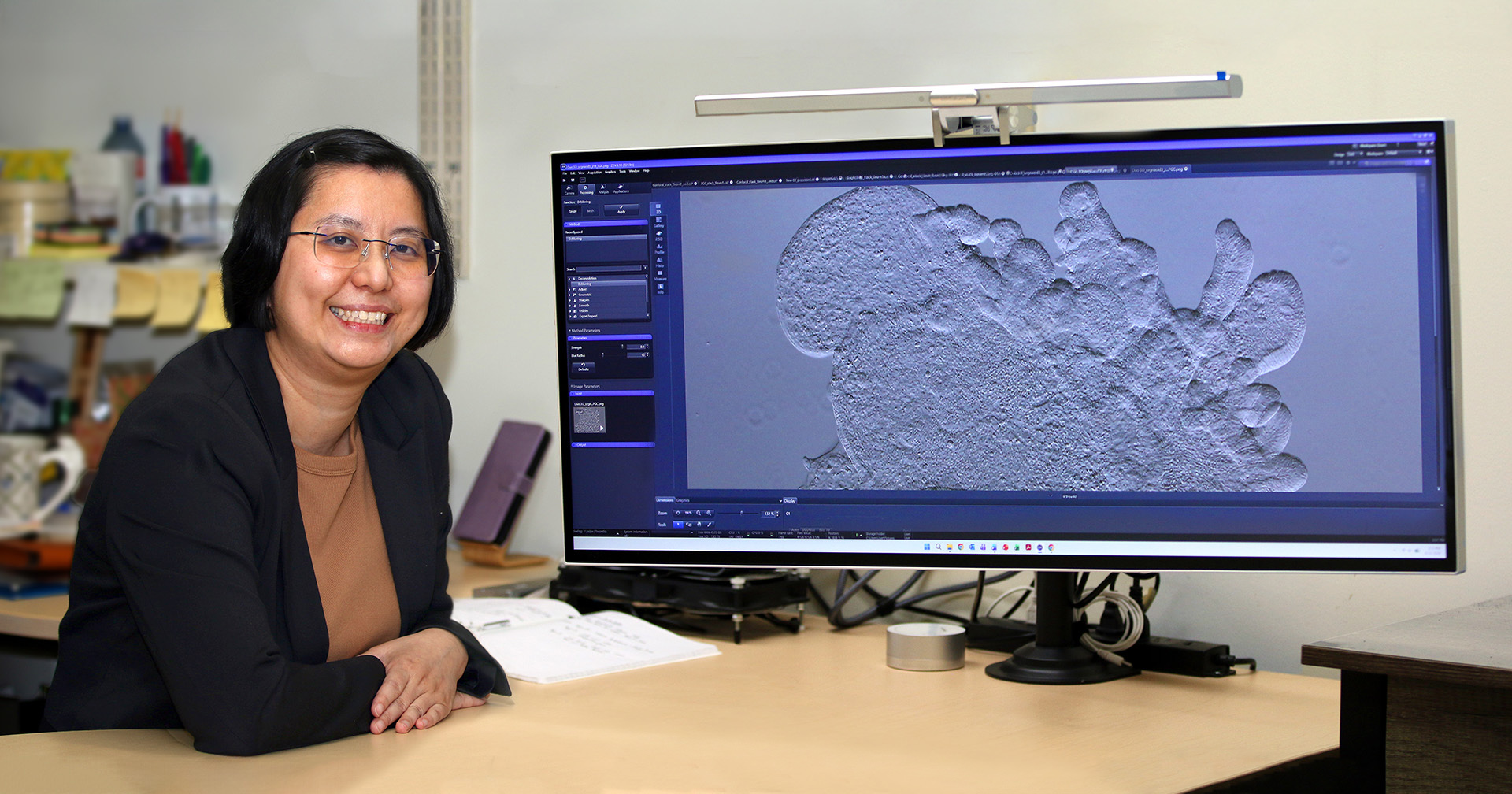
Next · p.31Watching a living model changeNew 4D imaging capacity gives Western researchers a more detailed view of organoid development over time.

Watching a living model change

New 4D imaging capacity gives Western researchers a more detailed view of organoid development over time.

Western lands 4D imaging system for organoid research. Official Western News image.
Medicine & healthWestern lands 4D imaging system for organoid research. Official Western News image.Photo: Western News / official source page

The value of a new imaging system is not only its resolution. It changes the kinds of questions a lab can ask about movement, growth and variation in a living model.

The project sits at the intersection of equipment, expertise and patience: better tools make deeper observation possible, but the insight still comes from people who know what to look for.

Sources 1
  1. Original reporting · news.westernu.ca

Share this storyOpen as a single page →

Next · p.32Forecasting the storms aheadWestern recruits a severe-storm expert whose work connects atmospheric science with the risks communities have to plan for.

Forecasting the storms ahead

Western recruits a severe-storm expert whose work connects atmospheric science with the risks communities have to plan for.

Western recruits severe storm expert as Eddie Goldenberg Research Chair. Official Western News image.
AI, innovation & researchWestern recruits severe storm expert as Eddie Goldenberg Research Chair. Official Western News image.Photo: Western News / official source page

Severe weather becomes a public problem long before it becomes a headline. A research chair focused on storms brings evidence, modelling and preparation into one conversation.

That is the alumni-facing value of fundamental expertise: it helps a city, a region and the next generation make decisions before the forecast becomes an emergency.

Sources 1
  1. Original reporting · news.westernu.ca

Share this storyOpen as a single page →

Next · p.33Western researchers earn $16.3M in CIHR fundingWestern researchers won nearly $16.3 million in the latest CIHR Project Grant competition, funding 17 projects including studies of West Nile recovery and age-friendly communities.

Western researchers earn $16.3M in CIHR funding

Western researchers won nearly $16.3 million in the latest CIHR Project Grant competition, funding 17 projects including studies of West Nile recovery and age-friendly communities.

Western researchers earn $16.3M in CIHR funding. Official Western News image.
Business & entrepreneurshipWestern researchers earn $16.3M in CIHR funding. Official Western News image.Photo: Western News / official source page

Western researchers received nearly $16.3 million in the latest Canadian Institutes of Health Research Project Grant competition. The money supports 17 projects across four faculties, spanning biomedical, clinical and population health work, plus one hospital-based project on emergency general surgery.

Penny Pexman, Western’s vice-president (research), said the support lets researchers in London keep leading efforts on current and emerging health challenges.

Dr. Robyn Klein, a Canada Research Chair in Neurovirology and Neuroimmunology, will study why some people have lasting memory loss after West Nile virus brain infections, and why outcomes differ between males and females. Her team has shown that the brain’s microglia stay chronically activated after the virus clears.

Piotr Wilk, a professor of epidemiology and biostatistics, will lead the first national study of Age-Friendly Communities, using health surveys, administrative data and community engagement to test whether they improve health outcomes.

Sources 1
  1. Original reporting · news.westernu.ca

Share this storyOpen as a single page →

Next · p.34Western expert: Why numeracy screening is essential for kidsWestern psychologist Daniel Ansari says early math screening matters as much as reading screening, and his lab has built a free online numeracy tool.

Western expert: Why numeracy screening is essential for kids

Western psychologist Daniel Ansari says early math screening matters as much as reading screening, and his lab has built a free online numeracy tool.

Western expert: Why numeracy screening is essential for kids. Official Western News image.
Ideas & societyWestern expert: Why numeracy screening is essential for kids. Official Western News image.Photo: Western News / official source page

After the Ontario Human Rights Commission’s Right to Read report in 2022, the province mandated reading screening for children from senior kindergarten through Grade 2. Daniel Ansari, a Western professor of psychology and education and Canada Research Chair, says math screening is just as important.

He told Western News that children arrive at school with different numeracy skills, and that gaps can widen if early gaps go unnoticed. Screening is not meant to label learning difficulties. It gives teachers quick data to tailor instruction and track progress, and it can help equity.

Ansari says literacy has had far more attention from media, policymakers and funders, though that is changing. Australia, for example, ran a large numeracy screening project.

His Numerical Cognition Laboratory has developed a numeracy screening tool that is free online and is gathering responses to serve as a reference. For parents, he suggests using everyday activities like grocery costs and cooking, staying engaged with schoolwork and keeping math fun.

Sources 1
  1. Original reporting · news.westernu.ca

Share this storyOpen as a single page →

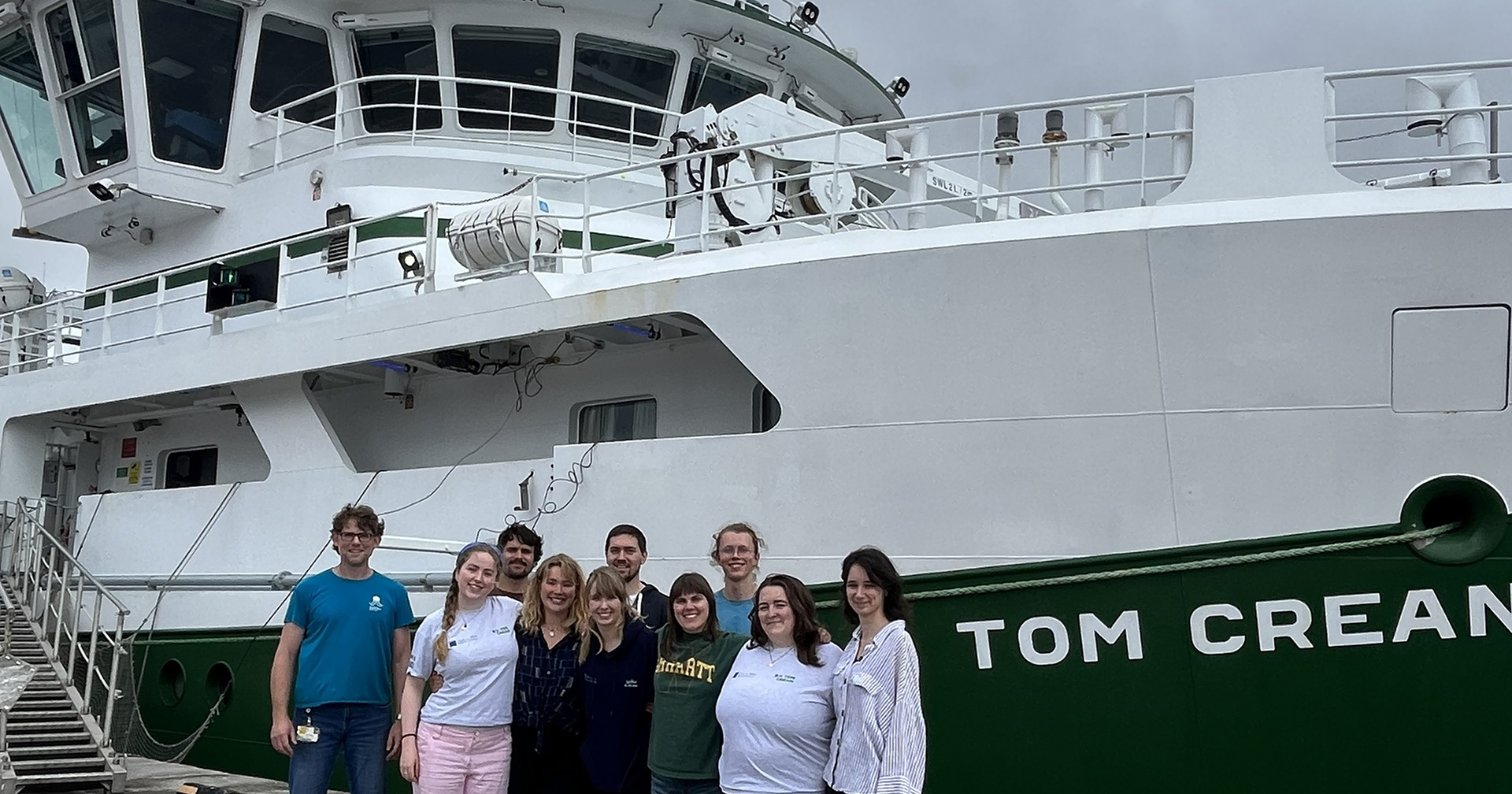
Next · p.35Deep learning: Western student explores ocean depths aboard Irish research vesselWestern PhD candidate Alessandra Walsh spent 13 days at sea in July on Ireland’s research vessel Tom Crean, studying deep-ocean predators and prey for the MOSAIC project.

Deep learning: Western student explores ocean depths aboard Irish research vessel

Western PhD candidate Alessandra Walsh spent 13 days at sea in July on Ireland’s research vessel Tom Crean, studying deep-ocean predators and prey for the MOSAIC project.

Deep learning: Western student explores ocean depths aboard Irish research vessel. Official Western News image.
AI, innovation & researchDeep learning: Western student explores ocean depths aboard Irish research vessel. Official Western News image.Photo: Western News / official source page

Alessandra Walsh, a PhD candidate in biology at Western, spent 13 days in July 2026 as a researcher aboard the Tom Crean, Ireland’s national research vessel. The voyage went to the Rockall Trough, a deep basin northwest of Ireland and Scotland, as part of the MOSAIC project, which links 11 partner institutions including Western.

Walsh is supervised by Western biology professors Paul Mensink and Yolanda Morbey. She studies how climate change affects open-ocean predators such as porbeagle and basking sharks, and their prey. The team made 25 stops, taking water samples for environmental DNA and RNA, skimming plankton and hauling in fish and squid from as deep as 1,400 metres.

She also tested whether satellite-tag light meters can detect bioluminescence from deep-water prey, borrowing a specialized sensor from researchers in France and mounting it on a trawl net.

She is awaiting the sensor results. She has also drafted a map for a proposed new survey covering corridors used by basking sharks, porbeagle sharks and leatherback turtles. She will stay with MOSAIC for the next four years.

Sources 1
  1. Original reporting · news.westernu.ca

Share this storyOpen as a single page →

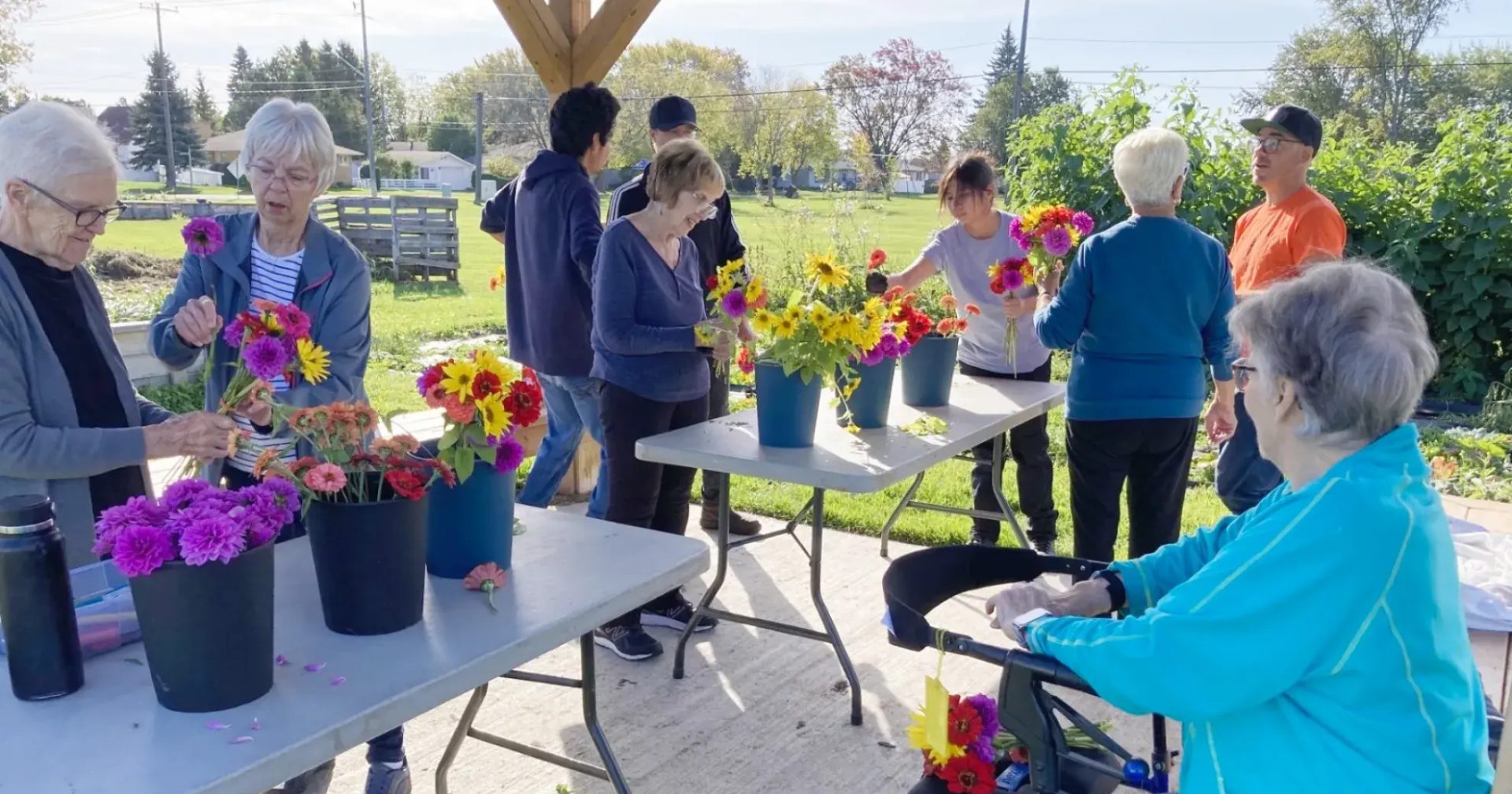
Next · p.36USRI students combat Canada's declining populationTwo Western undergraduates in the summer research internship program are helping sociologist Michael Haan build better evidence on immigration as Canada’s population declined in 2025.

USRI students combat Canada's declining population

Two Western undergraduates in the summer research internship program are helping sociologist Michael Haan build better evidence on immigration as Canada’s population declined in 2025.

USRI students combat Canada's declining population. Official Western News image.
Business & entrepreneurshipUSRI students combat Canada's declining population. Official Western News image.Photo: Western News / official source page

Canada’s population fell on an annual basis in 2025 for the first time on record. Michael Haan, a Western sociology professor and director of Western’s Statistics Canada Research Data Centre, says official immigration statistics arrive three to four years late, so researchers are still working with 2023 data.

Haan supervises fourth-year Social Science students Aphrodite Podonis and Beniamin Kowal, two of 322 students in Western’s Undergraduate Summer Research Internships program. Each internship is a paid, full-time 16-week commitment. Their work supports Haan’s proposed Canadian Immigration Intelligence Unit, which starts with building a population register.

Podonis, whose family emigrated from Greece in the 1970s, is travelling to Greece to interview migration scholars, policy workers and non-governmental organizations about migrant flows. Kowal is taking a two-week web-scraping course through the University of Essex to fill gaps in newcomer data using public sources.

The students and faculty will present their work at a virtual exhibition at the end of the summer.

Sources 1
  1. Original reporting · news.westernu.ca

Share this storyOpen as a single page →

Next · p.37Aging in place project earns $2.5M to expand OasisA SSHRC Partnership Grant of $2.5 million, co-led by Western’s Carri Hand, will expand the Oasis network that helps older adults age well where they already live.

Aging in place project earns $2.5M to expand Oasis

A SSHRC Partnership Grant of $2.5 million, co-led by Western’s Carri Hand, will expand the Oasis network that helps older adults age well where they already live.

Aging in place project earns $2.5M to expand Oasis. Official Western News image.
Medicine & healthAging in place project earns $2.5M to expand Oasis. Official Western News image.Photo: Western News / official source page

The Aging in Community Partnership has received $2.5 million through the Social Sciences and Humanities Research Council of Canada’s Partnership Grants to expand the Oasis Communities for Aging Well network. It is led by Queen’s researchers Catherine Donnelly and Vincent DePaul and by Carri Hand, an occupational therapy professor in Western’s Faculty of Health Sciences.

Oasis began in 2011 in a Kingston apartment building and now runs in 23 communities across Canada, including London and St. Thomas. Each site shapes its own activities, such as exercise classes, arts, cards and shared meals, with an on-site coordinator and sometimes student volunteers. The team’s research over eight years found it helped address loneliness and increased physical activity.

The grant brings total funding for the initiative past $13 million. The partnership includes researchers from seven Canadian universities, collaborators in Manchester, U.K., and Scotland, and dozens of community partners.

It also aims to offer training to students, postdoctoral fellows and early-career researchers in aging, housing and community development.

Sources 1
  1. Original reporting · news.westernu.ca

Share this storyOpen as a single page →

Next · p.38Nuclear waste storage safety studied in field researchWestern chemistry PhD student Jessie McDonald helped retrieve copper and clay test modules from 300 metres underground at the proposed Ignace nuclear waste repository site.

Nuclear waste storage safety studied in field research

Western chemistry PhD student Jessie McDonald helped retrieve copper and clay test modules from 300 metres underground at the proposed Ignace nuclear waste repository site.

Nuclear waste storage safety studied in field research. Official Western News image.
AI, innovation & researchNuclear waste storage safety studied in field research. Official Western News image.Photo: Western News / official source page

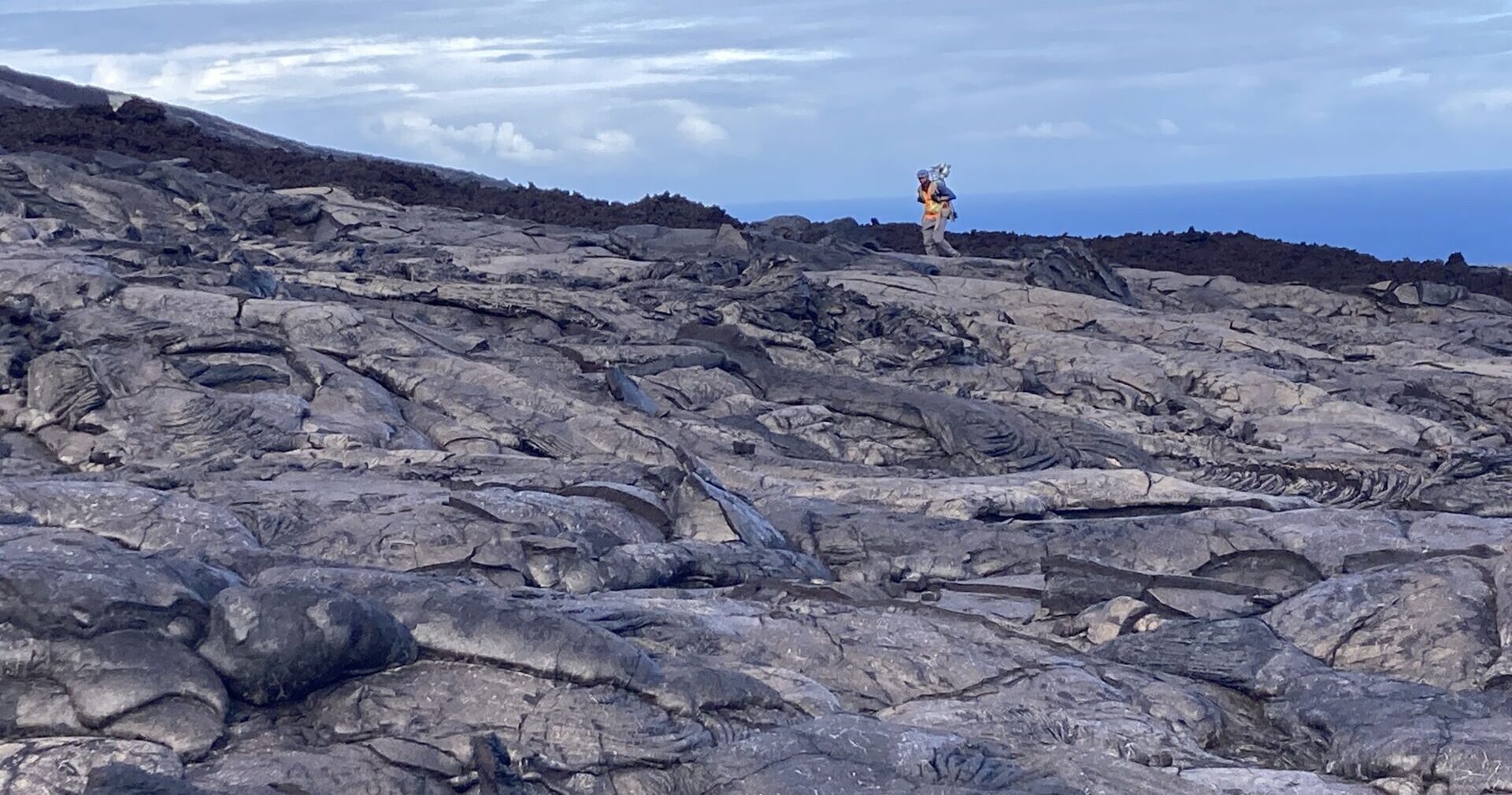
Jessie McDonald, a Western chemistry PhD student, travelled in May to the proposed deep geological repository site near Ignace, Ont., with Nuclear Waste Management Organization staff and other collaborators. The team retrieved two modules from a borehole 300 metres underground. Each is a steel canister of bentonite clay with embedded copper specimens, and a Western team had deployed them in 2021.

Her supervisor, chemistry professor James Noël, says the goal is containers that last a million years. The main threat is sulfide-producing bacteria, and the bentonite clay suppresses them. After five years, the copper samples show the suppression is working largely as predicted. McDonald is analyzing them at Surface Science Western.

Noël’s team is testing how loosely the clay can be packed and still inhibit microbes. McDonald prepared two new modules that were deployed for future students to analyze. She also has six modules on the Pacific seafloor near Vancouver Island, 2.5 kilometres deep, as a saltwater comparison.

Noël says the materials already pass the bar and the work now fills in by how much.

Sources 1
  1. Original reporting · news.westernu.ca

Share this storyOpen as a single page →

Next · p.39Western receives $9.8M in federal SSHRC fundingWestern researchers won nearly $9.8 million in SSHRC grants announced July 21, including projects on composer Ann Southam, international criminal law and loneliness in politics.

Western receives $9.8M in federal SSHRC funding

Western researchers won nearly $9.8 million in SSHRC grants announced July 21, including projects on composer Ann Southam, international criminal law and loneliness in politics.

Western receives $9.8M in federal SSHRC funding. Official Western News image.
Business & entrepreneurshipWestern receives $9.8M in federal SSHRC funding. Official Western News image.Photo: Western News / official source page

Western researchers earned nearly $9.8 million in new Social Sciences and Humanities Research Council grants, announced July 21. That includes nearly $6.5 million in Insight Grants, a 72 per cent increase in funding to Western compared with 2025, and $3.3 million for 46 Insight Development Grants across six faculties.

Music history professor Emily Abrams Ansari received over $115,000 to study Toronto composer Ann Southam, whose music echoed domestic and craft work. Her team plans papers, a website, two books and a September festival symposium at the Don Wright Faculty of Music with colleagues from visual arts.

Law professor Ryan Liss received over $100,000 for a project on how sovereignty shaped international criminal law. Next year he will hold the Oliver Smithies Visiting Fellowship at Balliol College, Oxford.

Political science professor Laura Stephenson received over $400,000 over five years to study how loneliness affects trust in government and political preferences.

Sources 1
  1. Original reporting · news.westernu.ca

Share this storyOpen as a single page →

Next · p.40Expert insight: Jeremy Hansen retires, but Canada will still support NASA’s return to the moonAfter astronaut Jeremy Hansen’s July 6 retirement, Western geologist Gordon Osinski outlines Canada’s continuing Artemis roles, including a lead CAPCOM post and a robotic lunar vehicle.

Expert insight: Jeremy Hansen retires, but Canada will still support NASA’s return to the moon

After astronaut Jeremy Hansen’s July 6 retirement, Western geologist Gordon Osinski outlines Canada’s continuing Artemis roles, including a lead CAPCOM post and a robotic lunar vehicle.

Expert insight: Jeremy Hansen retires, but Canada will still support NASA’s return to the moon. Official Western News image.
Ideas & societyExpert insight: Jeremy Hansen retires, but Canada will still support NASA’s return to the moon. Official Western News image.Photo: Western News / official source page

Canadian astronaut Jeremy Hansen announced his retirement from the Canadian Space Agency on July 6, 2026. Gordon Osinski, a Western professor of earth and planetary science who has trained Hansen in geology for 15 years, reviews his legacy in a piece first published in The Conversation.

Hansen flew on Artemis II alongside NASA’s Reid Wiseman, Victor Glover and Christina Koch, becoming the first Canadian to travel to the moon. The crew reached 406,773 kilometres from Earth, a record. Osinski notes that Hansen grew up on a farm near London, Ont.

Canada still has roles ahead. Astronaut Jenni Gibbons is lead CAPCOM for Artemis III, now a low-Earth-orbit test flight, and Canada is contributing a robotic Lunar Utility Vehicle. Osinski serves on the Artemis Lunar Surface Science Team for Artemis IV and V.

Joshua Kutryk is due to launch to the International Space Station on Crew 13 in a matter of months.

Sources 1
  1. Original reporting · news.westernu.ca

Share this storyOpen as a single page →

Next · p.41The hidden world that can make you feel seen: how cataloguing creates communityFaculty of Information and Media Studies professor Bri Watson explains how cataloguing labels help people find community, and how their LGBTQ+ vocabulary work is expanding at Western.

The hidden world that can make you feel seen: how cataloguing creates community

Faculty of Information and Media Studies professor Bri Watson explains how cataloguing labels help people find community, and how their LGBTQ+ vocabulary work is expanding at Western.

The hidden world that can make you feel seen: how cataloguing creates community. Official Western News image.
Campus & cultureThe hidden world that can make you feel seen: how cataloguing creates community. Official Western News image.Photo: Western News / official source page

B. M. Watson, who goes by Bri and uses they/them pronouns, joined Western’s Faculty of Information and Media Studies last July. Watson researches how cataloguing and metadata shape who can be found in libraries, archives and museums. Their own labels include polyamorous, disabled, queer and non-binary.

Their work includes the Name Change Policy Working Group, which pushes journals to let authors retroactively change names in published work. It also includes the Homosaurus, a vocabulary of LGBTQ+ terms for cultural institutions, and the Trans Metadata Collective, which aims to improve how trans and gender diverse people are described and classified.

Watson traces this to growing up deaf in New Hampshire, where a teacher took them to the library to find people like them, starting with Beethoven. They later trained in library science in Indiana, worked as a student archivist at the Kinsey Institute and completed a PhD at UBC.

At Western, Watson has secured two grants to build on the Homosaurus, focusing on translation to bring it to Quebec and Europe.

Sources 1
  1. Original reporting · news.westernu.ca

Share this storyOpen as a single page →

Next · p.42Are workplaces safer? Harassment and violence persist, Western survey findsA second national survey from Western researchers found 69.4 per cent of respondents faced workplace harassment or violence, with online harassment down and third-party harassment up.

Are workplaces safer? Harassment and violence persist, Western survey finds

A second national survey from Western researchers found 69.4 per cent of respondents faced workplace harassment or violence, with online harassment down and third-party harassment up.

Are workplaces safer? Harassment and violence persist, Western survey finds. Official Western News image.
Ideas & societyAre workplaces safer? Harassment and violence persist, Western survey finds. Official Western News image.Photo: Western News / official source page

Western’s Centre for Research and Education on Violence Against Women and Children, working with the Canadian Labour Congress and funded by Employment and Social Development Canada, ran a second national survey on workplace harassment and violence. It drew more than 5,600 responses between September and December 2025.

Adriana Berlingieri, a Faculty of Education professor and the report’s principal investigator, says the rates have not meaningfully decreased in almost five years. In the two years before the survey, 69.4 per cent of respondents experienced at least one form of harassment or violence, including sexual harassment.

Online harassment fell 7.4 percentage points from 2022, likely partly because more people returned to in-person or hybrid work. Harassment from third parties such as customers, patients or students rose, from 30.7 to 36.2 per cent.

Indigenous respondents reported the highest overall rate, at 73.7 per cent. Berlingieri says zero-tolerance statements are not enough without actions, processes and support to back them up.

Sources 1
  1. Original reporting · news.westernu.ca

Share this storyOpen as a single page →

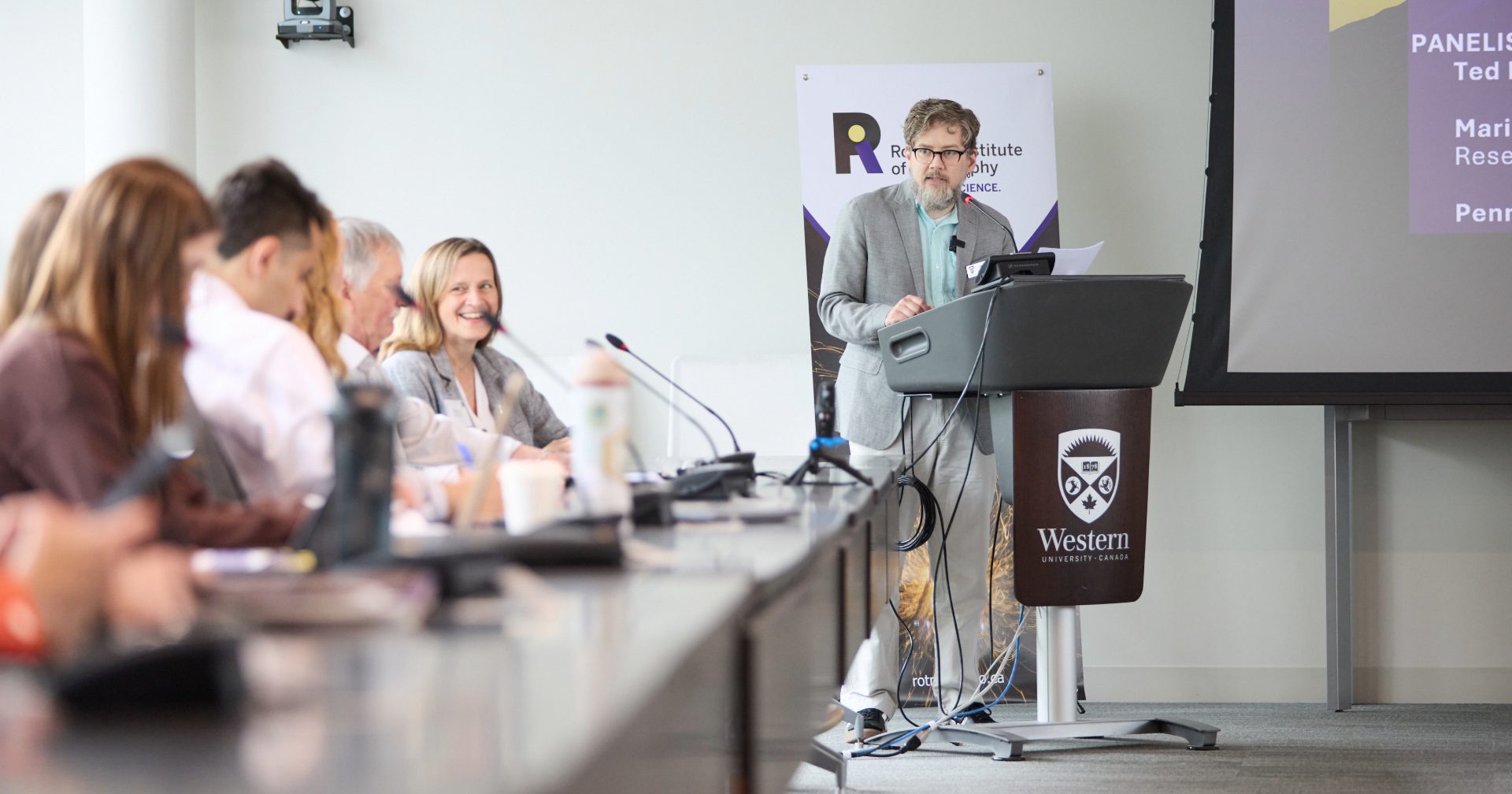
Next · p.43Western philosophers, scientists among global scholars tackling “wicked problems”Rotman Institute director Dan Lizotte explains why philosophers join scientists on hard problems, after Western hosted the first Summit on Interdisciplinarity with Durham University.

Western philosophers, scientists among global scholars tackling “wicked problems”

Rotman Institute director Dan Lizotte explains why philosophers join scientists on hard problems, after Western hosted the first Summit on Interdisciplinarity with Durham University.

Western philosophers, scientists among global scholars tackling “wicked problems”. Official Western News image.
Ideas & societyWestern philosophers, scientists among global scholars tackling “wicked problems”. Official Western News image.Photo: Western News / official source page

Western’s Rotman Institute of Philosophy recently hosted the Summit on Interdisciplinarity, in partnership with the Centre for Humanities Engaging Science and Society at Durham University in the U.K. International scholars gathered to discuss how to create and support interdisciplinary research, which has been the Rotman Institute’s foundation since 2008.

Institute director Dan Lizotte, a professor of computer science and of epidemiology and biostatistics, told Western News he did not train as a philosopher and joined the institute through a reading group on AI and ethics in fall 2020. He says its members take on deep problems that need a fundamental shift in thinking and wicked problems, such as adapting to climate change, that need many viewpoints.

For Lizotte, the summit’s biggest result is a new international community of interdisciplinary institutes and scholars.

The group is already planning to meet again in 2028. It is also planning several reports to share what was learned and proposing programs that let students and faculty visit other institutes.

Sources 1
  1. Original reporting · news.westernu.ca

Share this storyOpen as a single page →

Next · p.44Research collaborations aid Goodwill in diverting wasteWestern and Fanshawe researchers are helping Goodwill Ontario Great Lakes keep unsellable donations out of landfill, using textile biochar and an AI sorting system.

Research collaborations aid Goodwill in diverting waste

Western and Fanshawe researchers are helping Goodwill Ontario Great Lakes keep unsellable donations out of landfill, using textile biochar and an AI sorting system.

Research collaborations aid Goodwill in diverting waste. Official Western News image.
AI, innovation & researchResearch collaborations aid Goodwill in diverting waste. Official Western News image.Photo: Western News / official source page

Goodwill, Ontario Great Lakes received more than 43 million pounds of donations in its last fiscal year, and some of it cannot be resold or reused. John Quigley, the organization’s manager of sustainability, says it relies on partners like Western for expertise it lacks in-house.

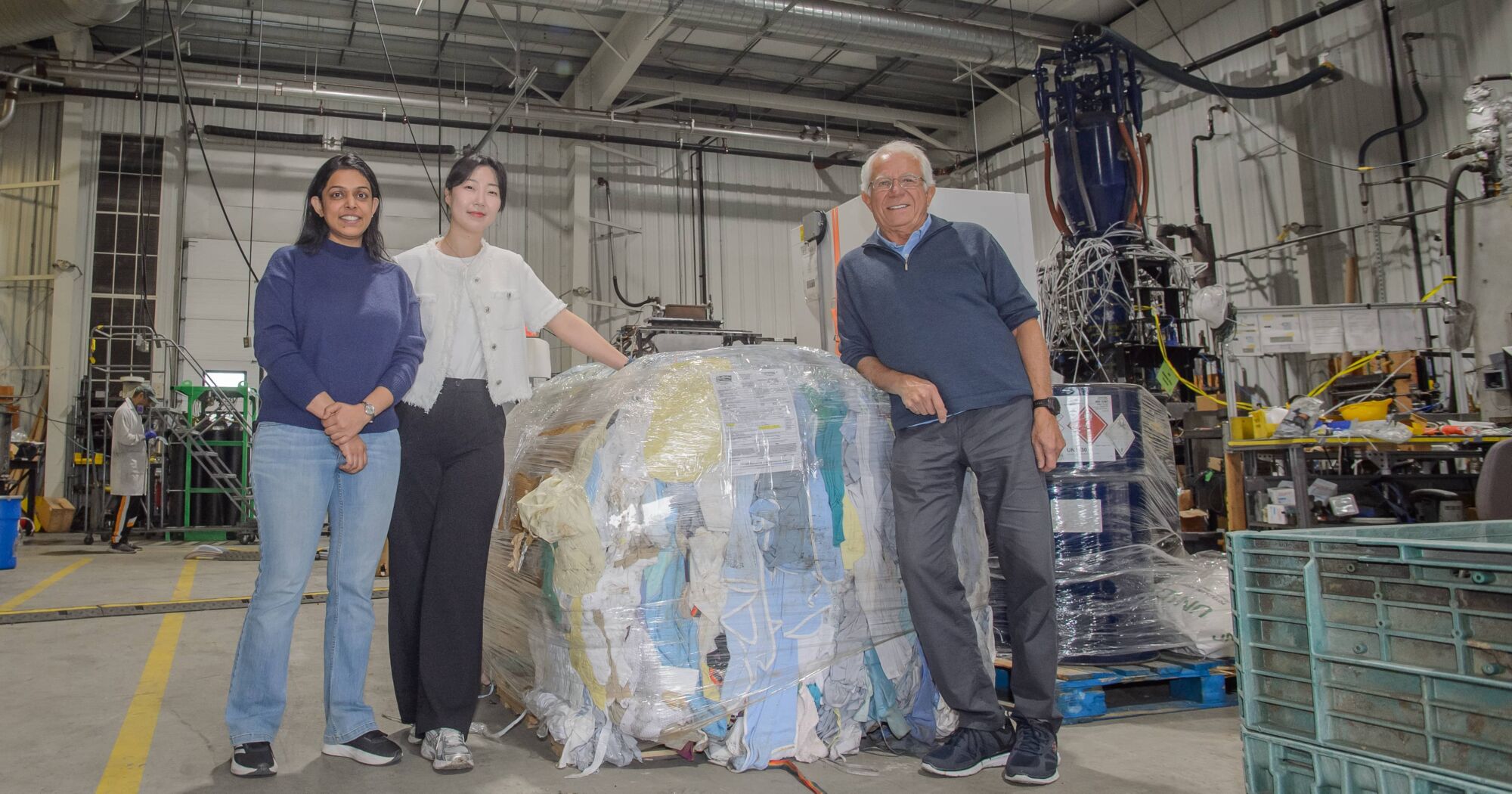
One project, with Western’s Institute for Chemicals and Fuels from Alternative Resources and Fanshawe’s Jennifer Wright, turns textile waste into biochar through pyrolysis. Heejin Lee found that plants can grow better in soil with the textile biochar under optimal conditions. Neha Batta uses enzymes to break natural fabrics into sugars. The team has diverted 5,000 pounds of clothing waste in more than four years and has applied for a federal grant to scale up.

In the other, Western engineering professor Min Xia is developing an AI system with smart cameras that scan and categorize donations on a conveyor belt and signal workers to catch what is missed. He built it to support Goodwill employees, not replace them.

Xia’s team has filmed 18 hours of video to train the system and aims to have it working within the next year.

Sources 1
  1. Original reporting · news.westernu.ca

Share this storyOpen as a single page →

Next · p.45Huntington Society of Canada Research Chair advances innovative approaches to future treatmentPatrick O’Donoghue, inaugural Huntington Society of Canada Research Chair at Schulich, explains how his lab’s work on transfer RNAs could lead to new Huntington’s disease therapies.

Huntington Society of Canada Research Chair advances innovative approaches to future treatment

Patrick O’Donoghue, inaugural Huntington Society of Canada Research Chair at Schulich, explains how his lab’s work on transfer RNAs could lead to new Huntington’s disease therapies.

Huntington Society of Canada Research Chair advances innovative approaches to future treatment. Official Western News image.
Medicine & healthHuntington Society of Canada Research Chair advances innovative approaches to future treatment. Official Western News image.Photo: Western News / official source page

Western and the Huntington Society of Canada created a $3-million endowed research chair in 2023, the first of its kind in North America. Patrick O’Donoghue, who studies how cells build proteins, is the inaugural holder of the chair at Schulich Medicine & Dentistry.

His lab has worked on Huntington’s disease since 2021. A major focus is transfer RNAs, or tRNAs, the molecules that link genetic instructions to the proteins cells make. The idea is that tRNA-based approaches could help correct or suppress errors in protein production, including the toxic huntingtin protein behind the disease.

O’Donoghue says the chair funds a team of seven graduate students and a postdoctoral fellow, along with undergraduate researchers. It also lets him connect students with patients, families and other researchers.

He tells Western News that families can be cautiously optimistic because many therapies are in development or clinical trials. He points to a University of Alabama at Birmingham microRNA therapy that reported a 75 per cent slower disease progression at a high dose after three years.

Sources 1
  1. Original reporting · news.westernu.ca

Share this storyOpen as a single page →

Next · p.46NSERC Discovery Grants for Western researchers: $19MWestern science and engineering researchers received $19 million in NSERC Discovery Grants for 81 projects, announced in Ottawa alongside six equipment grants worth nearly $4 million.

NSERC Discovery Grants for Western researchers: $19M

Western science and engineering researchers received $19 million in NSERC Discovery Grants for 81 projects, announced in Ottawa alongside six equipment grants worth nearly $4 million.

NSERC Discovery Grants for Western researchers: $19M. Official Western News image.
AI, innovation & researchNSERC Discovery Grants for Western researchers: $19M. Official Western News image.Photo: Western News / official source page

Western researchers will pursue 81 projects with $19 million in new Discovery Grants from the Natural Sciences and Engineering Research Council of Canada. The grants were announced on a Tuesday in Ottawa and are typically five years long. Western will receive $3.8 million per year.

The funded work includes protecting species under climate stress, mapping how cells process signals to engineer biosensors, safe hydrogen extraction and storage, better batteries, buildings that withstand severe weather, and AI systems that reduce bias and protect sensitive data.

Penny Pexman, Western’s vice-president (research), said the funding also trains the next generation of researchers. Nationally, Discovery Grants make up $546.4 million of the $630 million NSERC awarded.

Industry Minister Mélanie Joly, who toured the future Pathogen Research Centre at Western Research Parks on July 7, 2026, said investing in researchers helps turn discoveries into technologies and jobs. Western also received six Research Tools and Instruments grants worth nearly $4 million over five years.

Sources 1
  1. Original reporting · news.westernu.ca

Share this storyOpen as a single page →

Next · p.47When research meets the marketA ministerial visit puts medical innovation, commercialization and the path from lab to public benefit in the same frame.

When research meets the market

A ministerial visit puts medical innovation, commercialization and the path from lab to public benefit in the same frame.

Industry Minister Mélanie Joly visits Western, with focus on medical innovation, commercialization. Official Western News image.
Medicine & healthIndustry Minister Mélanie Joly visits Western, with focus on medical innovation, commercialization. Official Western News image.Photo: Western News / official source page

Commercialization is the bridge between a promising result and the people who might eventually use it. The Western visit highlights that the bridge needs researchers, students, institutions, industry partners and public investment.

It is an entrepreneurship story with a wider vocabulary: not just founders and funding, but the patient work of moving evidence into practice.

Sources 1
  1. Original reporting · news.westernu.ca

Share this storyOpen as a single page →

Next · p.48A research partnership with a route to impactWestern's Horizon Europe collaboration shows how international projects can widen the path from evidence to application.

A research partnership with a route to impact

Western's Horizon Europe collaboration shows how international projects can widen the path from evidence to application.

Western prof contributes to Horizon Europe-funded project. Official Western News image.
Business & entrepreneurshipWestern prof contributes to Horizon Europe-funded project. Official Western News image.Photo: Western News / official source page

Entrepreneurial thinking can begin inside research partnerships: define a hard problem, share expertise and build something that can travel beyond one lab or one institution.

The Horizon Europe project belongs in that larger picture of innovation. Its value is not a promise of a product; it is a documented route for collaboration and translation.

Sources 1
  1. Original reporting · news.westernu.ca

Share this storyOpen as a single page →

Next · p.49Western key hub for Horizon Europe-funded project studying disabling chronic illnessWestern is the only non-European partner in DISCOVER-ME, a €7.5 million Horizon Europe project to find biological causes of ME/CFS and speed up treatments.

Western key hub for Horizon Europe-funded project studying disabling chronic illness

Western is the only non-European partner in DISCOVER-ME, a €7.5 million Horizon Europe project to find biological causes of ME/CFS and speed up treatments.

Western key hub for Horizon Europe-funded project studying disabling chronic illness. Official Western News image.
Business & entrepreneurshipWestern key hub for Horizon Europe-funded project studying disabling chronic illness. Official Western News image.Photo: Western News / official source page

Western is the only institution outside Europe in DISCOVER-ME, an international research initiative led by MedUni Vienna and funded through Horizon Europe. It receives €7.5 million, about $12.2 million CAD. The project targets myalgic encephalomyelitis/chronic fatigue syndrome (ME/CFS), which affects an estimated 17 to 24 million people worldwide.

There are no validated laboratory tests or biomarkers for diagnosis. The consortium will collect and analyze data from more than 700 patients and nearly 200 control participants, alongside 2,000 detailed clinical datasets.

Schulich professor Dr. Douglas Fraser and computer science professor Mark Daley, Western’s chief AI officer, will lead Western’s role as a key analytical hub. Blood samples collected across Europe will be analyzed at Western using proteomics, metabolomics, machine learning and AI to look at immune function, metabolism, hormones and mitochondrial activity.

Fraser says the team will bring the framework from its long COVID precision medicine trial to ME/CFS.

Sources 1
  1. Original reporting · news.westernu.ca

Share this storyOpen as a single page →

Next · p.50Western University signs agreement with Dalhousie University to collaborate on AI, defence, research securityWestern and Dalhousie signed a memorandum of understanding in Halifax on June 29 to collaborate on defence, research security, innovation and artificial intelligence.

Western University signs agreement with Dalhousie University to collaborate on AI, defence, research security

Western and Dalhousie signed a memorandum of understanding in Halifax on June 29 to collaborate on defence, research security, innovation and artificial intelligence.

Western University signs agreement with Dalhousie University to collaborate on AI, defence, research security. Official Western News image.
AI, innovation & researchWestern University signs agreement with Dalhousie University to collaborate on AI, defence, research security. Official Western News image.Photo: Western News / official source page

Western President Alan Shepard and Dalhousie President Kim Brooks signed a memorandum of understanding in Halifax on June 29. It signals closer collaboration between the two universities on defence, research security, innovation and artificial intelligence, and builds on joint projects already under way.

The pairing matches Dalhousie’s marine monitoring and coastal research with Western’s geospatial intelligence and space work through the Institute for Earth and Space Exploration, including a satellite-tracking system at four Canadian sites. Together with the University of British Columbia, they are academic partners in the Canadian Defence and Dual-Use Innovation Ecosystem, set up early this year with German submarine builder TKMS.

Western and Dalhousie have produced more than 1,500 joint publications since 2020, mostly health-care research. The agreement also opens access to Dalhousie’s Dal Innovates and Lab2Market accelerators alongside Western’s own entrepreneurial programs.

Shepard said the partnership can accelerate research and support Canadian sovereignty.

Sources 1
  1. Original reporting · news.westernu.ca

Share this storyOpen as a single page →

Next · p.51London researchers recruit for an anorexia trial of fecal microbiota capsulesCo-leads Dr. Elizabeth Osuch and Jeremy Burton will test whether capsules from healthy donors can restore gut bacteria and change how people make food choices.

London researchers recruit for an anorexia trial of fecal microbiota capsules

Co-leads Dr. Elizabeth Osuch and Jeremy Burton will test whether capsules from healthy donors can restore gut bacteria and change how people make food choices.

Microbiologist Jeremy Burton and psychiatrist Dr. Elizabeth Osuch talking in an office
ResearchJeremy Burton and Dr. Elizabeth Osuch.Photo: London Health Sciences Centre Research Institute

A new clinical trial is recruiting people diagnosed with anorexia nervosa to test whether fecal microbiota transplant capsules can help manage the disorder. It is led by researchers at the London Health Sciences Centre Research Institute, the Lawson Research Institute of St. Joseph’s Health Care London and Western, and it has no results yet.

A researcher holds up a white capsule, her face out of focus
ResearchThe study uses tasteless, odourless capsules made from healthy donors’ samples.Photo: Western News

Dr. Elizabeth Osuch, a professor of psychiatry and medical biophysics, and Jeremy Burton, a microbiologist who is interim vice-president research at St. Joseph’s, co-lead the study. They will test whether capsules made from healthy donor stool can restore the gut microbiome, improve nutrition and change how people make food choices.

The Lawson FMT team, led by Dr. Michael Silverman and Seema Nair Parvathy, screens the donors and turns the samples into tasteless, odourless pills customized for this study. Burton said eating disorders can be stubbornly difficult to treat even with therapy, nutritional counselling and medical monitoring.

Sources 1
  1. Original reporting · news.westernu.ca

Share this storyOpen as a single page →

Next · p.52Rosamond and Richard Ivey give to Ivey for a leader character chair and an AI in business chairThe siblings’ gifts, with a $5 million Dean’s Chair Match from the school, total $13 million for faculty, research and teaching.

Rosamond and Richard Ivey give to Ivey for a leader character chair and an AI in business chair

The siblings’ gifts, with a $5 million Dean’s Chair Match from the school, total $13 million for faculty, research and teaching.

Richard and Rosamond Ivey posed together in a studio
Business & InnovationRichard W. Ivey and Rosamond Ivey.Photo: Western News

Rosamond Ivey, HBA’82, LLD’18, and Richard W. Ivey, HBA’72, LLD’13, have made new gifts to Ivey Business School, continuing a family connection of nearly 80 years and three generations. With Ivey’s $5 million Dean’s Chair Match, the investment totals $13 million.

Rosamond directed $2.5 million to a Chair in Leader Character within the Ian O. Ihnatowycz Institute for Leadership and $500,000 to the Western Fund. She says her interest began after reading about Stephen Jarislowsky’s initiative to fund chairs in trust and political leadership and an article about the Institute, which Ian Ihnatowycz, MBA’82, LLD’13, founded after the 2008 financial crisis.

Richard’s $5 million gift creates the Richard W. Ivey Family Chair for AI in Business, with a research and outreach fund, a teaching scholar, postdoctoral fellows and an AI Enhanced Learning Innovation Fund. He wants Ivey to become a thought leader in AI in business. He says Ivey’s case method teaches judgment, persuasion and resilience, areas AI does not reach.

Sources 1
  1. Original reporting · news.westernu.ca

Share this storyOpen as a single page →

Next · p.53Six Western researchers win 2026 Research Excellence Awards, from AI to nuclear wasteThe winners include Yalda Mohsenzadeh on brain-inspired AI, Marlys Koschinsky on lipoprotein(a) and adam patrick bell on accessible music instruments.

Six Western researchers win 2026 Research Excellence Awards, from AI to nuclear waste

The winners include Yalda Mohsenzadeh on brain-inspired AI, Marlys Koschinsky on lipoprotein(a) and adam patrick bell on accessible music instruments.

A grid of six headshots of the 2026 Western Research Excellence Awards recipients
AwardsThe six 2026 Western Research Excellence Awards recipients.Photo: Western News

Western has named six faculty members as recipients of the 2026 Western Research Excellence Awards, in AI, cardiovascular disease, music education, accessibility, nuclear waste management and gender-based violence prevention. Awards are given in three categories: Outstanding Emerging Scholar, Outstanding Scholar and the Hellmuth Prize for Achievement in Research.

Yalda Mohsenzadeh builds brain-inspired AI systems and received the 2025 Ontario Early Researcher Award. Danielle Sirek studies how culture shapes arts education and sings with the JUNO-nominated Canadian Chamber Choir. adam patrick bell, Canada Research Chair in Music, Inclusion and Accessibility, directs the Canadian Accessible Musical Instruments Network.
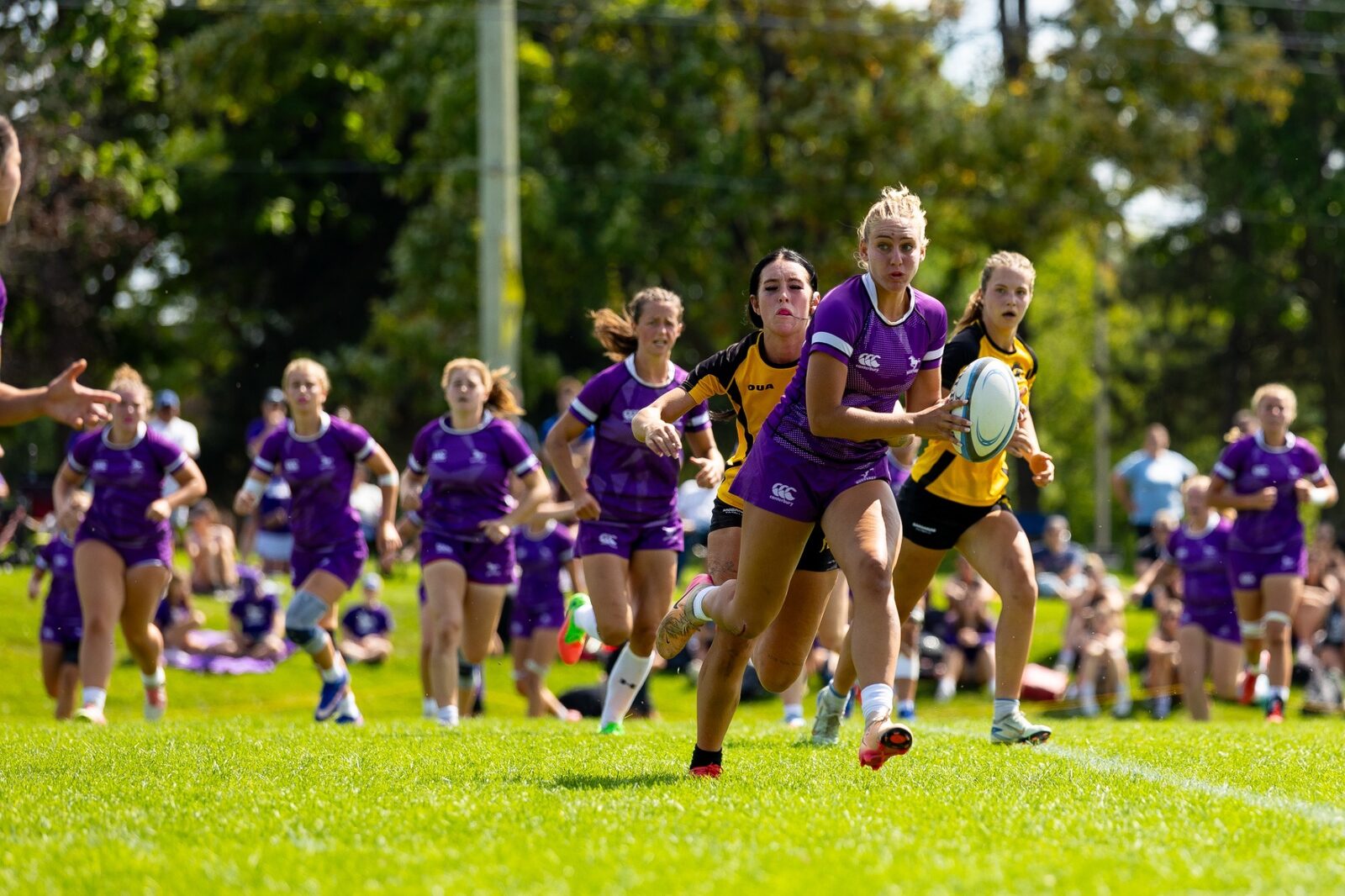
Jamie Noël leads a corrosion research program that supports the safety of nuclear waste storage. Marlys Koschinsky has made foundational discoveries about lipoprotein(a), a cholesterol-carrying particle linked to heart attack and stroke, and her work is informing therapies in advanced clinical trials. Nadine Wathen leads the EQUIP Healthcare program, which offers free tools for trauma- and violence-informed care.

Sources 1
  1. Original reporting · news.westernu.ca

Share this storyOpen as a single page →

Next · p.54Angela Roberts studies SuperAgers, over-80s whose memory matches that of people in their 50sThe Canada Research Chair says purpose and social life matter as much as biology, and that health care and clinical trials need to include people over 80.

Angela Roberts studies SuperAgers, over-80s whose memory matches that of people in their 50s

The Canada Research Chair says purpose and social life matter as much as biology, and that health care and clinical trials need to include people over 80.

Angela Roberts smiling in a patterned top against a purple and black graphic backdrop
ResearchAngela Roberts, from the Impact Project.Photo: Western University Impact Project, via Western Alumni

Angela Roberts, PhD’14, is a principal investigator on the SuperAging Research Initiative and Canada Research Chair in Data Analytics and Digital Health in Cognitive Aging and Dementia. She is a professor in Western’s School of Communication Sciences and Disorders and in computer science. SuperAgers are adults 80 and older whose memory and communication abilities remain as strong as they were at 50.

Biology and DNA play a part, she says, but a meaningful life after 80 is also about attitude. Her examples include a retired machinist with no high school education who started a philosophy circle, schoolteachers who now lead women’s health classes, and people still working as computer science programmers.

She notes that health standards are built for people younger than 80, and that drug and intervention trials often exclude people 80 and older. She hopes the project will change how health systems view older adults. Of the SuperAgers, she says, “These people have changed my life.”

Sources 1
  1. Original reporting · alumni.westernu.ca

Share this storyOpen as a single page →

Next · p.55Hawai‘i serves as model for studying the Moon’s volcanic historyWestern planetary scientist Catherine Neish and PhD candidate Sashank Vanga used Hawai‘i lava flows in June to help interpret NASA orbital radar data of the Moon.

Hawai‘i serves as model for studying the Moon’s volcanic history

Western planetary scientist Catherine Neish and PhD candidate Sashank Vanga used Hawai‘i lava flows in June to help interpret NASA orbital radar data of the Moon.

Hawai‘i serves as model for studying the Moon’s volcanic history. Official Western News image.
Ideas & societyHawai‘i serves as model for studying the Moon’s volcanic history. Official Western News image.Photo: Western News / official source page

Catherine Neish, a Western professor of Earth sciences, and PhD candidate Sashank Vanga travelled to Hawai‘i Volcanoes National Park in June to study lava flows that can shed light on the Moon’s volcanic past. Both are on the science team for the Mini-RF radar instrument aboard NASA’s Lunar Reconnaissance Orbiter, which launched in 2009.

Rough Hawaiian lava creates radar signatures similar to those seen on the Moon. Using a backpack-mounted LiDAR system, the team mapped the surface in fine detail, to the centimetre scale, and compared the measurements with radar observations from the orbiter.

Neish says working on a landscape whose geology is known helps researchers interpret what the Moon’s radar images show. Mini-RF was originally designed to search for water ice in permanently shadowed regions, and its data now also help study volcanism and impact cratering.

Vanga, a member of Neish’s lab for four years, says the field work helps improve the tools used to explore other worlds, ahead of NASA’s Artemis missions.

Sources 1
  1. Original reporting · news.westernu.ca

Share this storyOpen as a single page →

Next · p.56Expert insight: Digital safety researchers find most teens see violence online – without seeking it outA Western-based survey of more than 1,000 Canadian teens found 85 per cent had seen online violence or gore, and most had not looked for it.

Expert insight: Digital safety researchers find most teens see violence online – without seeking it out

A Western-based survey of more than 1,000 Canadian teens found 85 per cent had seen online violence or gore, and most had not looked for it.

Expert insight: Digital safety researchers find most teens see violence online – without seeking it out. Official Western News image.
AI, innovation & researchExpert insight: Digital safety researchers find most teens see violence online – without seeking it out. Official Western News image.Photo: Western News / official source page

Researchers at DIY: Digital Safety, a Western-based project, worked with the Canadian Centre for Child Protection in early 2026 to survey more than 1,000 Canadian teens aged 13 to 18. The authors, including Western postdoctoral fellows Charlotte Nau and Christopher Dietzel and Canada Research Chair Kaitlynn Mendes, wrote up the findings in The Conversation, republished here.

Eighty-five per cent had seen at least one type of violent or gory content online, and half had seen footage of Charlie Kirk’s death. Teens mostly saw it on YouTube (44 per cent) and TikTok (42 per cent). Only seven per cent had searched for it, and 69 per cent wanted to see less.

Only 11 per cent used reporting tools. One in three who did not report said they did not know how.

The authors urge platforms to stop amplifying such content and to turn off autoplay. They note that Canada’s proposed Bill C-34, the Safe Social Media Act, would require digital safety plans, though enforcement is unclear.

Sources 1
  1. Original reporting · news.westernu.ca

Share this storyOpen as a single page →

Next · p.57Expert insight: World Cup video review controversies show why human referees still matterWestern Olympic-studies researchers use two contested 2026 World Cup video reviews to argue that referees should be clear about where a reviewable incident begins and ends.

Expert insight: World Cup video review controversies show why human referees still matter

Western Olympic-studies researchers use two contested 2026 World Cup video reviews to argue that referees should be clear about where a reviewable incident begins and ends.

Expert insight: World Cup video review controversies show why human referees still matter. Official Western News image.
Sport & alumniExpert insight: World Cup video review controversies show why human referees still matter. Official Western News image.Photo: Western News / official source page

Two contested decisions at the 2026 World Cup led Angela Schneider, director of Western’s International Centre for Olympic Studies, and research associate Guanpeng Zhou to ask how far back a video review should reach. Their commentary first ran in The Conversation and is republished by Western News.

In the round of 16, a review cancelled Egypt’s second goal against Argentina over a foot-stepping incident 17 seconds earlier and more than 80 metres away. Argentina won 3-2. In the quarterfinal, Norway’s goal against England was cancelled after a review of Erling Haaland pushing Elliot Anderson as a corner was taken. Norway lost 2-1 after extra time.

The authors do not say either call was wrong. They say the hard part is defining the incident under review. They cite a study of 88 elite referees from five countries that found slow motion produced more severe sanctions than normal speed.

They propose that the referee’s on-field call set what gets reviewed, and that FIFA publish post-match notes explaining the timing and threshold of consequential reviews. They also suggest judging intensity at normal speed.

Sources 1
  1. Original reporting · news.westernu.ca

Share this storyOpen as a single page →

Next · p.58Expert insight: Crafting AI prompts builds descriptive writing skillsComparative literature PhD candidate Lei Yu argues that writing prompts for image generators revives the descriptive craft of modernist novelists.

Expert insight: Crafting AI prompts builds descriptive writing skills

Comparative literature PhD candidate Lei Yu argues that writing prompts for image generators revives the descriptive craft of modernist novelists.

Expert insight: Crafting AI prompts builds descriptive writing skills. Official Western News image.
AI, innovation & researchExpert insight: Crafting AI prompts builds descriptive writing skills. Official Western News image.Photo: Western News / official source page

Lei Yu, a PhD candidate in comparative literature at Western, argues that anyone fine-tuning a prompt for an image generator such as Midjourney is practising an old literary skill: turning a mental picture or a mood into precise language. The essay first ran in The Conversation and is republished by Western News.

Yu draws on literary scholar Dora Zhang’s book Strange Likeness. When photography and cinema captured surfaces faster than prose could, Zhang argues, modernist writers such as Henry James, Marcel Proust and Virginia Woolf turned to atmosphere, sensation and mood. Earlier realists like Balzac and Dickens had described rooms and streets in exhaustive detail.

Generative AI, Yu says, has reversed that history. Users must now describe objects and also the diffuse quality internet culture calls a vibe, so prompt writing combines realist description with modernist evocation.

Yu concludes that AI has not ended writing and has instead spread one of its oldest skills across everyday life.

Sources 1
  1. Original reporting · news.westernu.ca

Share this storyOpen as a single page →

Next · p.59Plant trees where ecosystems can thriveClimate action works better when restoration respects the landscape already there.

Western in numbers

Western University / In numbersChart 03

A global alumni network

The Alumni Association strategic-plan snapshot names 286,104 alumni across 150+ countries.

United States9,953
China / HK2,907
Caribbean1,157
United Kingdom961
Australia / NZ579
Singapore346

Values · shared zero baseline

Source: Western Alumni Association strategic plan

Selected regions named in the plan; values are not exhaustive and should not be summed as a complete world total.

View values as a table
CategoryValue
United States9,953
China / HK2,907
Caribbean1,157
United Kingdom961
Australia / NZ579
Singapore346

Western University / In numbersChart 04

An issue in five movements

The frozen source inventory arrives in distinct bursts rather than one uniform stream.

Jul 1–1410
Jul 15–3115
Aug 1–1411
Aug 15–3112
Sep 1–1917

Values · shared zero baseline

Source: Western News monthly source inventory

Derived from the 65 selected source records in this issue; not a measure of news volume or institutional performance.

View values as a table
CategoryValue
Jul 1–1410
Jul 15–3115
Aug 1–1411
Aug 15–3112
Sep 1–1917

Western University / In numbersChart 05

Photos make the issue breathe

The monthly digest uses official photography to alternate evidence with atmosphere.

Story photos65
Photo-led records3
Chart / poster art8

Values · shared zero baseline

Source: Western News photo coverage

Editorial image inventory for this local review edition; not a count of all Western photography.

View values as a table
CategoryValue
Story photos65
Photo-led records3
Chart / poster art8

Chapter 04

Climate & Environment

Land, water, energy and the species that depend on them.

3 stories

Plant trees where ecosystems can thrive

Climate action works better when restoration respects the landscape already there.

Planting trees in drylands is not always a climate solution. Official Western News image.
AI, innovation & researchPlanting trees in drylands is not always a climate solution. Official Western News image.Photo: Western News / official source page

Western research asks a basic question of a popular solution: what happens when tree planting is treated as a universal answer? Drylands and grasslands have their own ecological logic, and restoring them means recognizing it.

The story is a useful reminder for alumni working across science, policy and community life: a good intervention begins with the place, not the slogan.

Sources 1
  1. Original reporting · news.westernu.ca

Share this storyOpen as a single page →

Next · p.60A lagoon as a living laboratoryWestern researchers use Venice to study how climate change changes the relationship between water, infrastructure and daily life.

A lagoon as a living laboratory

Western researchers use Venice to study how climate change changes the relationship between water, infrastructure and daily life.

Venice Lagoon living lab for studying climate change. Official Western News image.
AI, innovation & researchVenice Lagoon living lab for studying climate change. Official Western News image.Photo: Western News / official source page

The Venice Lagoon is both a place and a question. It shows how climate risk arrives through tides, buildings, economies and the routines that make a city feel normal.

Western's living-lab approach keeps the research grounded in observation: understand the system, listen to the people inside it and design for the conditions that are actually coming.

Sources 1
  1. Original reporting · news.westernu.ca

Share this storyOpen as a single page →

Next · p.61Western researchers join international efforts to understand aviation’s climate impactWestern’s Global Meteor Network, more than 1,400 cameras built to spot meteors, will now also observe aircraft contrails in a Horizon Europe climate project.

Western researchers join international efforts to understand aviation’s climate impact

Western’s Global Meteor Network, more than 1,400 cameras built to spot meteors, will now also observe aircraft contrails in a Horizon Europe climate project.

Western researchers join international efforts to understand aviation’s climate impact. Official Western News image.
AI, innovation & researchWestern researchers join international efforts to understand aviation’s climate impact. Official Western News image.Photo: Western News / official source page

Western researchers are joining E-CONTRAIL 2, an international project led by Manuel Soler at Charles III University of Madrid and funded through Horizon Europe. The project receives €999,982.50, about $1.6 million CAD, to improve understanding of how aircraft contrails affect climate.

Research scientist Denis Vida and PhD candidate Emily Tracey will supply observations from the Global Meteor Network, which Vida created. It has more than 1,400 ground-based cameras and is being dual-purposed to watch contrails around the world.

That data will sit beside satellite, LiDAR and radar measurements to build a multi-sensor dataset that can validate contrail prediction models. Vida’s team, including Tracey and four more Western students, uses physics-informed AI to improve detection and tracking.

Aviation accounts for roughly two to three per cent of global carbon dioxide emissions, and contrails add uncertain further effects. Better prediction could support ways to reduce aviation’s climate impact.

Sources 1
  1. Original reporting · news.westernu.ca

Share this storyOpen as a single page →

Next · p.62Music's next chapter, with Sophie RolandA scholar, mezzo-soprano and educator takes the Don Wright Faculty of Music into a new five-year term.

Chapter 05

Arts & Culture

Books, stages, studios and the people making them.

8 stories

Music's next chapter, with Sophie Roland

A scholar, mezzo-soprano and educator takes the Don Wright Faculty of Music into a new five-year term.

Sophie Roland named Faculty of Music dean. Official Western News image.
Campus & cultureSophie Roland named Faculty of Music dean. Official Western News image.Photo: Western News / official source page

Sophie Roland arrives at the dean's office with a life that crosses performance, scholarship and teaching. That mix gives the Faculty of Music a leader who can speak to both the stage and the institution around it.

For alumni, the appointment is less a change of title than an invitation to watch how a creative discipline makes room for its next chapter.

Sources 1
  1. Original reporting · news.westernu.ca

Share this storyOpen as a single page →

Next · p.63The careful way backWestern experts help families and schools treat concussion recovery as a return-to-life process, not a race to resume play.

The careful way back

Western experts help families and schools treat concussion recovery as a return-to-life process, not a race to resume play.

Seeking safe return to school, sports after teen concussions. Official Western News image.
Medicine & healthSeeking safe return to school, sports after teen concussions. Official Western News image.Photo: Western News / official source page

A safe return after concussion depends on observation, patience and a willingness to adjust the plan. The Western guidance brings sports, school and family routines into the same conversation.

That practical framing matters beyond the clinic: recovery is easier to support when the people around a young person know what to watch and when to slow down.

Sources 1
  1. Original reporting · news.westernu.ca

Share this storyOpen as a single page →

Next · p.64Welcome is a designed experienceThe 2026 OWeek program turns arrival into a sequence of invitations, rituals and first connections.

Welcome is a designed experience

The 2026 OWeek program turns arrival into a sequence of invitations, rituals and first connections.

Welcome back, Western: Celebrating OWeek 2026. Official Western News image.
Campus & cultureWelcome back, Western: Celebrating OWeek 2026. Official Western News image.Photo: Western News / official source page

A welcome does not happen in one speech. It is assembled through the people who point the way, the activities that make conversation easier and the traditions that give a new cohort a shared beginning.

Western's OWeek coverage makes that infrastructure visible just as the year starts.

Sources 1
  1. Original reporting · news.westernu.ca

Share this storyOpen as a single page →

Next · p.65Designing movement for more peopleAdaptAbility brings accessible sport and exercise activities into a platform that lets more people find a way in.

Designing movement for more people

AdaptAbility brings accessible sport and exercise activities into a platform that lets more people find a way in.

AdaptAbility shows accessible sport, exercise activities. Official Western News image.
Sport & alumniAdaptAbility shows accessible sport, exercise activities. Official Western News image.Photo: Western News / official source page

Access is not a final feature added after the activity is designed. AdaptAbility starts with the range of bodies, abilities and environments that make movement possible.

The platform is a useful example of Western work that joins research to everyday participation: the measure of an idea is whether more people can actually use it.

Sources 1
  1. Original reporting · news.westernu.ca

Share this storyOpen as a single page →

Next · p.66Allison O’Connor, founder of an inclusive music studio, joins the Wall of FameThe longtime music teacher founded Dreams Come True Music Studio in 2018 for people of all ages and abilities and is a 2026 Wall of Fame inductee.

Allison O’Connor, founder of an inclusive music studio, joins the Wall of Fame

The longtime music teacher founded Dreams Come True Music Studio in 2018 for people of all ages and abilities and is a 2026 Wall of Fame inductee.

Allison O’Connor smiling in a dark top against a black backdrop
Arts & CultureAllison O’Connor, 2026 inductee to the music Alumni Wall of Fame.Photo: Western Alumni

Allison O’Connor taught music for more than 30 years, and her approach was to bring whole school communities in, with staff choirs and school productions open to students of every age and ability. She is a 2026 inductee to the music Alumni Wall of Fame, to be honoured at the Alumni Awards Celebration during Homecoming on September 26.

In 2018 she founded Dreams Come True Music Studio, an inclusive studio for people of all ages and abilities. It presents two musical theatre productions and a summer showcase each year, and has performed at the Forest City Film Festival and sung the national anthem for the London Knights, FC London and Special Olympics London.

Her teaching has drawn the TVDSB Award of Distinction (2005), the Coaching to Inclusion Award (2019) and the Tyler Connolly Family Award from Community Living London (2020). A music award in her name is given each year at Bonaventure Meadows Public School. The studio was also the subject of Dr. Caroline Blumer’s 2023 doctoral dissertation at Western.

Sources 1
  1. Original reporting · alumni.westernu.ca

Share this storyOpen as a single page →

Next · p.67Novelist Lisa Ko begins as Western’s writer-in-residenceThe author of The Leavers and Memory Piece will run public workshops at Western and London’s Central Library and hold appointments on Tuesdays this fall and winter.

Novelist Lisa Ko begins as Western’s writer-in-residence

The author of The Leavers and Memory Piece will run public workshops at Western and London’s Central Library and hold appointments on Tuesdays this fall and winter.

Lisa Ko in glasses and a grey blazer in front of dark metal and brick
Arts & CultureLisa Ko, Western’s 2026-27 writer-in-residence.Photo: Western News

Lisa Ko, a novelist from New York, is Western’s 2026-27 writer-in-residence. Her novels include The Leavers, winner of the 2017 PEN/Bellwether Prize and a National Book Award finalist, and Memory Piece, named one of Barack Obama’s favourite books of summer 2024.

She holds a master of fine arts in creative writing and a master of library and information science, and has taught at the City University of New York and the University of Toronto School of Continuing Studies. Her approach is non-prescriptive: she looks at how each writer’s life stage, experience and curiosity shape a story.

Western has had a writer-in-residence since 1972, one of the longest-running programs of its kind in Canada, run with the London Public Library. Ko will arrange public workshops at Western and the Central Library branch, and appointments with her are open to Western and London community members on Tuesdays through the fall and winter terms. The source does not list workshop dates.

Sources 1
  1. Original reporting · news.westernu.ca

Share this storyOpen as a single page →

Next · p.68Betsy Reilly runs Dolly Parton’s Imagination Library of LondonThe Western education instructor leads the local book-gifting chapter, which mails a free book each month to children from birth to age five.

Betsy Reilly runs Dolly Parton’s Imagination Library of London

The Western education instructor leads the local book-gifting chapter, which mails a free book each month to children from birth to age five.

Students seated around a table with children’s books in a classroom
Campus LifeTeacher candidates with books from Dolly Parton’s Imagination Library.Photo: Western News

Betsy Reilly, an instructor in Western’s bachelor of education program, runs Dolly Parton’s Imagination Library of London. The program, started by the late singer, mails a free book each month to children from birth until they turn five and has sent more than 300 million books worldwide. After Parton’s death, hundreds of new London families registered.

The local chapter is one of more than 400 affiliates of the Dollywood Foundation of Canada. Children receive up to 60 books over five years, 80 per cent of them Canadian publications, with a dual-language Indigenous book each year. Books cost $3.85 each plus postage, and the program sits within the London Community Foundation so every donated cent goes to books and mailing.

Reilly taught primary grades with the Thames Valley District School Board before joining Western, where she teaches language arts to future teachers. The program held a fundraising day on September 25, a nod to Parton’s song 9 to 5.

Sources 1
  1. Original reporting · news.westernu.ca

Share this storyOpen as a single page →

Next · p.69Every map makes a choiceWestern's map conversation is a reminder that the tool should follow the question, not the other way around.

Every map makes a choice

Western's map conversation is a reminder that the tool should follow the question, not the other way around.

Why the Mercator map projection doesn't work for all. Official Western News image.
Campus & cultureWhy the Mercator map projection doesn't work for all. Official Western News image.Photo: Western News / official source page

A map can look authoritative while quietly shaping what viewers think is near, large or important. The discussion of Mercator and Equal Earth makes that design choice visible.

That is the larger lesson: tools do not simply carry information. They frame the world, and the frame deserves to be questioned.

Sources 1
  1. Original reporting · news.westernu.ca

Share this storyOpen as a single page →

Next · p.70When scholarship changes the lawWestern scholars helped shape a landmark intimate-partner-violence ruling by bringing research into the legal record.

Western in numbers

Western University / In numbersChart 06

The issue has several doors in

Research, people, campus and public impact share the same Western frame.

AI, innovation / research12
Campus / culture8
Ideas / society17
Business / entrepreneurship8
Medicine / health15
Sport / alumni5

Values · shared zero baseline

Source: Western News selected issue inventory

Counts reflect this issue's selected records and the source sections assigned during deterministic editorial preparation.

View values as a table
CategoryValue
AI, innovation / research12
Campus / culture8
Ideas / society17
Business / entrepreneurship8
Medicine / health15
Sport / alumni5

Chapter 06

Society & Policy

Law, economics and public life, argued with evidence.

7 stories

When scholarship changes the law

Western scholars helped shape a landmark intimate-partner-violence ruling by bringing research into the legal record.
Scholars shape landmark intimate partner violence ruling. Official Western News image.
Ideas & societyScholars shape landmark intimate partner violence ruling. Official Western News image.Photo: Western News / official source page

Research has a different kind of afterlife when it enters a courtroom. The Western scholars behind this work helped make lived experience and evidence harder to dismiss in a legal setting.

It is a clear example of public scholarship: the work travels beyond campus, changes the terms of a decision and leaves a trace in the institutions that follow.

Sources 1
  1. Original reporting · news.westernu.ca

Share this storyOpen as a single page →

Next · p.71Law moves closer to the peopleWestern's Community Legal Services relocates downtown, bringing practical legal education and support closer to the community it serves.

Law moves closer to the people

Western's Community Legal Services relocates downtown, bringing practical legal education and support closer to the community it serves.

Western's Community Legal Services moves downtown. Official Western News image.
Ideas & societyWestern's Community Legal Services moves downtown. Official Western News image.Photo: Western News / official source page

A downtown location changes the distance between a law school and the public. Students learn through real questions, while community members gain a clearer route to help.

The move makes service part of the curriculum in the best sense: knowledge becomes more accountable when it has to meet a person where they are.

Sources 1
  1. Original reporting · news.westernu.ca

Share this storyOpen as a single page →

Next · p.72Special constable Jonathan Jamieson designed a Medicine Wheel patch for Western officersThe Indigenous member of the Western Special Constable Service created the patch to open dialogue with Indigenous communities; it will be worn on days of recognition.

Special constable Jonathan Jamieson designed a Medicine Wheel patch for Western officers

The Indigenous member of the Western Special Constable Service created the patch to open dialogue with Indigenous communities; it will be worn on days of recognition.

A Western special constable in a cap holds up a round uniform patch, face out of focus
Campus LifeA Western special constable holds the new uniform patch.Photo: Western News

Jonathan Jamieson, an Indigenous special constable who joined the Western Special Constable Service in 2024, designed a uniform patch that members will now wear on days of recognition for Indigenous communities. The idea came to him during an overnight shift. The design draws on the Medicine Wheel, shown as four quadrants of white, yellow, red and black.

The patch will be worn on the National Day for Truth and Reconciliation, during Treaty Week in November, on Red Dress Day on May 5 and through Indigenous History Month in June. Jamieson said he wants to build trust, because some people do not report concerns to campus police out of mistrust.

Jamieson was raised by his grandmother and, after her death when he was 16, went through instability that included bouts of homelessness. He studied police foundations at Fanshawe College and hopes to become a coach officer and sergeant. Bill Chantler, director of Campus Safety and Emergency Services, said the service is proud of him.

Sources 1
  1. Original reporting · news.westernu.ca

Share this storyOpen as a single page →

Next · p.73Zack Taylor’s Local Democracy Project profiles the typical Ontario council candidateThe political scientist says nearly 900 survey responses show candidates skew older, wealthier and more often male than the residents they hope to represent.

Zack Taylor’s Local Democracy Project profiles the typical Ontario council candidate

The political scientist says nearly 900 survey responses show candidates skew older, wealthier and more often male than the residents they hope to represent.

A man in glasses and a dark jacket in front of a colourful election map
Society & PolicyZack Taylor.Photo: Western News

Zack Taylor, a political science professor at Western, leads the Local Democracy Project with colleague Martin Horak and partners at INRS-Urbanisation in Montréal and Dalhousie University. The SSHRC-funded project has surveyed municipal candidates across Canada since 2022. Ontario votes on October 26, and a survey has just gone out in British Columbia, where elections are set for October 17.

Among almost 900 Ontario candidates who responded this year, the most common first name is John. About a quarter had run before, mostly incumbents. About 57 per cent identify as male and 37 per cent as female, and the average age is 56. Over half have a university degree and household income above $100,000, and over four in five are homeowners.

Nearly half of respondents finance their campaigns entirely themselves, and almost 75 per cent expect to pay at least half of the cost out of pocket. The median estimated campaign cost is $2,600. Taylor cautions that the results cover only people who responded, so the group may not be fully representative.

Sources 1
  1. Original reporting · news.westernu.ca

Share this storyOpen as a single page →

Next · p.74An alum's public-service arc returns to campusMitch Frazer, LLB'99, brings a career in law, public institutions and community leadership back to fall convocation.

An alum's public-service arc returns to campus

Mitch Frazer, LLB'99, brings a career in law, public institutions and community leadership back to fall convocation.

Western honorary degree recipient Mitch Frazer. Official Western News image.
Ideas & societyWestern honorary degree recipient Mitch Frazer. Official Western News image.Photo: Western News / official source page

Mitch Frazer's Western story does not end at graduation. His work has moved through legal practice, public service and the responsibilities that come with helping institutions make decisions in public.

An honorary degree turns that long arc into a campus moment, but the more interesting part is the continuity: what an education keeps doing after the ceremony is over.

Sources 1
  1. Original reporting · news.westernu.ca

Share this storyOpen as a single page →

Next · p.75Expert insight: Ukraine drone strikes are affecting Russia, but Putin remains committed to warWestern historian Oleksa Drachewych argues Ukrainian drone strikes strain Russia’s fuel supply and public mood, but he does not expect Putin’s regime or the war to end soon.

Expert insight: Ukraine drone strikes are affecting Russia, but Putin remains committed to war

Western historian Oleksa Drachewych argues Ukrainian drone strikes strain Russia’s fuel supply and public mood, but he does not expect Putin’s regime or the war to end soon.

Expert insight: Ukraine drone strikes are affecting Russia, but Putin remains committed to war. Official Western News image.
Ideas & societyExpert insight: Ukraine drone strikes are affecting Russia, but Putin remains committed to war. Official Western News image.Photo: Western News / official source page

Oleksa Drachewych, an assistant professor of history at Western, writes that Ukraine’s drone strikes deeper into Russia and Crimea, which Volodymyr Zelenskyy calls long-range sanctions, are producing fuel shortages and higher fuel prices in Russia. His commentary first ran in The Conversation.

Public opinion polls in Russia suggest cracks in support for the war, and Crimea has seen fuel and grocery shortages. Drachewych says it would still be premature to expect Putin’s regime to fall. Putin has signed a law expanding the military, and the Kremlin still insists on its long-term demands, including control of occupied territory.

He notes the strikes may have shifted U.S. attitudes. Donald Trump appeared to agree to give Ukraine a license to produce Patriot missiles, though Drachewych calls that short of what Ukraine wanted.

His conclusion is that peace remains unlikely, while the strikes boost Ukrainian morale.

Sources 1
  1. Original reporting · news.westernu.ca

Share this storyOpen as a single page →

Next · p.76Western’s free legal clinic plans a late-December move closer to the London courthouseCommunity Legal Services, where law students handled more than 600 cases and consultations last year, will relocate to Fanshawe College’s downtown building.

Western’s free legal clinic plans a late-December move closer to the London courthouse

Community Legal Services, where law students handled more than 600 cases and consultations last year, will relocate to Fanshawe College’s downtown building.

The glass-fronted building on Dundas Street in London that will house the clinic
Campus LifeThe downtown location, as shown with the London Free Press story.Photo: London Free Press

Community Legal Services, the free clinic run by Western’s Faculty of Law, expects to move in late December to the fifth floor of Fanshawe College’s Howard W. Rundle Building on Dundas Street. Western president Alan Shepard and Fanshawe president Peter Devlin signed the lease on Monday. Until renovations finish, the clinic keeps operating from the Josephine Spencer Niblett Law Building on campus.

The new location is closer to the London courthouse, which officials say should make help easier to reach for low-income and marginalized people in London and Middlesex County. Law students gain hands-on experience with criminal law, small claims up to $50,000, tenant and housing disputes, provincial offences and family law. In 2025-26 they took on more than 600 cases and consultations.

Ryan McCarthy, an articling student at the clinic, began as an administrative assistant before applying to law school. He says even a simple housing issue can snowball and affect people for the rest of their lives.

Sources 1
  1. Original reporting · lfpress.com

Share this storyOpen as a single page →

Next · p.77Purple and proud, in motionOWeek turns the first days of term into a shared vocabulary of welcome, play and service.

Western in numbers

Western University / In numbersChart 07

The campus has an outward edge

Global stories in the issue connect Western people and questions to places beyond London.

Global photo story1
Venice climate lab1
Alumni plan snapshot1
Other local frames62

Values · shared zero baseline

Source: Around the world with Western in 2026

Illustrative editorial index of global-facing items selected for this issue; not a mobility or engagement statistic.

View values as a table
CategoryValue
Global photo story1
Venice climate lab1
Alumni plan snapshot1
Other local frames62

Chapter 07

Campus Life

The rooms, teams and routines students will remember.

22 stories

Purple and proud, in motion

OWeek turns the first days of term into a shared vocabulary of welcome, play and service.

In photos: Western University's OWeek 2026. Official Western News image.
Campus & cultureIn photos: Western University's OWeek 2026. Official Western News image.Photo: Western News / official source page

The first days of a university year are made from small signals: a route across campus, a new name remembered, a team finding its rhythm. Western's OWeek photographs hold those signals in motion.

For alumni, the images are a reminder that belonging is not an abstract value. It is built through repeated invitations to take part.

Sources 1
  1. Original reporting · news.westernu.ca

Share this storyOpen as a single page →

Next · p.78The syllabus can still surprise youA tour of Western courses shows how curiosity finds its way into unexpected corners of the timetable.

The syllabus can still surprise you

A tour of Western courses shows how curiosity finds its way into unexpected corners of the timetable.

Cool, unique courses at Western University. Official Western News image.
Campus & cultureCool, unique courses at Western University. Official Western News image.Photo: Western News / official source page

Some of the most memorable learning begins with a course title that does not sound like a requirement. Western's cool-courses list gives students permission to follow a question before they know where it will lead.

For alumni, it is a familiar university promise in a current form: there is always one more subject capable of changing the shape of a week.

Sources 1
  1. Original reporting · news.westernu.ca

Share this storyOpen as a single page →

Next · p.79The campus keeps moving outwardWestern's global photo story follows learning, exchange and collaboration beyond London.

The campus keeps moving outward

Western's global photo story follows learning, exchange and collaboration beyond London.

Around the world with Western in 2026. Official Western News image.
Campus & cultureAround the world with Western in 2026. Official Western News image.Photo: Western News / official source page

A university becomes more than a place when its people carry questions elsewhere. These photographs connect Western to field sites, partner communities and the ordinary logistics of learning across borders.

The result is not a claim that travel alone creates impact. It is a visual record of the relationships and work that make global education concrete.

Sources 1
  1. Original reporting · news.westernu.ca

Share this storyOpen as a single page →

Next · p.80Schulich students aim to tackle rise in e-scooter injuries among youthSchulich medical students turned a course project into a London, Ont. campaign after Children’s Hospital treated 58 e-scooter injuries from April to June, up from 22.

Schulich students aim to tackle rise in e-scooter injuries among youth

Schulich medical students turned a course project into a London, Ont. campaign after Children’s Hospital treated 58 e-scooter injuries from April to June, up from 22.

Schulich students aim to tackle rise in e-scooter injuries among youth. Official Western News image.
Ideas & societySchulich students aim to tackle rise in e-scooter injuries among youth. Official Western News image.Photo: Western News / official source page

A team of second-year Schulich medical students built an e-scooter injury prevention project for youth in London, Ont. in an experiential learning course that ended in April. Half the group kept working through the summer, including Nikita Burman, Ethan Martin, Joseph Russell, Ojan Khosravifar and Eden Kemal. Paediatrics professors Dr. Sheena Belisle and Dr. Jennifer Kilgar supervised.

Belisle proposed the topic after seeing more e-scooter injuries in the emergency department. London Health Sciences Centre reported that Children’s Hospital treated 58 such injuries between April and June, against 22 in the same months a year earlier.

The students surveyed about 150 people, mostly in the emergency department. Only 39 per cent knew the minimum age to ride in Ontario is 16, and only 15 per cent knew riders under 18 must wear helmets.

They have produced a public education poster and hope it helps cut e-scooter injuries at Children’s Hospital’s emergency department by 10 per cent by October. Three of them presented the project in Hamburg in June.

Sources 1
  1. Original reporting · news.westernu.ca

Share this storyOpen as a single page →

Next · p.81Leadership program inspires Schulich Dentistry studentsSchulich Dentistry students Muntdr Madlol and Zahra Danaei were the only Canadians in a six-month American dental leadership program and say it sharpened how they plan to lead.

Leadership program inspires Schulich Dentistry students

Schulich Dentistry students Muntdr Madlol and Zahra Danaei were the only Canadians in a six-month American dental leadership program and say it sharpened how they plan to lead.

Leadership program inspires Schulich Dentistry students. Official Western News image.
Medicine & healthLeadership program inspires Schulich Dentistry students. Official Western News image.Photo: Western News / official source page

Muntdr Madlol and Zahra Danaei, both Schulich Dentistry students, recently finished the American Dental Education Association’s Student Leaders for Social Change program. Selected through a competitive process, they were the only Canadians in the opening session in Montreal. The six months included two in-person conferences and several virtual sessions on access to care, ethics, patient advocacy and professional leadership.

Madlol, DDS Class of 2028, has served as class president and held roles with the Federation of Canadian Dental Student Associations and the Student Professionalism and Ethics Association. He also raised more than $24,000 for health-care workers by racing an Ironman 70.3 in medical scrubs. The program helped him link leadership to patient education, including countering misinformation online.

Danaei, DDS Class of 2027, says she once tied leadership to titles and now sees it as commitment and action. She writes ethics case scenarios for the Royal College of Dental Surgeons of Ontario.

She is also working with an instructor to give dental students more hands-on practice in accessible care for patients with disabilities.

Sources 1
  1. Original reporting · news.westernu.ca

Share this storyOpen as a single page →

Next · p.82Foreign credential recognition: My grandfather’s storyPhD student Kaya M. Anderson uses her grandfather’s 1974 Ontario credential letter to examine how Canada undervalues the qualifications of internationally educated immigrants.

Foreign credential recognition: My grandfather’s story

PhD student Kaya M. Anderson uses her grandfather’s 1974 Ontario credential letter to examine how Canada undervalues the qualifications of internationally educated immigrants.

Foreign credential recognition: My grandfather’s story. Official Western News image.
Ideas & societyForeign credential recognition: My grandfather’s story. Official Western News image.Photo: Western News / official source page

When Kaya M. Anderson, a Western PhD student, told her grandfather she had been accepted into a PhD program, he brought out a black briefcase holding a 1974 letter from Ontario’s Ministry of Education. It said his Philippine degree in radio and electronics engineering was equivalent only to Ontario’s Grade 13. He kept it for more than 50 years. Her essay first ran in The Conversation.

He immigrated in 1973 and her grandmother, a nurse, followed. Retraining as an engineer would have taken too long and cost too much, so he worked nearly 50 years as an electrician. She worked 32 years as a registered nurse in Toronto hospitals.

Anderson draws on philosopher Miranda Fricker’s idea of epistemic injustice to describe how his expertise went unrecognized. In 2021, recent immigrants were more than twice as likely as young Canadian-born workers to be over-educated for their jobs, and rates were highest, at 54.7 per cent, among immigrants from Southeast Asia.

She urges debates to remember the people behind immigration statistics.

Sources 1
  1. Original reporting · news.westernu.ca

Share this storyOpen as a single page →

Next · p.83Expert insight: LGBTQ+ inclusion in sports faces new challenges as Pride Night debates intensifyPolitical science PhD candidate Noah Eliot Vanderhoeven argues sports leagues should keep Pride Nights after three Giants pitchers wrote Bible verses on their Pride caps.

Expert insight: LGBTQ+ inclusion in sports faces new challenges as Pride Night debates intensify

Political science PhD candidate Noah Eliot Vanderhoeven argues sports leagues should keep Pride Nights after three Giants pitchers wrote Bible verses on their Pride caps.

Expert insight: LGBTQ+ inclusion in sports faces new challenges as Pride Night debates intensify. Official Western News image.
Sport & alumniExpert insight: LGBTQ+ inclusion in sports faces new challenges as Pride Night debates intensify. Official Western News image.Photo: Western News / official source page

Noah Eliot Vanderhoeven, a political science PhD candidate at Western, writes that backlash against Pride Nights in men’s pro sports has escalated. In the most recent case, three San Francisco Giants pitchers wrote Bible verses on their Pride Night caps, drawing a warning from MLB under its rule against writing statements on uniforms. The commentary first ran in The Conversation.

He traces the events back to the Giants’ 1994 HIV/AIDS awareness day and the Dodgers’ first formal Pride Night in September 2000. The NHL’s Florida Panthers held its first in 2013, and the NFL lagged until the Washington team’s in September 2021. Objections date to at least 2022, when five Tampa Bay Rays players declined Pride jerseys, followed by NHL players in 2023.

Vanderhoeven says players can wear a normal cap if they choose, but leagues should not scale back Pride programming or strip Pride uniforms, as the NHL once did.

He argues that doing so would undo three decades of progress toward more inclusive sports spaces.

Sources 1
  1. Original reporting · news.westernu.ca

Share this storyOpen as a single page →

Next · p.84Western at the 1976 Olympic Summer GamesFifty years after Montreal 1976, Western News looks back at the 15 Western students and alumni on Canada’s 416-athlete Olympic team.

Western at the 1976 Olympic Summer Games

Fifty years after Montreal 1976, Western News looks back at the 15 Western students and alumni on Canada’s 416-athlete Olympic team.

Western at the 1976 Olympic Summer Games. Official Western News image.
Sport & alumniWestern at the 1976 Olympic Summer Games. Official Western News image.Photo: Western News / official source page

The first Summer Olympics held in Canada opened in Montreal on July 17, 1976. Canada sent 416 athletes, its biggest Olympic team to that point, and 15 of them were Western students and alumni. Western News marks the 50th anniversary with their stories.

Bob Barney, professor emeritus and founding director of Western’s International Centre for Olympic Studies, traces the university’s Olympic link to John Howard Crocker. Crocker managed the first Canadian Olympic team in 1908 and joined Western as director of physical education in 1930. Barney says the 1976 Games brought an explosion in women’s sport.

Rower Monika Seymour, BA’77, went from novice to national champion in two years and raced for Canada in the new women’s rowing events. She did not reach the podium. Wrestler Brian Renken, BA’78, was the only Canadian wrestler to compete in both freestyle and greco-roman at the Games.

Renken says the friendships he made at Western have lasted a lifetime. In May, members of Canada’s 1976 wrestling team reunited in Montreal to mark the anniversary.

Sources 1
  1. Original reporting · news.westernu.ca

Share this storyOpen as a single page →

Next · p.85Student artist Kolbi Williams designs Western’s orange shirt for Truth and ReconciliationThe fourth-year English and creative writing student drew on a Haudenosaunee lacrosse story; shirt sales support the Save the Barn campaign at the former Mount Elgin residential school.

Student artist Kolbi Williams designs Western’s orange shirt for Truth and Reconciliation

The fourth-year English and creative writing student drew on a Haudenosaunee lacrosse story; shirt sales support the Save the Barn campaign at the former Mount Elgin residential school.

Three people in orange shirts stand in front of a wooden pergola
Campus LifeMike Cywink, Mikayla Antone-Gregory and Kolbi Williams wear orange shirts for the National Day for Truth and Reconciliation.Photo: Western Housing and Ancillary Services

Kolbi Williams, a fourth-year English and creative writing student and a member of the Mohawk Nation from Six Nations of the Grand River, created the design on this year’s orange shirts sold at Western. She answered a call for submissions from the Office of Indigenous Initiatives, and her artwork is titled Tewa:aráton and Its Creations.

Two people in orange shirts, one showing a back print, stand against a white brick wall
Campus LifeOrange shirts with this year’s design are sold at the Dellelce Family Bookstore.Photo: Western News

The design illustrates a Haudenosaunee creation story about lacrosse, in which a mouse and a squirrel, left out by their own team for being small, join the birds and are given wings. Williams said the story teaches us not to judge another by how they look.

The shirts are sold year-round at the Dellelce Family Bookstore in the University Community Centre. Proceeds support the Save the Barn campaign, which aims to preserve the last building from the Mount Elgin Industrial Institute, a residential school that operated until 1946 on what is now Chippewas of the Thames First Nation. The First Nation plans an interpretive centre in the barn.

Sources 1
  1. Original reporting · news.westernu.ca

Share this storyOpen as a single page →

Next · p.86Brooke Macdonald fought back from a knee injury to try out for Mustangs lacrosseThe first-year kinesiology student and National Indigenous Scholarship recipient was cleared to play two days before training camp, after more than a year out.

Brooke Macdonald fought back from a knee injury to try out for Mustangs lacrosse

The first-year kinesiology student and National Indigenous Scholarship recipient was cleared to play two days before training camp, after more than a year out.

Brooke Macdonald smiling, seated indoors in a white top
SportBrooke Macdonald, first-year kinesiology student.Photo: Western News

Brooke Macdonald was medically cleared to play lacrosse just two days before training camp, after reconstructive knee surgery and 12 months of physiotherapy. A first-year kinesiology student and National Indigenous Scholarship recipient, she tried out for the Mustangs women’s lacrosse team in late August, with 36 others competing for 20 roster spots.

Two women’s lacrosse players run on a purple turf field
SportMustangs women’s lacrosse training.Photo: Western News

She did not make the final roster and plans to keep playing recreationally while she trains for the next opportunity. Macdonald has played competitive lacrosse for nine years, won three provincial championships with Six Nations youth teams and played two seasons internationally with the Haudenosaunee Nationals. She kept a 94 per cent average in high school.

Her scholarship rewards creative thinking and contributions to Indigenous communities, and she has organized lacrosse games to support campaigns such as Every Child Matters. She hopes to work in sports medicine.

Sources 1
  1. Original reporting · news.westernu.ca

Share this storyOpen as a single page →

Next · p.87Michael Faulds’ first Mustangs team runs on an everybody eats mottoAfter a 78-7 debut win over York, eight players caught passes, seven carried the ball and Western rose from sixth to third nationally.

Michael Faulds’ first Mustangs team runs on an everybody eats motto

After a 78-7 debut win over York, eight players caught passes, seven carried the ball and Western rose from sixth to third nationally.

Two Mustangs players in purple jerseys, one wearing number 14, embrace on the field
SportMustangs players during the September 6 game against York.Photo: London Free Press

Michael Faulds, in his first season as Western’s football head coach, made it clear after the 78-7 win over York that many hands will carry the Mustangs. Eight different players caught at least one pass, seven ran the ball, and the team jumped from sixth to third in the national rankings after one game. Receiver Nik Shewchuk, who had 139 yards and two touchdowns on five catches, said the team’s motto is everybody eats.

Quarterback Jerome Rancourt and Ben Casselman both played well, and running back Ethan Dolby had 10 carries for 97 yards. Emmett Charles, a 6-foot-4 receiver, and slotbacks Brennan Keba and Dasani McIntosh also made plays. Faulds said the team had 10 first-time starters in the game.

The Mustangs were due at Windsor the following Saturday at 1 p.m. Faulds said he has players run after each game for every penalty, a rule meant to keep the team disciplined, and that the club is built to share the ball.

Sources 1
  1. Original reporting · lfpress.com

Share this storyOpen as a single page →

Next · p.88Running back Ethan Dolby shares the load as the Mustangs spread the ballLast year’s single-season rushing leader has 261 yards on 28 carries through three games, by design, says coach Michael Faulds.

Running back Ethan Dolby shares the load as the Mustangs spread the ball

Last year’s single-season rushing leader has 261 yards on 28 carries through three games, by design, says coach Michael Faulds.

A Mustangs ball carrier in a purple jersey runs with the football
SportA Mustangs ball carrier in the September 6 game.Photo: London Free Press

Ethan Dolby, the Mustangs’ single-season rushing leader last year, is carrying the ball far less this season. Through three games he has 28 carries for 261 yards, compared with 136 touches for 1,263 yards in Greg Marshall’s final season as head coach.

Head coach Michael Faulds says part of that is spreading the wealth and part is protecting players in lopsided games. He also noticed that Dolby was a little banged up late last season against Laurier and in the quarterfinal against Guelph after so many carries. Jack Kelly, Geoffrey Clubine and Jevaughn Roberts share the work.

The same idea applies to receivers. Faulds says quarterback Jerome Rancourt is spreading completions evenly across the field, so opposing defences cannot double-team one playmaker. The aim is to keep key players fresh for the biggest games late in the season.

Sources 1
  1. Original reporting · lfpress.com

Share this storyOpen as a single page →

Next · p.89Emmett Charles catches three touchdowns as the Mustangs top McMaster 32-25The receiver had nine catches for 206 yards before a capacity Homecoming crowd of 14,232, while the defence held McMaster to 17 rushing yards.

Emmett Charles catches three touchdowns as the Mustangs top McMaster 32-25

The receiver had nine catches for 206 yards before a capacity Homecoming crowd of 14,232, while the defence held McMaster to 17 rushing yards.

A Mustangs receiver in a purple number 18 jersey celebrates in front of the crowd
SportEmmett Charles celebrates after a touchdown against McMaster.Photo: Brandon VandeCaveye, Western Mustangs

Emmett Charles had nine catches for 206 yards and three touchdowns as the Mustangs beat McMaster 32-25 on Saturday afternoon. A capacity crowd of 14,232 watched. Charles caught scoring passes of 6, 23 and 29 yards in the second quarter, when Western outscored McMaster 21-5.

The defence intercepted three passes, recorded four sacks and held McMaster to 17 rushing yards, even though McMaster threw for 347 yards. Rory Litt had a sack in the closing minutes, as the Mustangs denied McMaster a touchdown from the goal line in the final two minutes. Cyrus McGarrell’s interception set up the first touchdown and Alex Figen returned another for 55 yards.

Ethan Dolby added 131 rushing yards and a touchdown. Head coach Michael Faulds said he liked how the defence and special teams stepped up when one phase struggled.

Sources 1
  1. Original reporting · westernmustangs.ca

Share this storyOpen as a single page →

Next · p.90Dasani McIntosh returns a kickoff 98 yards, but Queen’s beats the Mustangs 41-30Western gave up three interceptions and a lost fumble in a game between unbeaten teams, and coach Michael Faulds called the turnovers glaring.

Dasani McIntosh returns a kickoff 98 yards, but Queen’s beats the Mustangs 41-30

Western gave up three interceptions and a lost fumble in a game between unbeaten teams, and coach Michael Faulds called the turnovers glaring.

A Mustangs ball carrier in a purple number 5 jersey runs past a Queen’s defender
SportThe Mustangs against Queen’s on October 3.Photo: Brandon VandeCaveye, Western Mustangs

The Mustangs fell 41-30 to Queen’s on Saturday afternoon in a meeting of undefeated teams. Dasani McIntosh returned the kickoff after Queen’s opening touchdown 98 yards for a score, and Jerome Rancourt completed 17 passes for 276 yards and two touchdowns. Emmett Charles had six catches for 71 yards and a touchdown, and Nik Shewchuk added a 38-yard touchdown reception.

Queen’s gained 487 yards, 404 of them through the air. Western rushed for 144 yards, led by Ethan Dolby’s 96 on 14 carries, but threw three interceptions and lost a fumble. Mateo Pasquini kicked two field goals and three converts.

Head coach Michael Faulds called the turnovers glaring, said the team showed fight in the second half and added that how it handles adversity is what he wants to see. The source does not give the next game date.

Sources 1
  1. Original reporting · westernmustangs.ca

Share this storyOpen as a single page →

Next · p.91Reilly Cattell scores as the Mustangs women’s rugby team beats Laurier 60-0Western improved to 4-0 with a 40-0 halftime lead, and head coach Josh Campbell said the team likes it when games get physical.

Reilly Cattell scores as the Mustangs women’s rugby team beats Laurier 60-0

Western improved to 4-0 with a 40-0 halftime lead, and head coach Josh Campbell said the team likes it when games get physical.

Mustangs and Laurier rugby players in a night match on purple turf
SportMustangs women’s rugby against Laurier on September 25.Photo: Henson Han, Western Mustangs

The Mustangs women’s rugby team beat Laurier 60-0 on Friday to improve to 4-0, with a 40-0 lead at halftime. Tashlyn Jackson, Kattrina Wright and Kennedy Johnston scored early tries, and Reilly Cattell carried the ball more than half the field in the first half, then scored a try of her own in the second.

Mustangs women’s rugby players chase the ball on a grass pitch
SportMustangs women’s rugby in action.Photo: Henson Han, Western Mustangs

Cattell credited her teammates for setting up the gaps she ran through. She said the week’s focus was on keeping aggression up and defence to a high standard, and on treating the game as if it were still 0-0.

Head coach Josh Campbell said he expected Laurier to make Western work for every point. He said the group is built for physical moments. Solene Coutts also scored late in the game.

Sources 1
  1. Original reporting · westernmustangs.ca

Share this storyOpen as a single page →

Next · p.92Callum Yuile has two goals and three assists in the Mustangs’ 5-2 win over WindsorAll five Western goals came in the first half, and coach Martin Painter praised Yuile as a player, teammate and leader.

Callum Yuile has two goals and three assists in the Mustangs’ 5-2 win over Windsor

All five Western goals came in the first half, and coach Martin Painter praised Yuile as a player, teammate and leader.

A Mustangs player strikes the ball past a Windsor defender at night
SportThe Mustangs against Windsor on September 25.Photo: Dylan Johnson, Western Mustangs

Callum Yuile had two goals and three assists as the Mustangs men’s soccer team beat Windsor 5-2 on Friday night, scoring all five goals in the first half. Panos Tzanetakis, Gavin Goddard and Ennis Bernaus also scored, and Matthew Rogers had two assists.

Western outshot Windsor 14 to 6 and put eight shots on goal to Windsor’s four. Head coach Martin Painter liked the attacking spells but was not happy about conceding twice, and called the game an “important result.” He said it is the details and work rate that stand out about Yuile, more than the goals.

The Mustangs led 5-1 at halftime after Issam Hassoun pulled one back for Windsor in the 40th minute. They held on after Ciaran O’Connor scored for Windsor in the 71st minute, to finish 5-2.

Sources 1
  1. Original reporting · westernmustangs.ca

Share this storyOpen as a single page →

Next · p.93Sophia Saville’s late equalizer earns the Mustangs women’s soccer team a draw with WindsorSaville scored in the 86th minute off a Miranda Preece assist, and goalkeeper Astrid Hancocks made four saves in the 1-1 result.

Sophia Saville’s late equalizer earns the Mustangs women’s soccer team a draw with Windsor

Saville scored in the 86th minute off a Miranda Preece assist, and goalkeeper Astrid Hancocks made four saves in the 1-1 result.

A Mustangs player in white kicks the ball during a night match against Windsor
SportThe Mustangs against Windsor on September 25.Photo: Dylan Johnson, Western Mustangs

Sophia Saville scored at 86:08 to give the Mustangs a 1-1 draw with Windsor on Friday night, after Western had trailed 1-0. Miranda Preece set up the goal. Western outshot Windsor 9 to 7, and both teams put five shots on goal.

Goalkeeper Astrid Hancocks made four saves, three of them before halftime, when the game was scoreless. Emily Foster and Preece forced early saves from Windsor in the first four minutes.

Associate Head Coach Onkar Dhillion said he was happy with the performance, that the team defended well and followed its game plan, and that the work in practice is starting to translate more each week in a difficult conference. Western also earned three corner kicks before halftime but could not score before the break.

Sources 1
  1. Original reporting · westernmustangs.ca

Share this storyOpen as a single page →

Next · p.94Mustangs ultimate team wins the Eastern title on universe pointWestern beat Ottawa 9-8 in the Open Division final of the CEUUC and earned an automatic Division 1 spot at the national championships.

Mustangs ultimate team wins the Eastern title on universe point

Western beat Ottawa 9-8 in the Open Division final of the CEUUC and earned an automatic Division 1 spot at the national championships.

Mustangs Open Ultimate players in a huddle on a grass field
SportThe Mustangs Open Ultimate team at the Eastern championships.Photo: Western Mustangs

The Western Mustangs Open Ultimate team won the 2026 Canadian Eastern University Ultimate Championships Open Division title in Belleville, Ont., beating Ottawa 9-8 in the final on universe point, ultimate’s version of sudden-death overtime. The win gave Western an automatic Division 1 berth at the Canadian University Ultimate Championships.

The Mustangs finished 6-1 for the weekend. They beat Toronto 11-10 on universe point, lost only to McGill 15-9, then beat McGill 12-10 in a rematch on Sunday and Queen’s 10-5 to reach the final. Against Ottawa, Western trailed 3-1, 5-3 and 6-4, tied at 3-3 and 8-8, and forced a turnover to start the deciding point.

Captain Chance Langdon said the offence was hard to stop when it stayed calm and patient. Captain Kiran Grieve said the defence was huge, since forcing break points took pressure off the offence.

Sources 1
  1. Original reporting · westernmustangs.ca

Share this storyOpen as a single page →

Next · p.95Liam Smith finishes third as the Mustangs open the cross-country seasonWestern’s men took second behind McMaster at the 51st Vigars & Salter Western Invitational, and the women finished fifth with a largely new roster.

Liam Smith finishes third as the Mustangs open the cross-country season

Western’s men took second behind McMaster at the 51st Vigars & Salter Western Invitational, and the women finished fifth with a largely new roster.

Two Mustangs cross-country runners in Western singlets with bib numbers 132 and 256
SportLiam Smith and Brooke Power at the Vigars & Salter Western Invitational.Photo: Barry Field, Western Mustangs

Liam Smith finished third in the men’s 8 km race in 25:02 as the Mustangs men placed second, behind McMaster, at the 2026 Vigars & Salter Western Invitational at Thames Valley Golf Course. It was the 51st annual event and its 40th anniversary at the course. Robin Faricier and Tom Boers were seventh and ninth, and Satveer Gill and Kirk Hallman completed the scoring five. Western’s team score was 50.

On the women’s side, Brooke Power was the top Mustang at 31:09.3, followed by Sarah Luedke at 31:10.2. The women finished fifth with a team total of 121, in a season with many new names after key graduations.

The Mustangs were due to travel to South Bend, Indiana, on October 3 for the Joe Piane Notre Dame Invitational.

Sources 1
  1. Original reporting · westernmustangs.ca

Share this storyOpen as a single page →

Next · p.96Western starts Ontario’s first graduate physician assistant program with 29 studentsDirector Josee Paradis says more than 1,000 people applied, and student Sophie Kelly says many still do not know what the profession does.

Western starts Ontario’s first graduate physician assistant program with 29 students

Director Josee Paradis says more than 1,000 people applied, and student Sophie Kelly says many still do not know what the profession does.

Josee Paradis standing in front of a window, with her reflection beside her
Campus LifeJosee Paradis, director of the physician assistant program.Photo: London Free Press

Western has begun Ontario’s first graduate-level physician assistant program, a two-year master of physician assistant studies that trains 29 students. Program director Josee Paradis said the program drew more than 1,000 applicants for its first cohort. Graduates will work in physician-led teams in hospitals, primary care, emergency medicine and specialty services.

A woman in a brown top standing in a clinic exam room
Campus LifeA student in Western’s physician assistant program.Photo: London Free Press

The province said in February it would invest $16 million to add as many as 150 physician assistant education spots at Ontario universities between 2026 and 2027, as part of a push to connect everyone in Ontario to primary care by 2029. Canada has about 1,000 certified physician assistants, 600 of them in Ontario.

Student Sophie Kelly, who first met a physician assistant while studying nursing, said many people are unfamiliar with the role. Student Jack Strong said building relationships with medical students early matters, and the two groups learn together in select parts of Western’s medical curriculum.

Sources 1
  1. Original reporting · lfpress.com

Share this storyOpen as a single page →

Next · p.972026 FISU World University Rowing ChampionshipsThe 2026 FISU World University Rowing Championships came to Fanshawe Lake in London, Ont., where Mustangs rowers Aidan Hembruff and Oliver Baker won bronze for Canada.

2026 FISU World University Rowing Championships

The 2026 FISU World University Rowing Championships came to Fanshawe Lake in London, Ont., where Mustangs rowers Aidan Hembruff and Oliver Baker won bronze for Canada.

2026 FISU World University Rowing Championships. Official Western News image.
Sport & alumni2026 FISU World University Rowing Championships. Official Western News image.Photo: Western News / official source page

The 2026 FISU World University Rowing Championships ran Aug. 13 to 15 at Fanshawe Lake in London, Ont. It was the first time the international university rowing event had been held in North America, and the Western Mustangs rowing teams shared their home training water with the visiting crews.

More than 300 student-athletes from over 20 countries took part, including six current or former Mustangs. Thirty-four Canadian rowers competed. Italy topped the standings with four gold, two silver and five bronze medals.

Aidan Hembruff, BSc’26, and Oliver Baker, an environmental science student, were part of Canada’s bronze-medal men’s four. They have rowed together as Mustangs for three years. Hembruff called it his first international medal and said winning it on a home course was meaningful.

Mustangs men’s head coach Dan Bechard praised how everyone worked together to make it a truly international event. The opening ceremonies on Aug. 13 were held at Western’s Schmeichel Building for Entrepreneurship and Innovation and began with a traditional Indigenous dance.

Sources 1
  1. Original reporting · news.westernu.ca

Share this storyOpen as a single page →

Next · p.98Expert insight: Why are we so obsessed with true crime? It’s not just morbid curiosityCriminologist Michael Arntfield explains why true crime grips audiences, citing safe fear, informal safety lessons and community, after Netflix’s Idaho murders documentary drew 18.2 million views.

Expert insight: Why are we so obsessed with true crime? It’s not just morbid curiosity

Criminologist Michael Arntfield explains why true crime grips audiences, citing safe fear, informal safety lessons and community, after Netflix’s Idaho murders documentary drew 18.2 million views.

Expert insight: Why are we so obsessed with true crime? It’s not just morbid curiosity. Official Western News image.
Ideas & societyExpert insight: Why are we so obsessed with true crime? It’s not just morbid curiosity. Official Western News image.Photo: Western News / official source page

Michael Arntfield, a Western professor of criminology and English literature, uses Netflix’s three-part The Idaho Murders: College Nightmare to ask why true crime is so popular. The series revisits the 2022 killings of four University of Idaho students and drew 18.2 million views in its first five days. His commentary first ran in The Conversation.

He says no single explanation suffices. One is benign hedonic masochism, enjoying simulated fear from the safety of a couch, together with opponent-process theory, in which dread gives way to relief. Another is didactic: audiences, especially adult women, may treat these stories as lessons in spotting danger.

A third is belonging. Message boards, Facebook groups, TikTok communities and DIY podcasts let listeners become contributors who collectively interpret cases.

Arntfield suggests the genre says less about a fascination with death than about a need to find one another through stories.

Sources 1
  1. Original reporting · news.westernu.ca

Share this storyOpen as a single page →

Next · p.99Expert insight: Burnout isn’t new – 18th‑century farm records show the same exhaustionEnglish and geography postdoctoral fellow Nathan TeBokkel traces the phrase ‘burnt out’ to 18th-century farm writing and argues burnout has social roots.

Chapter 08

Awards & Recognition

Who was honoured this month, and for what.

6 stories

Expert insight: Burnout isn’t new – 18th‑century farm records show the same exhaustion

English and geography postdoctoral fellow Nathan TeBokkel traces the phrase ‘burnt out’ to 18th-century farm writing and argues burnout has social roots.

Expert insight: Burnout isn’t new – 18th‑century farm records show the same exhaustion. Official Western News image.
Ideas & societyExpert insight: Burnout isn’t new – 18th‑century farm records show the same exhaustion. Official Western News image.Photo: Western News / official source page

Nearly 40 per cent of Canadian workers say they often or always feel burnt out, according to a 2025 survey by Mental Health Research Canada and Canada Life. Nathan TeBokkel, a Banting Postdoctoral Fellow in English and Geography at Western, says the idea is much older than modern workplace talk. His essay first ran in The Conversation.

He points to agriculturalist Arthur Young’s 1771 travelogue The Farmer’s Tour Through the East of England, which describes a farmer named William White, twice burnt out when his barn burned down and rebuilding forced him to work even harder. TeBokkel says the phrase moved from literal fires and fuel to a metaphor in which workers are fuel.

He finds a similar pattern in Young’s 1770 account of James Croft, a coal miner and farmer who slept about four hours a night. The term moonlighting follows the same logic.

TeBokkel argues burnout stems from social structures that compel extra work, so temporary fixes may be structural, such as a four-day work week.

Sources 1
  1. Original reporting · news.westernu.ca

Share this storyOpen as a single page →

Next · p.100Heart rhythm pioneer George Klein is honoured with a new Western chairA $4 million gift from two foundations, matched by Western, creates an $8 million endowed chair named for the electrophysiologist who founded the London Heart Rhythm Program.

Heart rhythm pioneer George Klein is honoured with a new Western chair

A $4 million gift from two foundations, matched by Western, creates an $8 million endowed chair named for the electrophysiologist who founded the London Heart Rhythm Program.

Dr. George Klein standing in a suit beside a wooden spiral staircase
ResearchDr. George Klein.Photo: Western News

Dr. George Klein, a pioneering electrophysiologist and professor at Schulich Medicine & Dentistry, now has an endowed chair in his name. The Dr. George J. Klein Shah-Baylis Chair is funded by two gifts of $2 million each, from the Shah Family Foundation and the Gloria Baylis Foundation, matched by $4 million from Western, for $8 million in total.

Klein founded the London Heart Rhythm Program in the 1970s at London Health Sciences Centre’s University Hospital, and the program runs a clinical and research fellowship. He invented the implantable loop recorder, a long-term monitor for patients with recurrent unexplained fainting. He holds 12 U.S. patents and has trained more than 65 research fellows.

The chair is meant to help the program meet rising demand: about 25,000 pacemakers and 7,000 implantable cardioverter-defibrillators are implanted in Canadians each year. Frank Baylis, chair of the Gloria Baylis Foundation, called Klein “one of the giants in electrophysiology.”

Sources 1
  1. Original reporting · news.westernu.ca

Share this storyOpen as a single page →

Next · p.101Dentistry professor Abbas Jessani named one of Canada’s Top 40 Under 40The Schulich associate professor, who came to Canada in 2011 for graduate studies, leads a community oral health program in Southwestern Ontario and East Africa.

Dentistry professor Abbas Jessani named one of Canada’s Top 40 Under 40

The Schulich associate professor, who came to Canada in 2011 for graduate studies, leads a community oral health program in Southwestern Ontario and East Africa.

Dr. Abbas Jessani in a striped sweater in a bright lab
AwardsDr. Abbas Jessani.Photo: Schulich Medicine & Dentistry

Dr. Abbas Jessani, an associate professor in dentistry and in epidemiology and biostatistics at Schulich Medicine & Dentistry, is among the 2026 recipients of Canada’s Top 40 Under 40. The national award recognizes 40 Canadians under the age of 40 for leadership, community impact and achievement.

Jessani was born and raised in Pakistan and completed a dental degree at the University of Karachi. He came to Canada in 2011 for graduate studies, earned his MSc and PhD in public health dentistry at the University of British Columbia, and began teaching at the University of Saskatchewan before joining Schulich as an assistant professor in 2020.

He leads the Community Service Learning in Oral Health program, which works with communities in Southwestern Ontario and East Africa to improve access to oral health care for socially marginalized people. He defines equitable care as everyone being “treated with dignity and respect.”

Sources 1
  1. Original reporting · schulich.uwo.ca

Share this storyOpen as a single page →

Next · p.102Gene therapy pioneer Marina Cavazzana wins the 2026 Taylor PrizeCavazzana, a hematology professor at Université Paris Cité, receives the $50,000 J. Allyn Taylor International Prize in Medicine.

Gene therapy pioneer Marina Cavazzana wins the 2026 Taylor Prize

Cavazzana, a hematology professor at Université Paris Cité, receives the $50,000 J. Allyn Taylor International Prize in Medicine.

Marina Cavazzana smiling in a dark jacket and white blouse
AwardsDr. Marina Cavazzana.Photo: Schulich Medicine & Dentistry

Dr. Marina Cavazzana, a professor of hematology at Université Paris Cité, is the 2026 recipient of the J. Allyn Taylor International Prize in Medicine. The prize was established in 1985 to honour outstanding basic and clinical research, and this year’s $50,000 award recognizes gene therapy. The announcement came from Schulich Medicine & Dentistry.

She began treating children with gene therapy more than three decades ago, when the approach was unproven: collect a patient’s own stem cells, add a working copy of the faulty gene in the lab and return the cells to the body. Early patients included children with severe combined immunodeficiency, who are born with little or no functioning immune system. A bone marrow transplant can cure it, but a suitable donor is not always available.

Robert Bartha, Western’s vice dean of research and innovation, said her work has been instrumental in the field, from its earliest successes to safer treatments. Cavazzana recalled telling worried families that there was hope.

Sources 1
  1. Original reporting · schulich.uwo.ca

Share this storyOpen as a single page →

Next · p.103Medical education scholar Lorelei Lingard elected Fellow of the Royal Society of CanadaLingard, a Schulich professor, is one of a record nine Western scholars elected in 2026 and studies how health-care teams build collective competence.

Medical education scholar Lorelei Lingard elected Fellow of the Royal Society of Canada

Lingard, a Schulich professor, is one of a record nine Western scholars elected in 2026 and studies how health-care teams build collective competence.

Lorelei Lingard seated in a grey blazer in front of bookshelves
AwardsLorelei Lingard, PhD.Photo: Schulich Medicine & Dentistry

Lorelei Lingard, PhD, a professor at Schulich Medicine & Dentistry and a leader in health professions education, has been elected a Fellow of the Royal Society of Canada, one of the country’s highest academic honours. She is one of nine Western scholars elected in 2026, a record for the university.

Her research has shaped how communication and teamwork are understood and taught in medical training, and has informed policy, curriculum and assessment across Canada. She also studies research methods and scientific writing.

A central idea in her work is collective competence: the view that high-quality care depends on how well practitioners work together, not only on each person’s abilities. Lingard says her interdisciplinary research bridges education, medicine, humanities and social sciences, and she is now exploring how collective competence can be assessed so teams can get feedback on it.

Sources 1
  1. Original reporting · schulich.uwo.ca

Share this storyOpen as a single page →

Next · p.104Recognition, then responsibilityWestern scholars elected to the Royal Society of Canada carry research into a wider public conversation.

Recognition, then responsibility

Western scholars elected to the Royal Society of Canada carry research into a wider public conversation.

Western scholars. Official Western News image.
Ideas & societyWestern scholars. Official Western News image.Photo: Western News / official source page

Recognition is a marker, but it also creates a larger audience for the work that follows. The Western scholars named to the Royal Society of Canada bring their fields into a national community of inquiry.

For an alumni digest, the point is not prestige alone. It is the way serious work becomes part of the public record and a shared institutional memory.

Sources 1
  1. Original reporting · news.westernu.ca

Share this storyOpen as a single page →

Next · p.105Western backs its founders with a $5-million bridgeThe Propel Fund pairs early capital with student due diligence, mentors and alumni expertise.

Chapter 09

Business & Innovation

Founders, companies and ideas finding customers.

5 stories

Western backs its founders with a $5-million bridge

The Propel Fund pairs early capital with student due diligence, mentors and alumni expertise.

New Western Propel Fund invests in startups. Official Western News image.
Business & entrepreneurshipNew Western Propel Fund invests in startups. Official Western News image.Photo: Western News / official source page

The new Western Propel Fund treats entrepreneurship as a learning environment as well as an investment category. Students help examine the opportunities, while founders gain a bridge between an early idea and a more demanding test.

It is a model built around crossings: classroom questions, alumni experience and the practical pressure of making something people can use.

Sources 1
  1. Original reporting · news.westernu.ca

Share this storyOpen as a single page →

Next · p.106Business education, put to workIvey MBA students apply strategy and analysis to the needs of community organizations.

Business education, put to work

Ivey MBA students apply strategy and analysis to the needs of community organizations.

Ivey students give back to community organizations. Official Western News image.
Ideas & societyIvey students give back to community organizations. Official Western News image.Photo: Western News / official source page

Entrepreneurship is not only about starting a company. It is also the habit of seeing an organization's constraints clearly and designing a more useful next move.

The Ivey students' community work makes that broader definition visible: business skills become valuable when they are accountable to a real partner and a real problem.

Sources 1
  1. Original reporting · news.westernu.ca

Share this storyOpen as a single page →

Next · p.107Where making becomes a first ventureWestern's student-led makerspaces give ideas a room, a tool and a community to become tangible.

Where making becomes a first venture

Western's student-led makerspaces give ideas a room, a tool and a community to become tangible.

Makerspaces at Western thrive under student leadership. Official Western News image.
Business & entrepreneurshipMakerspaces at Western thrive under student leadership. Official Western News image.Photo: Western News / official source page

A makerspace is entrepreneurship infrastructure before anyone calls it a company. Students learn to prototype, troubleshoot and explain what they are building while other people are still asking whether the idea is possible.

The shared equipment matters, but so does the social permission to make a rough first version and improve it in public.

Sources 1
  1. Original reporting · news.westernu.ca

Share this storyOpen as a single page →

Next · p.108An entrepreneur learns to build with a longer viewEnya Law turns a Western experience into a case study in persistence, experimentation and impact.

An entrepreneur learns to build with a longer view

Enya Law turns a Western experience into a case study in persistence, experimentation and impact.

Enya Law seizes entrepreneurial impact at Western. Official Western News image.
Business & entrepreneurshipEnya Law seizes entrepreneurial impact at Western. Official Western News image.Photo: Western News / official source page

Entrepreneurship is often described as a leap, but Enya Law's story is more useful as a sequence of decisions: notice a problem, test a response and keep learning from the people affected.

That is the kind of founder story alumni can use. The point is not a tidy success arc; it is the discipline of turning an idea into something accountable.

Sources 1
  1. Original reporting · news.westernu.ca

Share this storyOpen as a single page →

Next · p.109Alumni founders lift Western in Pitchbook’s 2026 ranking of entrepreneur universitiesWestern placed above Oxford, Cambridge and Johns Hopkins on a list built from founders who raised capital, including the creators of 1Password and Wealthsimple.

Alumni founders lift Western in Pitchbook’s 2026 ranking of entrepreneur universities

Western placed above Oxford, Cambridge and Johns Hopkins on a list built from founders who raised capital, including the creators of 1Password and Wealthsimple.

Students work around a long workbench with 3D printers in a makerspace
Business & InnovationA makerspace at Western, from the Western News story.Photo: Western News

Western climbed several spots in Pitchbook’s 2026 Top 100 Universities for Entrepreneurs, on the undergraduate, MBA and undergraduate female founder charts. Pitchbook ranks schools by alumni founders who raised capital between January 1, 2015 and August 1, 2026, drawing on more than 222,000 founders. Western is one of eight Canadian universities on the list.

Alumni founders named by Pitchbook include David Teare, BSc’00, of 1Password; Michael Katchen, HBA’09, CEO of Wealthsimple; James Chang, HBA’08, co-founder of Lazada Philippines; Peter Kalen, HBA’95, MBA’01, of Flexiti; and Hamish McKenzie, MA’06, co-founder of Substack.

Eric Morse of the Morrissette Institute for Entrepreneurship Powered by Ivey says the ranking shows only founders who raise venture capital, and less than one per cent of start-ups do. Western supports alumni companies through Western Angels’ Demo Day and the Western Propel Fund.

Sources 1
  1. Original reporting · news.westernu.ca

Share this storyOpen as a single page →

Western in numbers

Western University / In numbersChart 08

Research keeps changing scale

The selected month moves from landscapes and lagoons to cells, reactors and public law.

Environment3
Health5
Materials1
Law / society2

Values · shared zero baseline

Source: Western News research listing

Editorial grouping of selected research and health stories; not a count of the full research portfolio.

View values as a table
CategoryValue
Environment3
Health5
Materials1
Law / society2

Alumni Digest · Western

Keep in touch.

Alumni Digest arrives once a month, free, for Western University graduates.

Stories
109
Photographs
115
Charts
8
Sources
109

Alumni Digest is independent and is not an official Western University publication. Stories summarize the public reporting linked under each piece; photographs belong to the credited sources and remain under rights review. Reporting checked through September 2026; each story keeps its original reporting date and links to the source. Chapter partner slots are open and unsold; no brand in this issue is a sponsor.