Hawai‘i serves as model for studying the Moon’s volcanic history
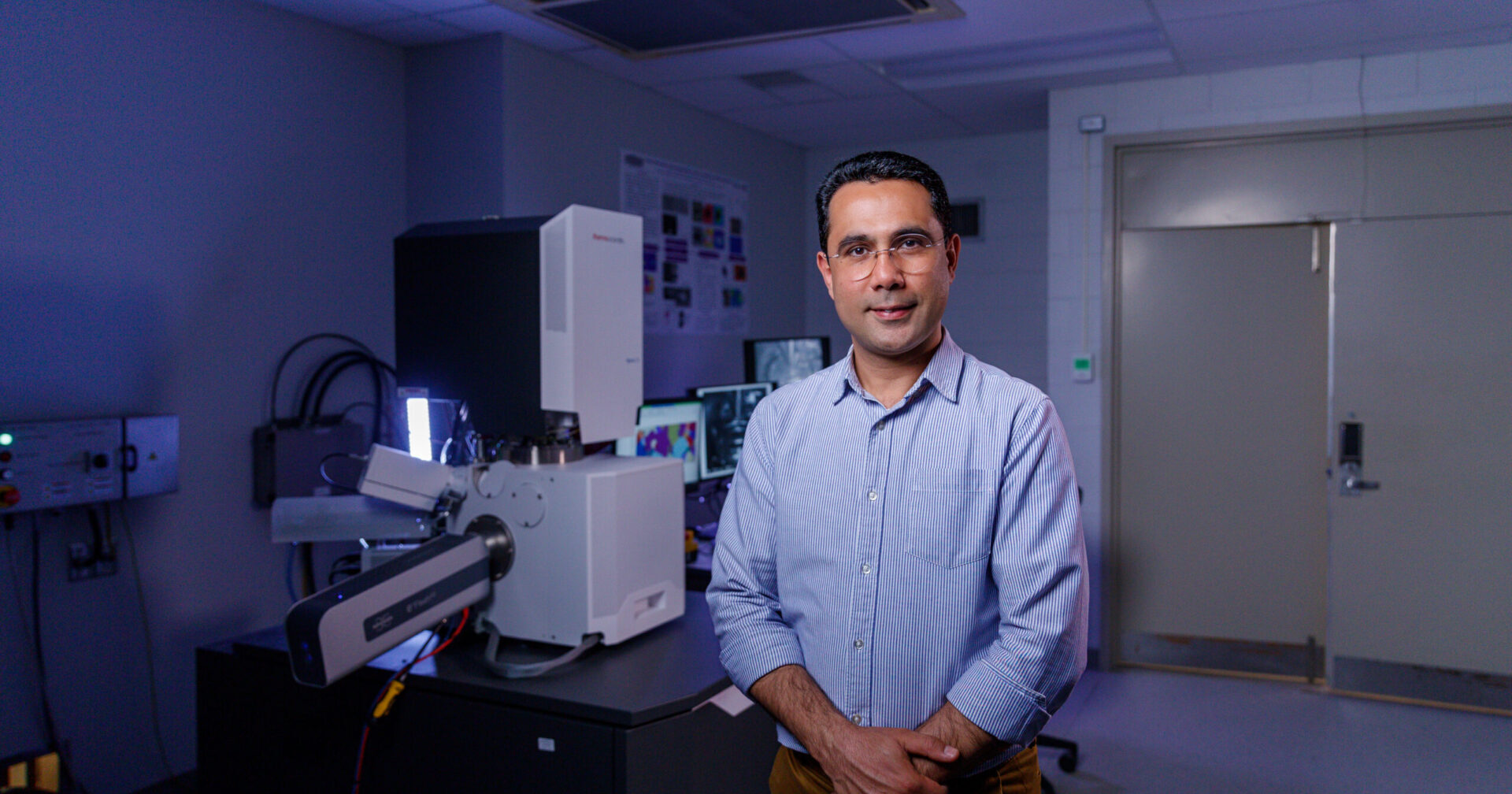
Western planetary scientist Catherine Neish and PhD candidate Sashank Vanga used Hawai‘i lava flows in June to help interpret NASA orbital radar data of the Moon.
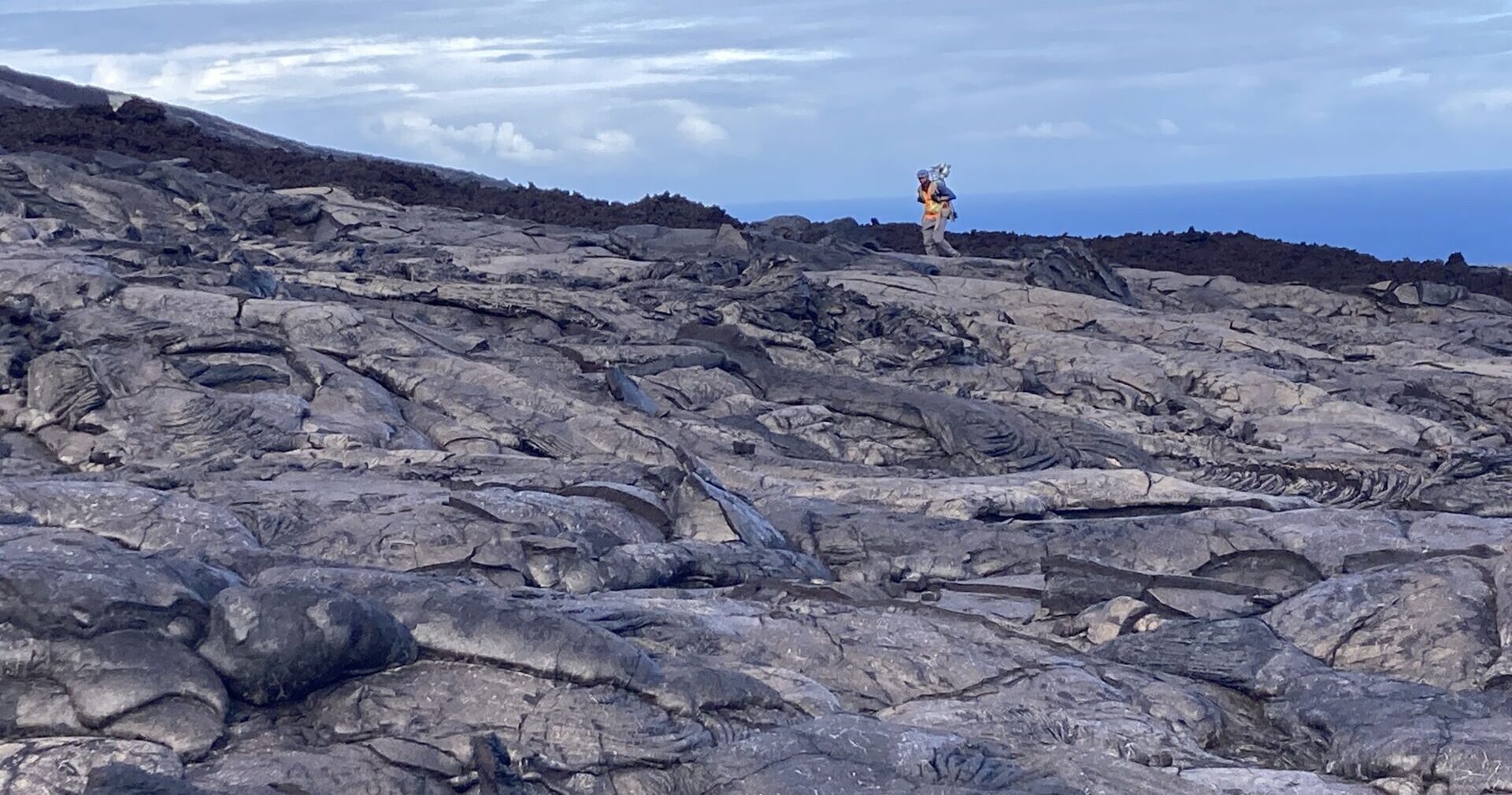
Catherine Neish, a Western professor of Earth sciences, and PhD candidate Sashank Vanga travelled to Hawai‘i Volcanoes National Park in June to study lava flows that can shed light on the Moon’s volcanic past. Both are on the science team for the Mini-RF radar instrument aboard NASA’s Lunar Reconnaissance Orbiter, which launched in 2009.
Rough Hawaiian lava creates radar signatures similar to those seen on the Moon. Using a backpack-mounted LiDAR system, the team mapped the surface in fine detail, to the centimetre scale, and compared the measurements with radar observations from the orbiter.
Neish says working on a landscape whose geology is known helps researchers interpret what the Moon’s radar images show. Mini-RF was originally designed to search for water ice in permanently shadowed regions, and its data now also help study volcanism and impact cratering.
Vanga, a member of Neish’s lab for four years, says the field work helps improve the tools used to explore other worlds, ahead of NASA’s Artemis missions.
Chapter 03 · Science & TechnologyRead it in the issue →