Research collaborations aid Goodwill in diverting waste
Western and Fanshawe researchers are helping Goodwill Ontario Great Lakes keep unsellable donations out of landfill, using textile biochar and an AI sorting system.
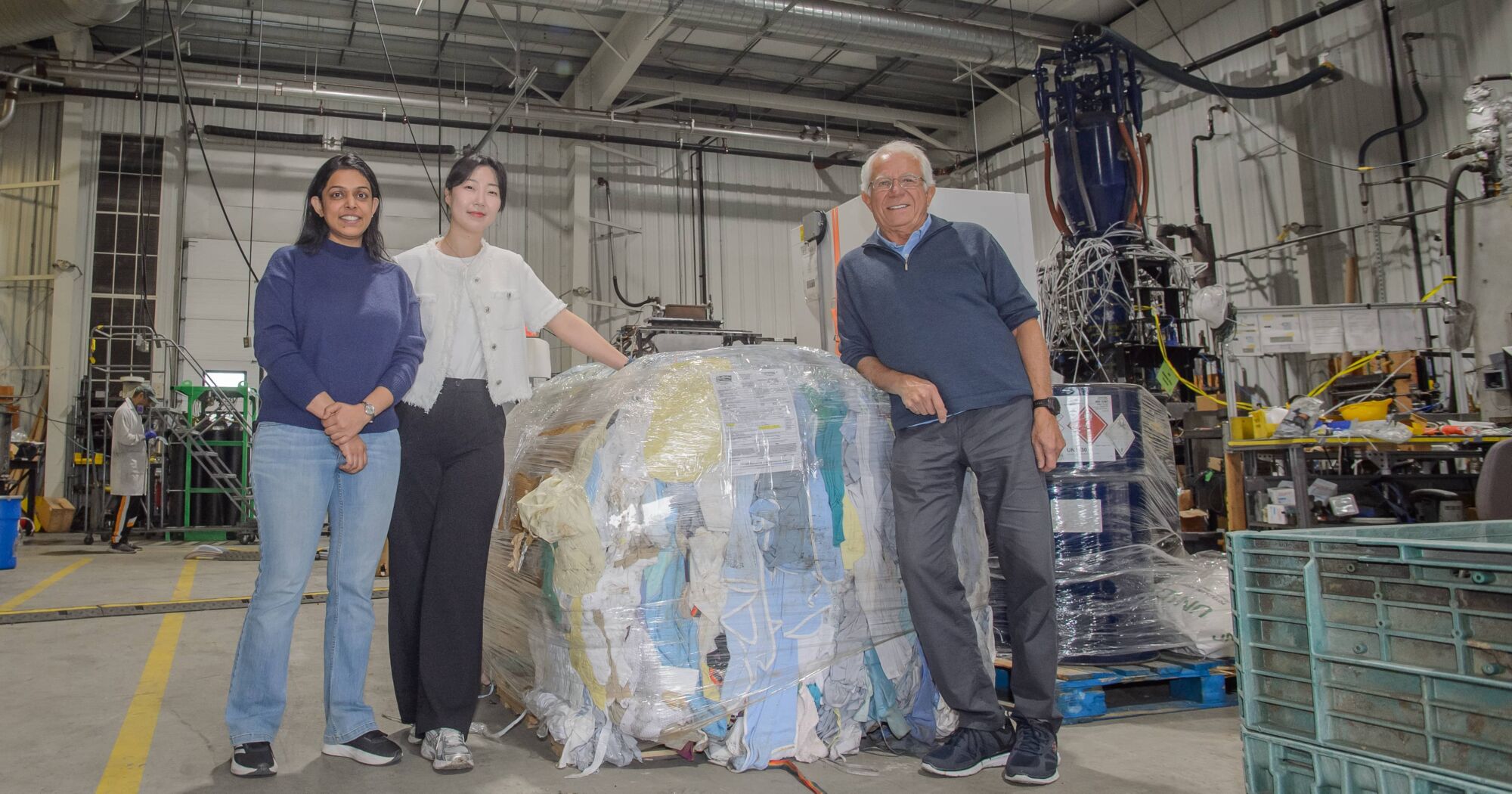
Goodwill, Ontario Great Lakes received more than 43 million pounds of donations in its last fiscal year, and some of it cannot be resold or reused. John Quigley, the organization’s manager of sustainability, says it relies on partners like Western for expertise it lacks in-house.
One project, with Western’s Institute for Chemicals and Fuels from Alternative Resources and Fanshawe’s Jennifer Wright, turns textile waste into biochar through pyrolysis. Heejin Lee found that plants can grow better in soil with the textile biochar under optimal conditions. Neha Batta uses enzymes to break natural fabrics into sugars. The team has diverted 5,000 pounds of clothing waste in more than four years and has applied for a federal grant to scale up.
In the other, Western engineering professor Min Xia is developing an AI system with smart cameras that scan and categorize donations on a conveyor belt and signal workers to catch what is missed. He built it to support Goodwill employees, not replace them.
Xia’s team has filmed 18 hours of video to train the system and aims to have it working within the next year.
Chapter 03 · Science & TechnologyRead it in the issue →