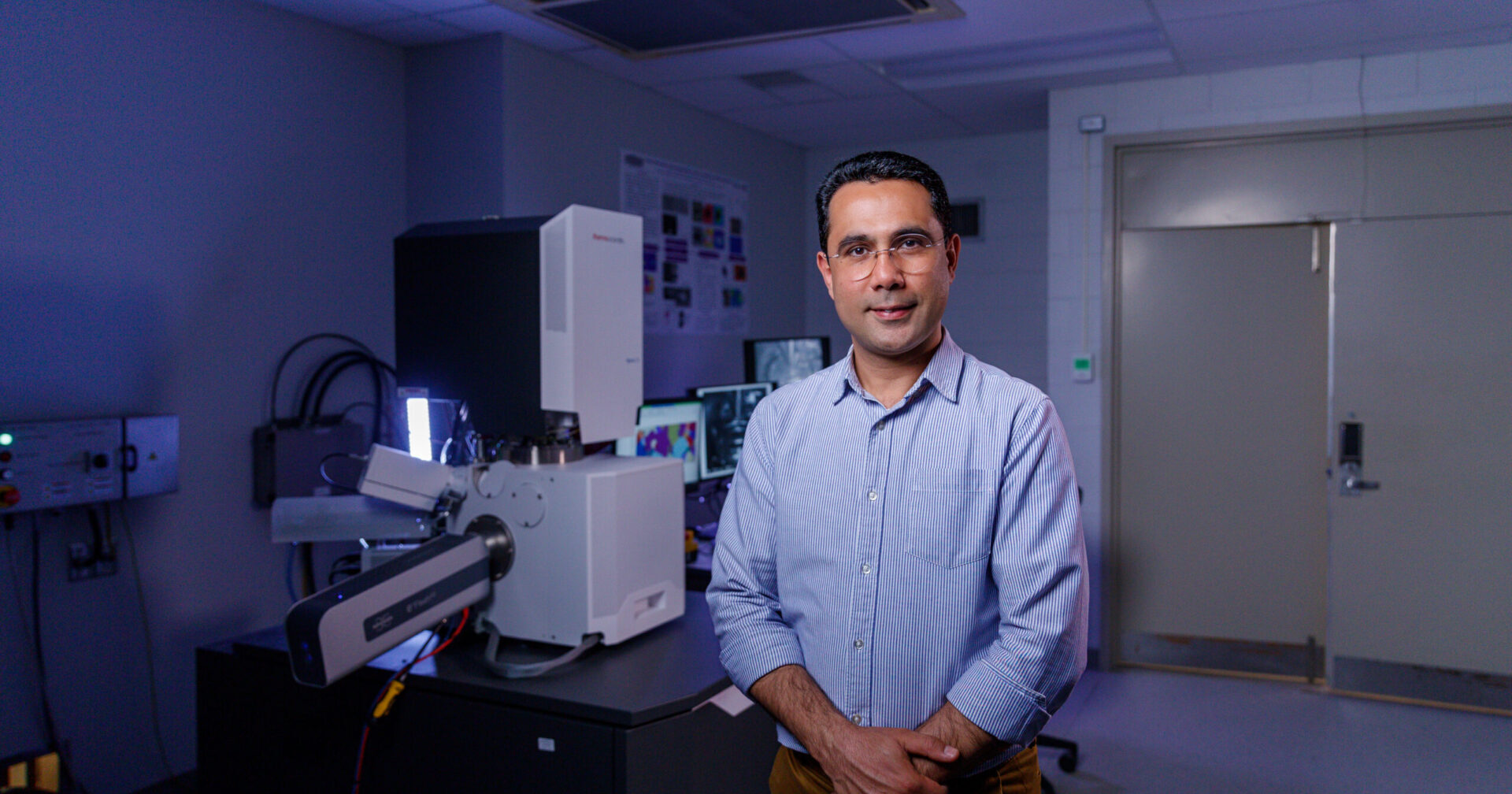
Huntington Society of Canada Research Chair advances innovative approaches to future treatment
Patrick O’Donoghue, inaugural Huntington Society of Canada Research Chair at Schulich, explains how his lab’s work on transfer RNAs could lead to new Huntington’s disease therapies.
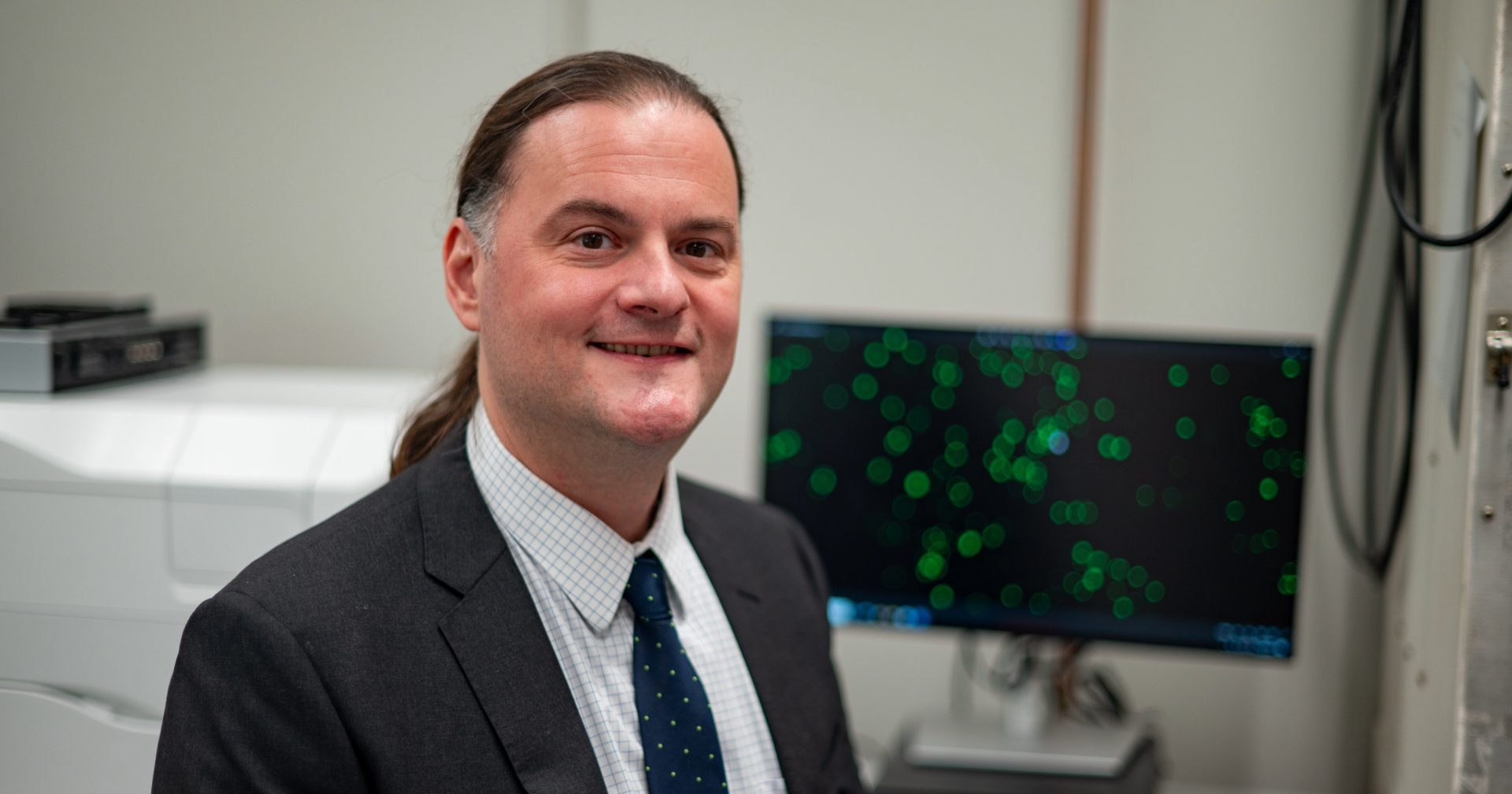
Western and the Huntington Society of Canada created a $3-million endowed research chair in 2023, the first of its kind in North America. Patrick O’Donoghue, who studies how cells build proteins, is the inaugural holder of the chair at Schulich Medicine & Dentistry.
His lab has worked on Huntington’s disease since 2021. A major focus is transfer RNAs, or tRNAs, the molecules that link genetic instructions to the proteins cells make. The idea is that tRNA-based approaches could help correct or suppress errors in protein production, including the toxic huntingtin protein behind the disease.
O’Donoghue says the chair funds a team of seven graduate students and a postdoctoral fellow, along with undergraduate researchers. It also lets him connect students with patients, families and other researchers.
He tells Western News that families can be cautiously optimistic because many therapies are in development or clinical trials. He points to a University of Alabama at Birmingham microRNA therapy that reported a 75 per cent slower disease progression at a high dose after three years.
Chapter 03 · Science & TechnologyRead it in the issue →