Western researchers join international efforts to understand aviation’s climate impact
Western’s Global Meteor Network, more than 1,400 cameras built to spot meteors, will now also observe aircraft contrails in a Horizon Europe climate project.
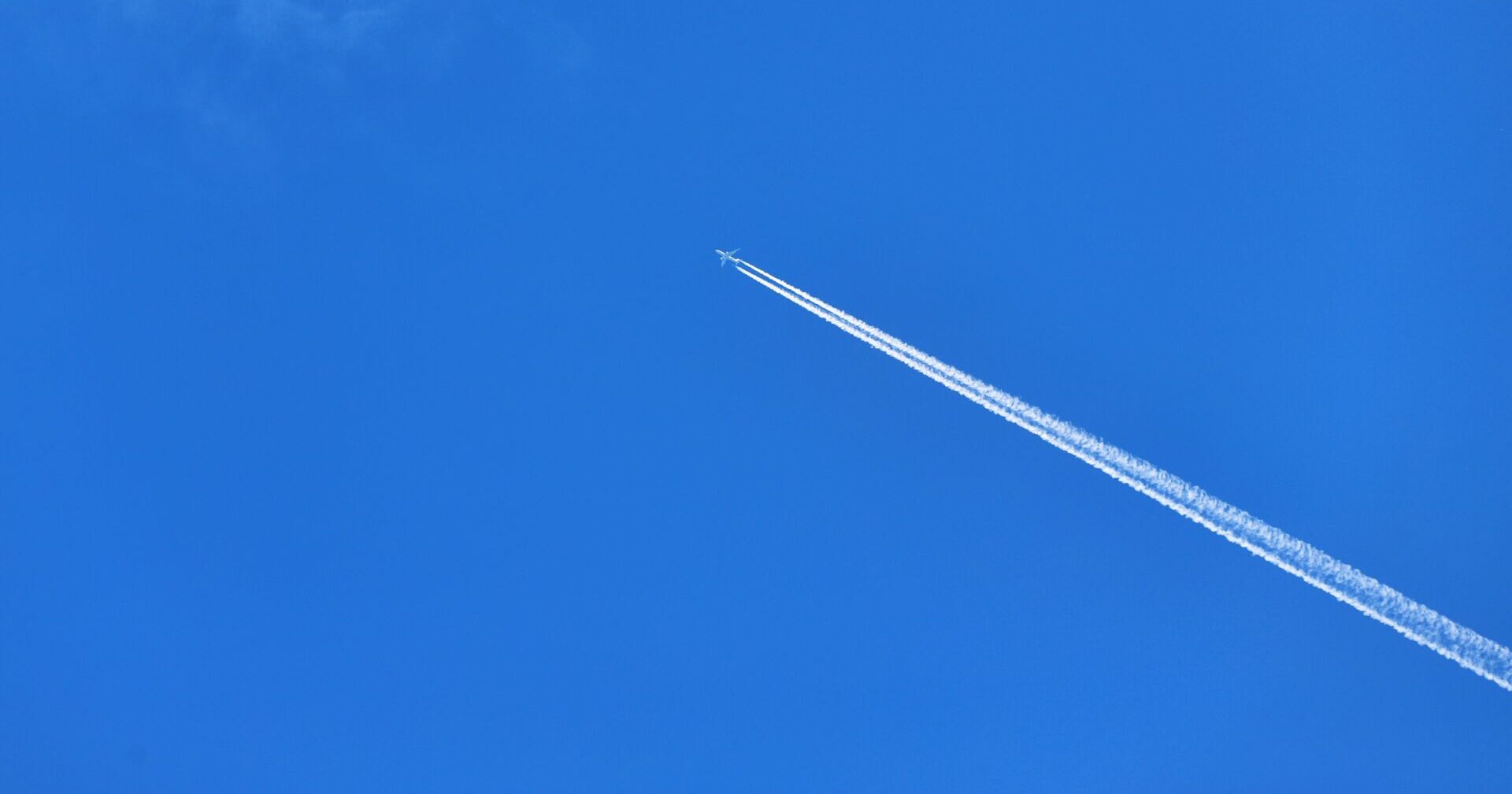
Western researchers are joining E-CONTRAIL 2, an international project led by Manuel Soler at Charles III University of Madrid and funded through Horizon Europe. The project receives €999,982.50, about $1.6 million CAD, to improve understanding of how aircraft contrails affect climate.
Research scientist Denis Vida and PhD candidate Emily Tracey will supply observations from the Global Meteor Network, which Vida created. It has more than 1,400 ground-based cameras and is being dual-purposed to watch contrails around the world.
That data will sit beside satellite, LiDAR and radar measurements to build a multi-sensor dataset that can validate contrail prediction models. Vida’s team, including Tracey and four more Western students, uses physics-informed AI to improve detection and tracking.
Aviation accounts for roughly two to three per cent of global carbon dioxide emissions, and contrails add uncertain further effects. Better prediction could support ways to reduce aviation’s climate impact.
Chapter 04 · Climate & EnvironmentRead it in the issue →