Expert insight: Burnout isn’t new – 18th‑century farm records show the same exhaustion
English and geography postdoctoral fellow Nathan TeBokkel traces the phrase ‘burnt out’ to 18th-century farm writing and argues burnout has social roots.
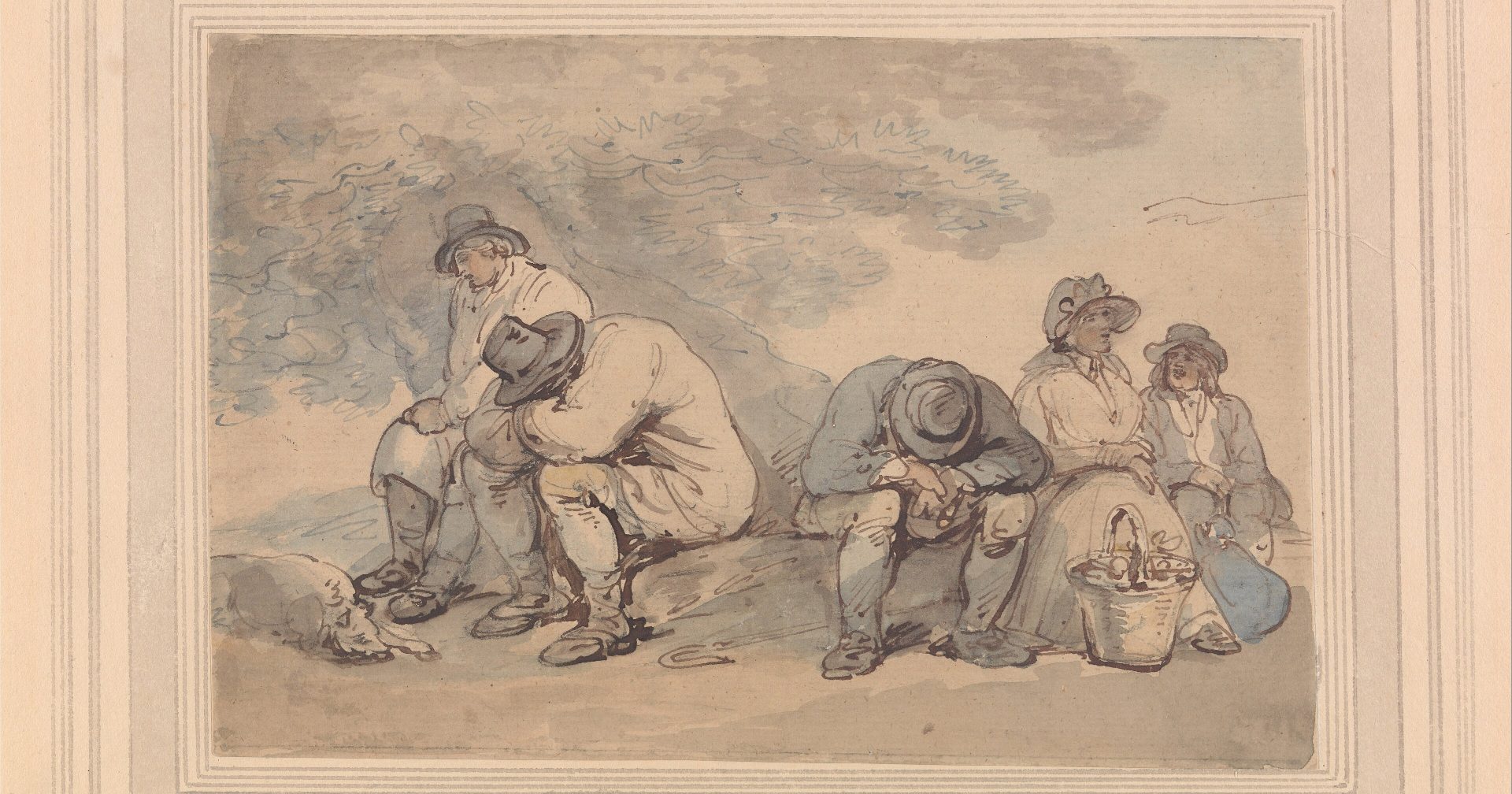
Nearly 40 per cent of Canadian workers say they often or always feel burnt out, according to a 2025 survey by Mental Health Research Canada and Canada Life. Nathan TeBokkel, a Banting Postdoctoral Fellow in English and Geography at Western, says the idea is much older than modern workplace talk. His essay first ran in The Conversation.
He points to agriculturalist Arthur Young’s 1771 travelogue The Farmer’s Tour Through the East of England, which describes a farmer named William White, twice burnt out when his barn burned down and rebuilding forced him to work even harder. TeBokkel says the phrase moved from literal fires and fuel to a metaphor in which workers are fuel.
He finds a similar pattern in Young’s 1770 account of James Croft, a coal miner and farmer who slept about four hours a night. The term moonlighting follows the same logic.
TeBokkel argues burnout stems from social structures that compel extra work, so temporary fixes may be structural, such as a four-day work week.
Chapter 08 · Awards & RecognitionRead it in the issue →