Alumni Digest: U of T Summer Edition is an independent, source-linked digest covering 50 public stories from the University of Toronto community between terms.
A summer issue about the people, places and questions that keep the University of Toronto moving when the timetable loosens.
50 stories8 data features
Community / North
A homecoming that opens a pathway into STEM
Shilo Chislett returns to Rankin Inlet with a practical invitation: make the next route visible.
Climate / Alumni
68,345 trees, and a different way to reforest
An alumnus-founded startup brings seed pods, drones and local knowledge to a burned northern landscape.
U·T
University of Toronto / the summer issue
From the quad to what’s next.
Buildings change. Questions travel.
Long light. New routes.
A considered selection of public U of T reporting from the season between terms.
A source-linked University of Toronto digest. August 2026 edition, built from official U of T News, U of T Alumni and U of T Scarborough reporting published July 2 to August 31, 2026. Not an official university publication. Each brief keeps its source provenance in the editorial record. Scroll, search or open the contents rail.
Brand Partners / 12 placements
A place for useful partners.
Tools, clothing, travel and services selected for student and alumni life. Browse the issue’s Brand Partners:
01Aug 31, 2026Community / North
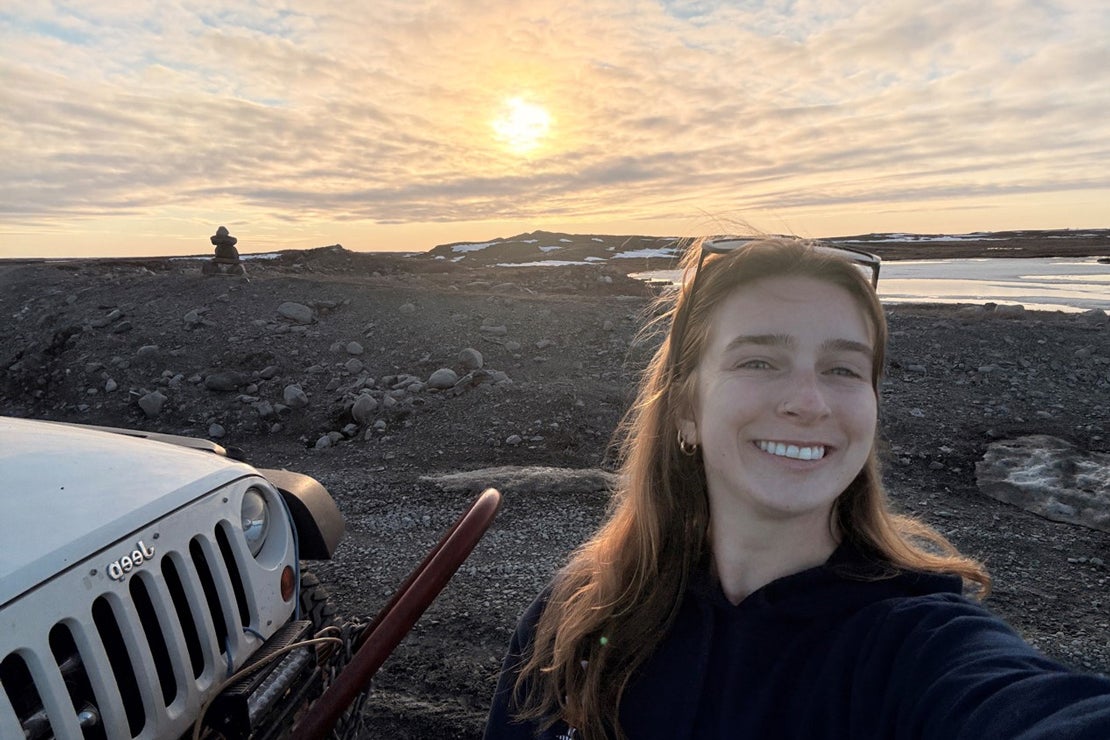
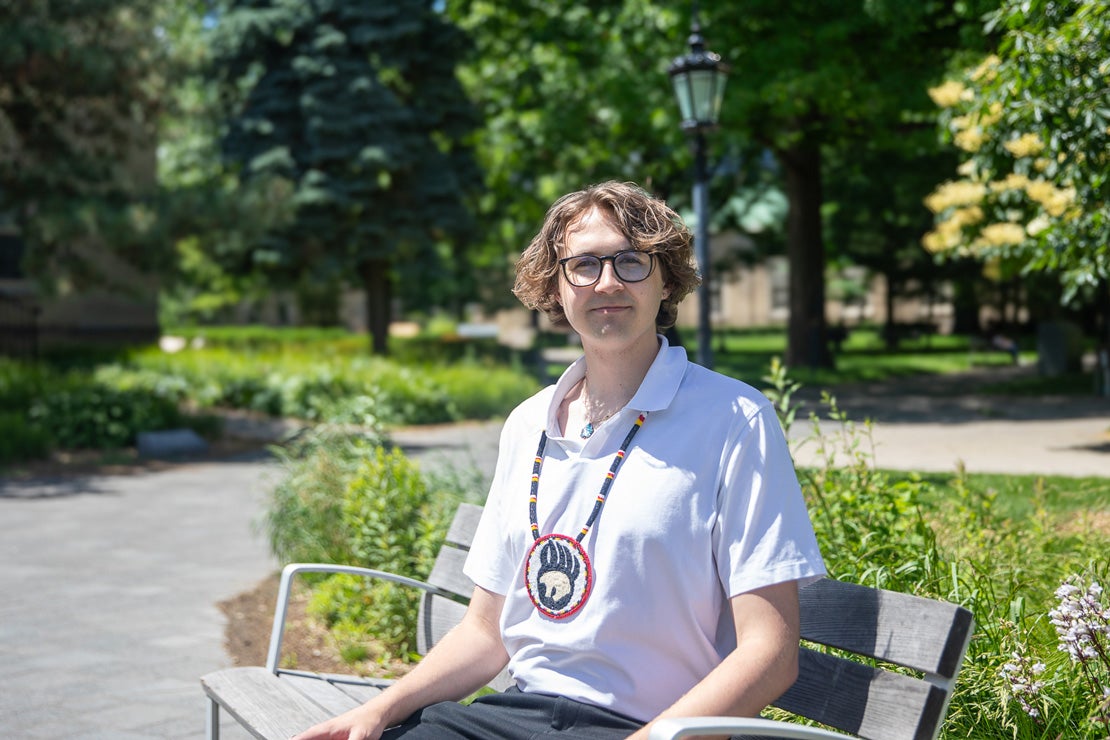
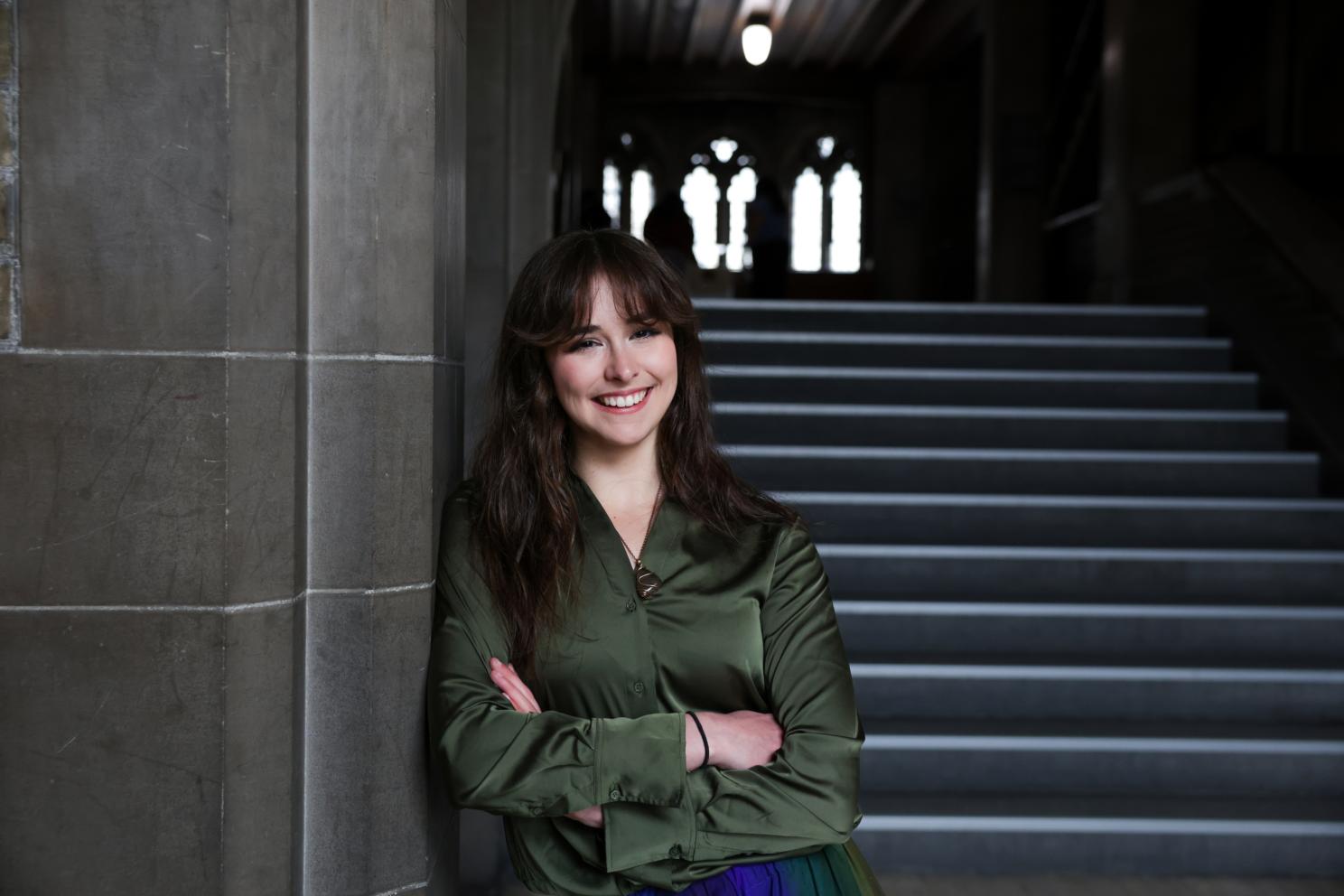
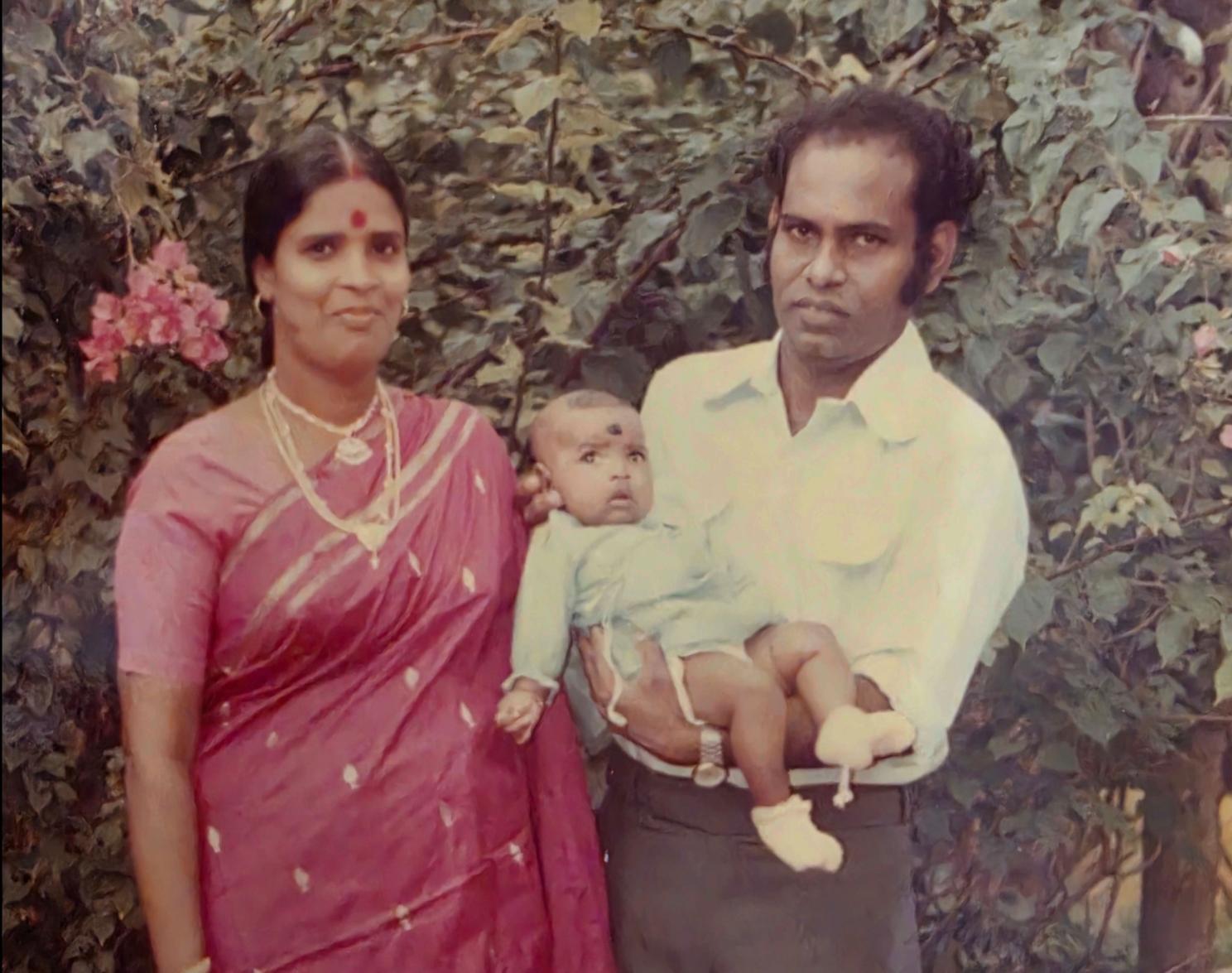
Shilo Chislett in Rankin Inlet, where she spoke with high-school students about educational pathways. Credit: Shilo Chislett / U of T Engineering News
Community / North
A homecoming that opens a pathway into STEM
Shilo Chislett returns to Rankin Inlet with a practical invitation: make the next route visible.
Reported by U of T Engineering News
U of T engineering graduate student Shilo Chislett went back to her hometown to speak with high-school students about STEM, university and the choices that can follow graduation.
Her message was not that one route fits everyone. It was that scholarships, mentors, trades, research and university become easier to imagine when someone from a similar place makes the path legible.
02Aug 28, 2026Climate / Alumni
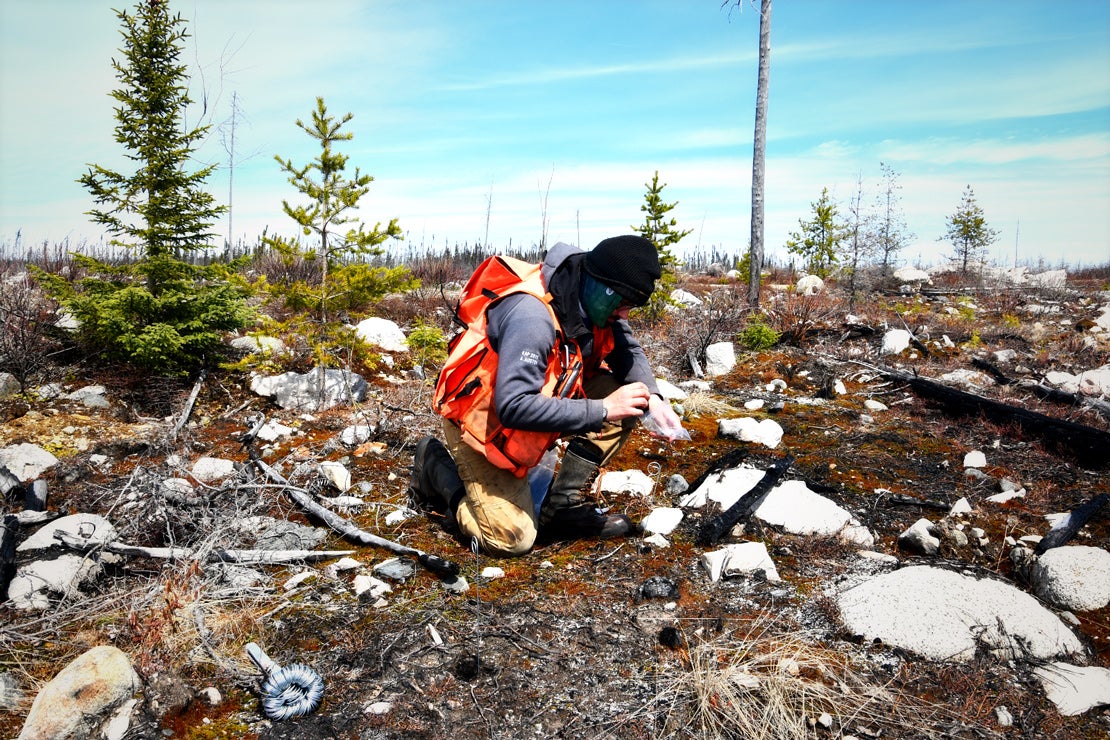
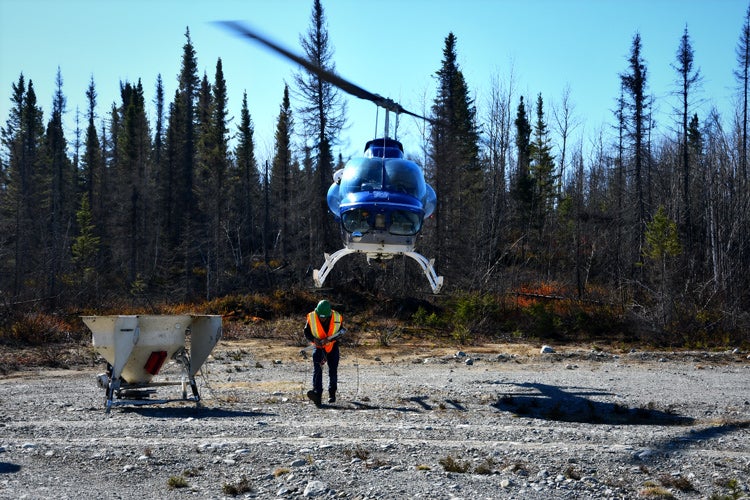
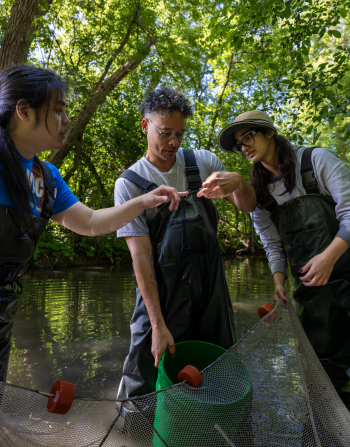
A helicopter carries seed pods toward a reforestation site. Credit: Flash Forest / University of TorontoAerial planting is designed for remote terrain. Credit: Flash Forest / University of Toronto
Climate / Alumni
68,345 trees, and a different way to reforest
An alumnus-founded startup brings seed pods, drones and local knowledge to a burned northern landscape.
Reported by Zoe Kelsey
U of T alumnus Cameron Jones co-founded Flash Forest after seeing the long afterlife of wildfire in British Columbia. The company pairs seed pods with imaging, machine learning and aerial delivery.
In northern Quebec, a partnership with U of T planted 68,345 trees in the Assinica Wildlife Reserve. The project is as much about local knowledge and species selection as it is about the machinery overhead.
03Aug 27, 2026Research / Medicine
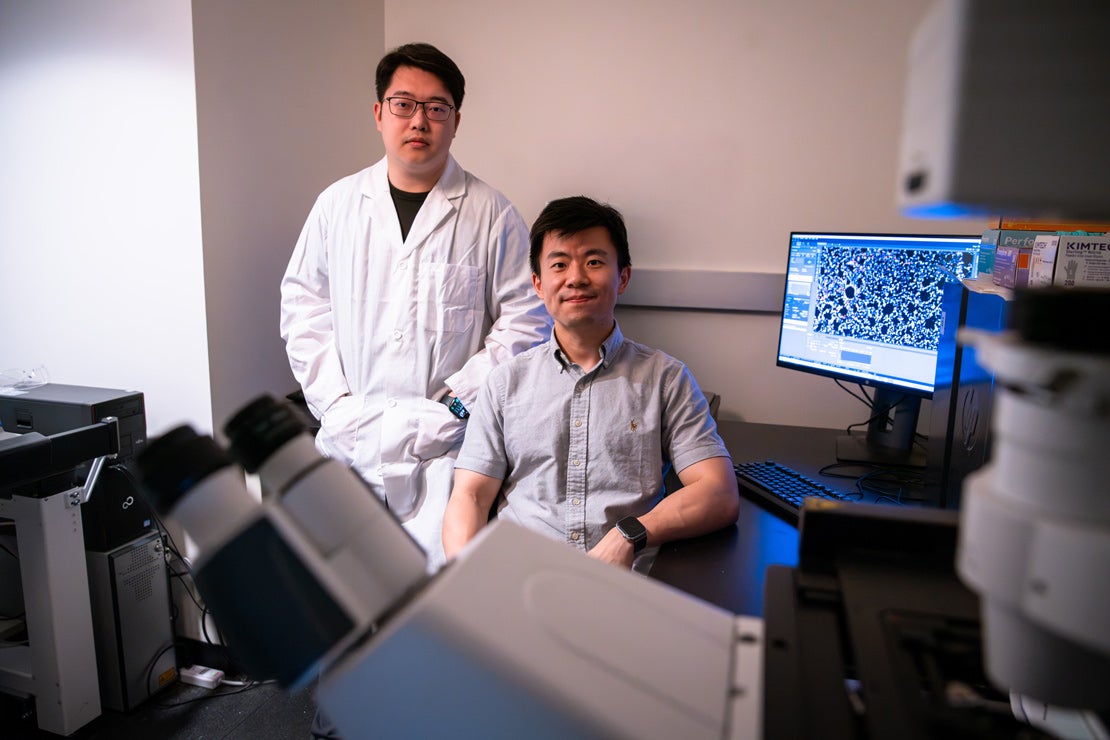
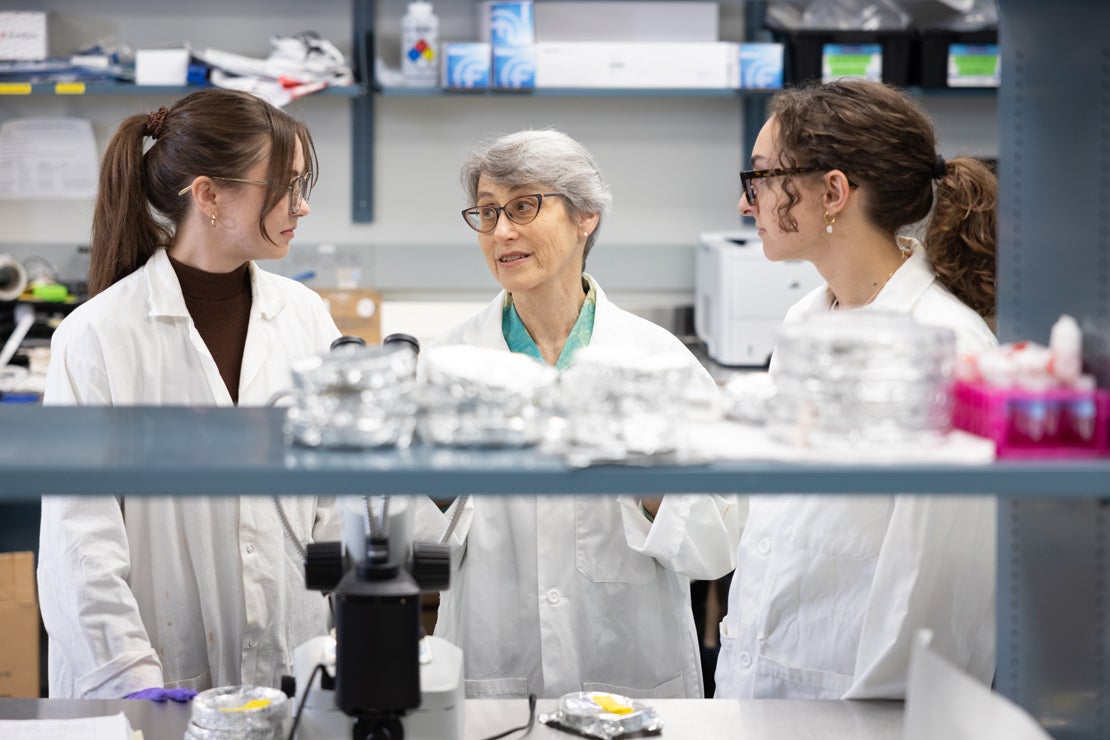
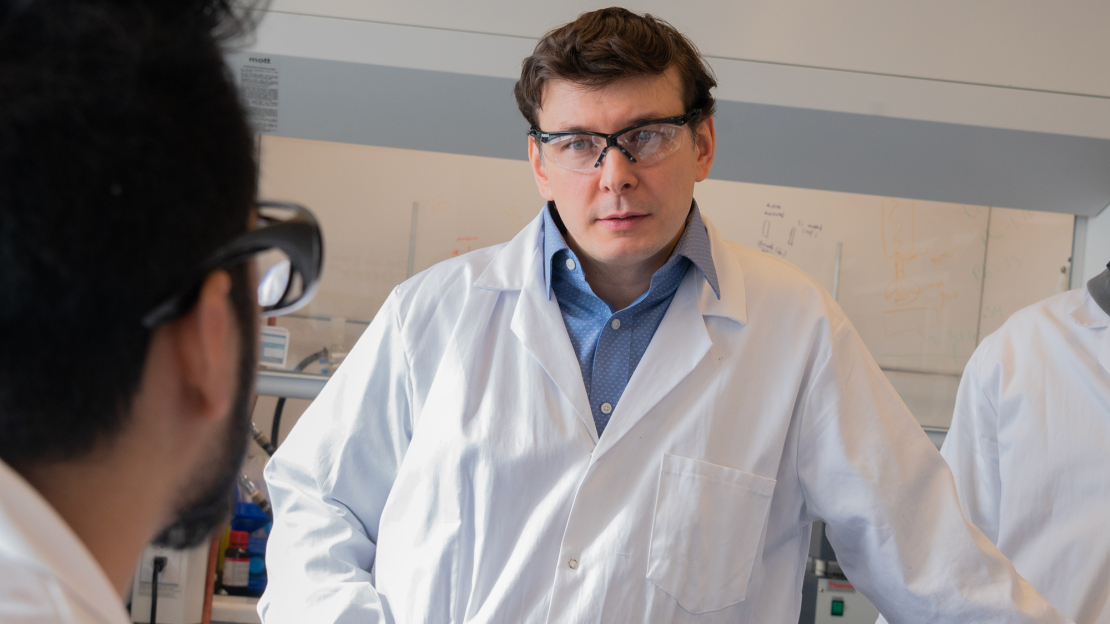
Researchers Jingan Chen and Bowen Li work on an emerging genetic-medicine platform. Credit: Steve Southon / University of Toronto
Research / Medicine
A small molecular edit with a wide horizon
A new tRNA platform aims to turn one kind of genetic stop signal into a route toward many treatments.
Reported by Adina Bresge
Researchers at U of T, UHN and SickKids engineered transfer RNA to help cells read through premature stop signals and finish making proteins that would otherwise be cut short.
The work is still preclinical. Its promise lies in the shared mechanism: one engineered approach could eventually be adapted across diseases that carry the same kind of stop signal.
04Aug 27, 2026Research / Chemistry
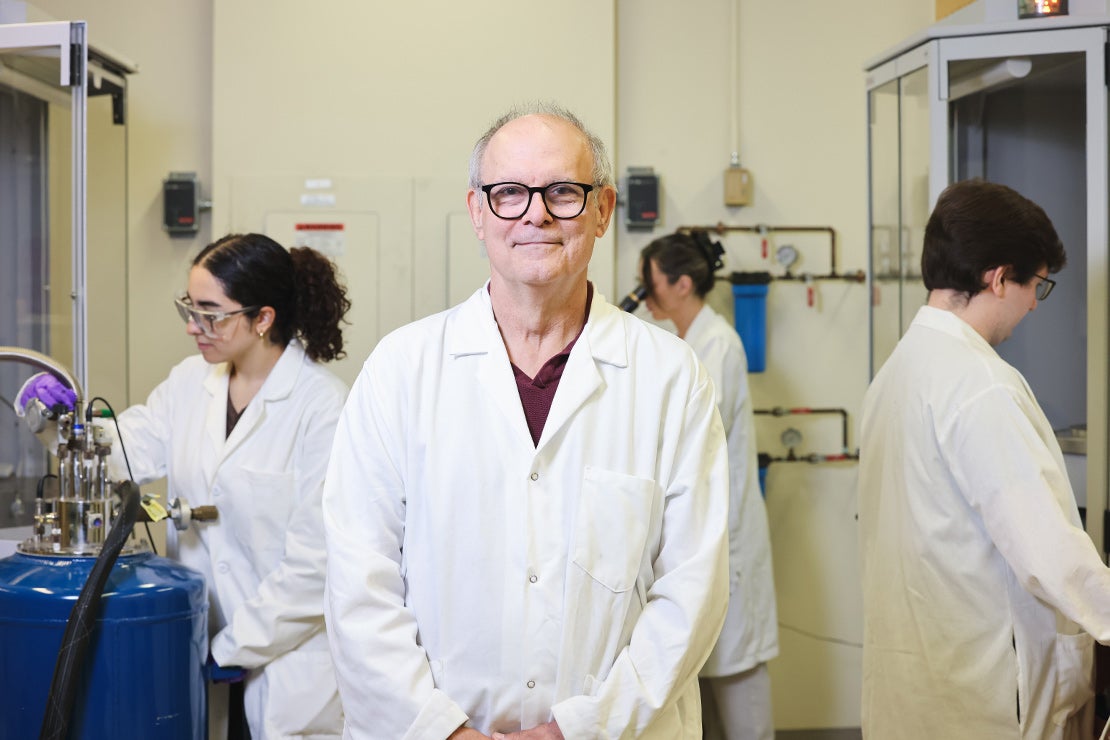
Doug Stephan examines a crystal for X-ray diffraction studies. Credit: Polina Teif / University of Toronto
Research / Chemistry
The chemistry of making more with less
Doug Stephan’s award-winning idea replaces precious-metal assumptions with a cleaner catalytic possibility.
Reported by Sean McNeely
Doug Stephan’s discovery of frustrated Lewis pairs challenged a basic habit of industrial chemistry: relying on rare metals to make useful molecules react.
The Davy Medal recognizes a body of work that could make catalysis less dependent on toxic or expensive materials. A twenty-year-old idea is still finding new rooms to enter.
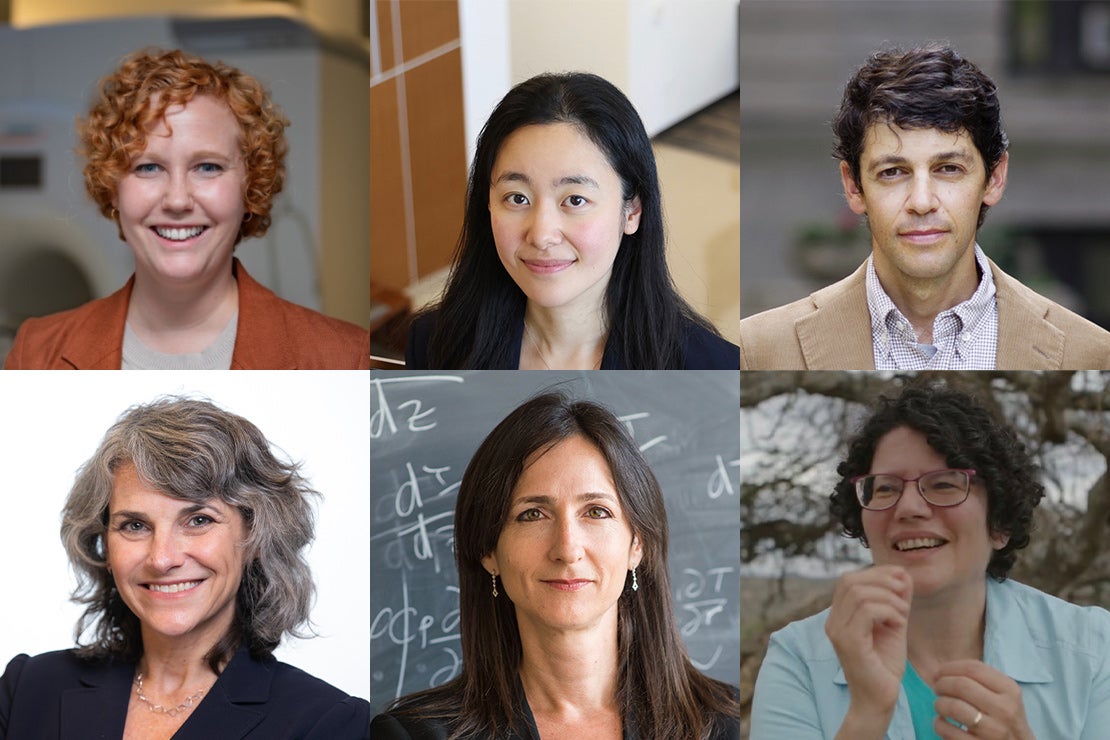
Six new research chairs join U of T through a federal talent initiative. Credit: University of Toronto / supplied and credited portraits
Research / People
Six researchers arrive with six new questions
A federal talent initiative brings expertise in health, technology, ecology, finance and the search for life to U of T.
Reported by Adina Bresge
Six researchers are joining U of T through a federal initiative designed to draw global talent to Canada. Their work ranges from MRI and digital health to AI for nature, political economy and planetary sensing.
The useful summer signal is not a single breakthrough. It is the infrastructure around discovery: a university making room for people whose questions cross disciplines and borders.
Editor’s essay / summer field notes
A university is a set of routes.
In summer, the campus is easier to read as a sequence of places where people try, pause, test and return.
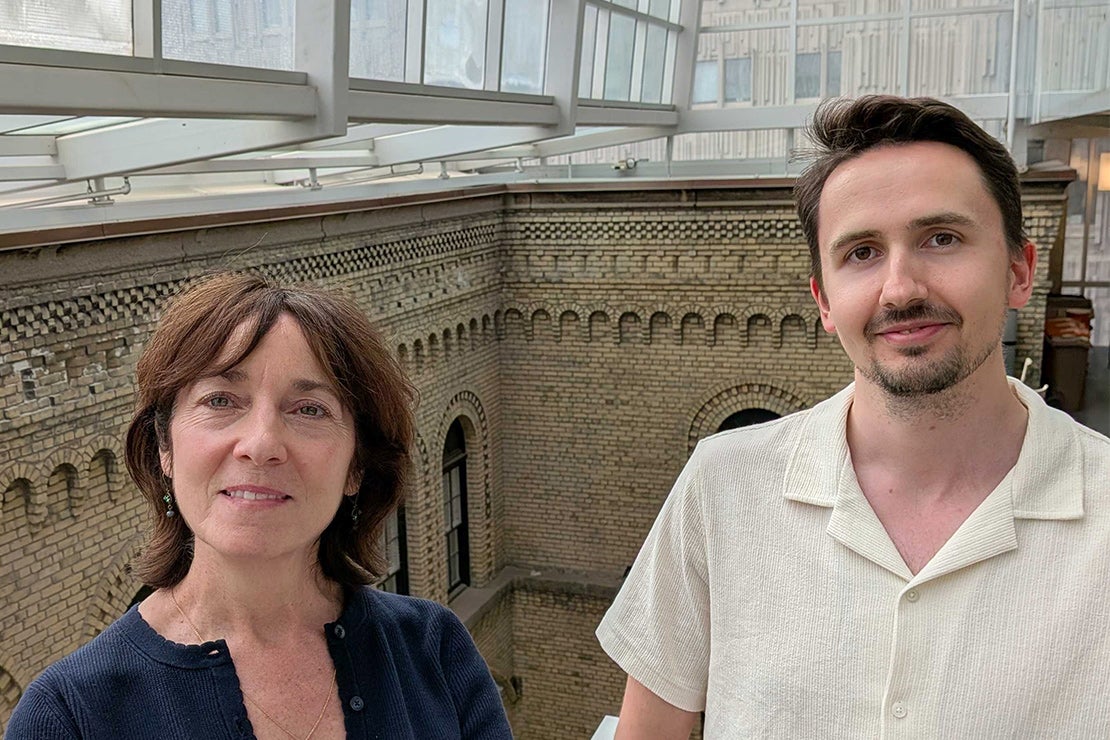
The August reporting does not describe one kind of U of T. It moves from Rankin Inlet to a rooftop at OISE, from a watch party at Bahen to the quiet systems behind new housing. The common thread is movement: a question leaves one room and meets a person, a place or a problem.
That is why an issue between terms can feel different from a September issue. The campus is still working, but the edges are softer. A research idea can travel to a community. A student can turn an empty court into a tournament. A building can become a lesson in energy.
The invitation is simple: follow one route back. Read the source, visit the room, notice what has changed and keep one useful question for the next season.
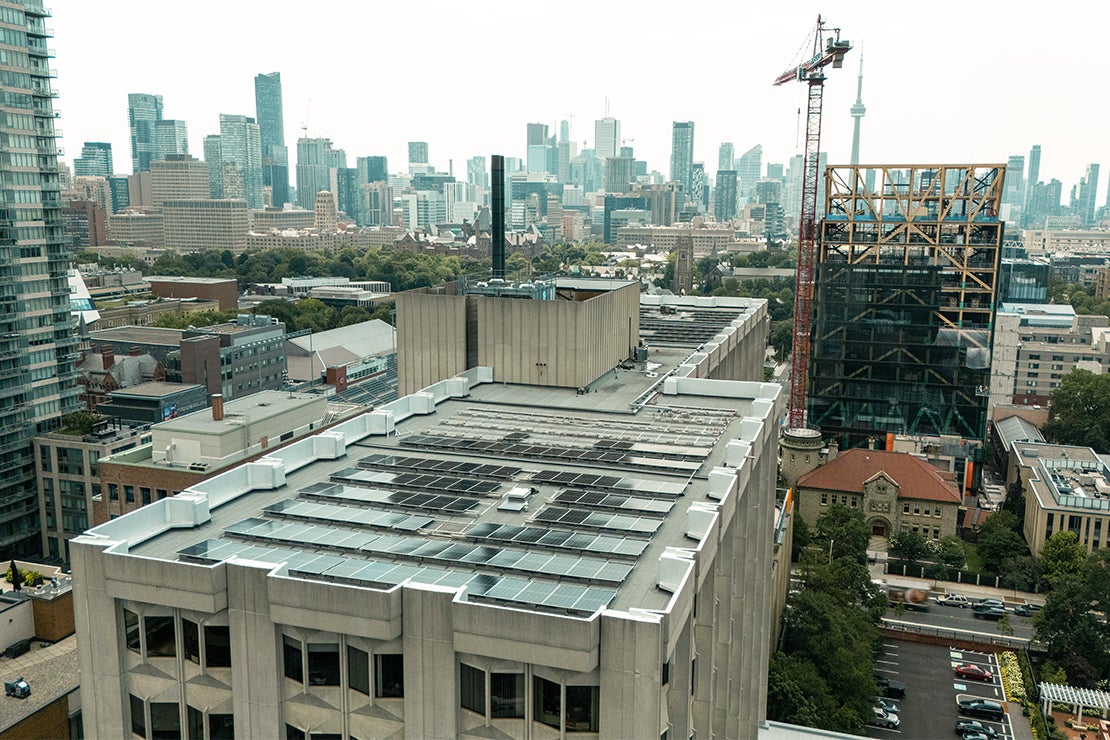
Aerial view of the solar panels at OISE. Credit: David Lee / University of Toronto
Campus / Climate
The roof becomes part of the lesson
OISE’s new solar installation turns an overlooked surface into a working part of campus infrastructure.
Reported by Amy Noise
The roof of OISE is gaining 299 double-sided solar panels, lifting the St. George campus total above 2,600. Once online, the array is expected to provide about 10 per cent of OISE’s annual electricity needs.
The project makes a building do two jobs at once: host teaching and research, and demonstrate what decarbonization looks like when it is built into the everyday campus.
07Aug 10, 2026Campus / Scale
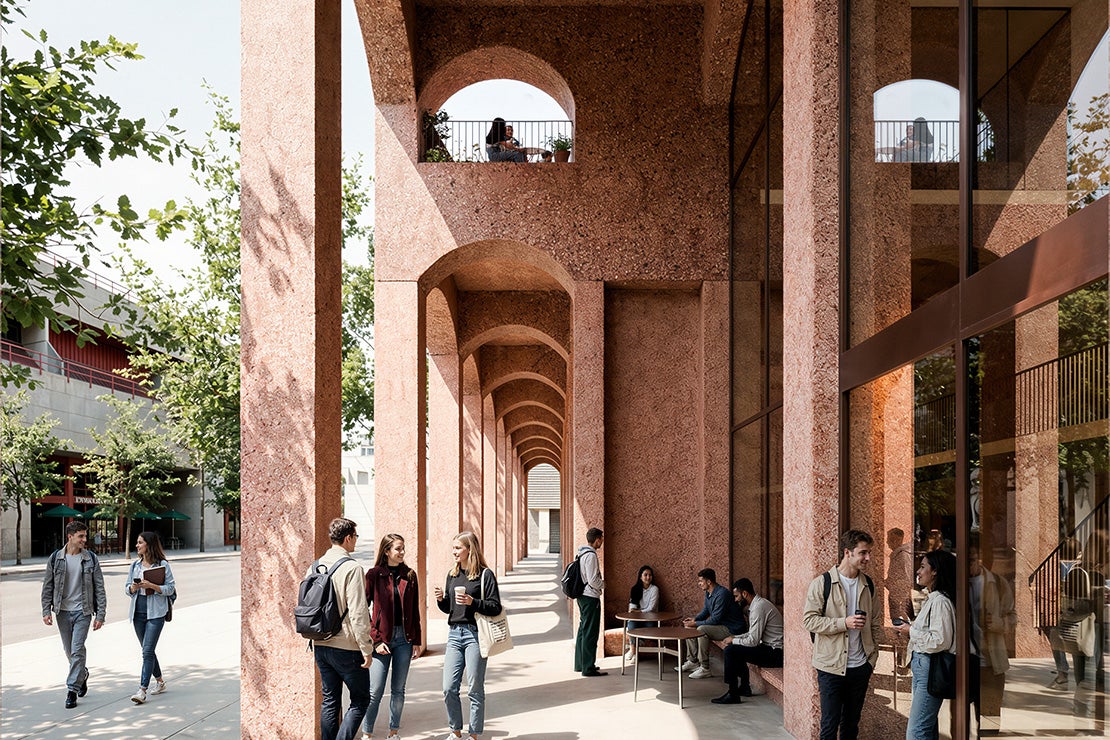
Rendering of a planned Harbord Street residence exterior. Credit: COBE / University of Toronto
Campus / Scale
A university gets bigger without losing its centre
A new housing model proposes thousands of additional beds across the campuses, with the hardest work still ahead.
Reported by U of T News Staff
U of T’s Build More Housing Initiative proposes up to 5,500 new residence spaces through partnerships with builders. The first St. George projects would add more than 1,200 beds.
The numbers are large, but the lived question is intimate: whether a student can find a room, a neighbour and a place in the life of the university. The new model puts housing inside the academic story.
08Aug 7, 2026Sport / Toronto
U of T athletes and alumni at the Commonwealth Games. Credit: Ian MacNicol / Swimming Canada / Athletics Canada
Sport / Toronto
Different flags, one Varsity Blues rhythm
U of T athletes and alumni carry campus spirit into the Commonwealth Games pool and track.
Reported by U of T News Staff
At the Commonwealth Games, U of T athletes and alumni competed for Canada, Bermuda and the Cayman Islands. Kylie Masse added two medals to a record-setting career, while current students joined her in the pool and on the track.
The story is not only about results. It is about the strange continuity of university sport: a training room, a coach and a teammate can travel with an athlete long after the campus season ends.
09Aug 18, 2026Research / Health
Researchers study the immune pathways involved in Crohn’s disease. Credit: University of Toronto / official source image
Research / Health
What the immune system leaves behind
Researchers identify an immune defect that may help explain how Crohn’s disease gets started.
Reported by U of T News Staff
A U of T-led team identified a defect in an immune pathway that may set Crohn’s disease in motion. The finding points to a biological sequence that begins before symptoms become visible.
It is an early research story, not a treatment announcement. Its value is diagnostic: better understanding of the mechanism can shape the next question about prevention and care.
A study of how people experience additional time. Credit: University of Toronto / official source image
Research / Time
When extra time is not extra enough
A U of T study asks why the same extension can feel generous to one person and insufficient to another.
Reported by U of T News Staff
A new study examines how people experience added time, and why an extension does not always translate into more room to think or act.
The finding is a useful summer reminder for anyone rebuilding a schedule: time is not only a quantity. It is also a perception shaped by pressure, context and what the next deadline asks of us.
Campus note / place changes
The buildings are part of the story.
A roof, a residence and a research room show how campus changes become part of student life.
The most useful campus stories often begin with physical details. A solar panel on a roof is also a public demonstration. A proposed residence is also a question about belonging. A lab is also a path into work that may not yet have a name.
Summer makes those transitions visible. There is enough daylight to notice a new façade, a reopened room or the quiet infrastructure under a familiar route. The built environment is not background; it is one of the ways a university teaches its values.
Look for the next change at human scale: who gets a key, who finds a seat, who can stay longer and who is invited to build what comes next.
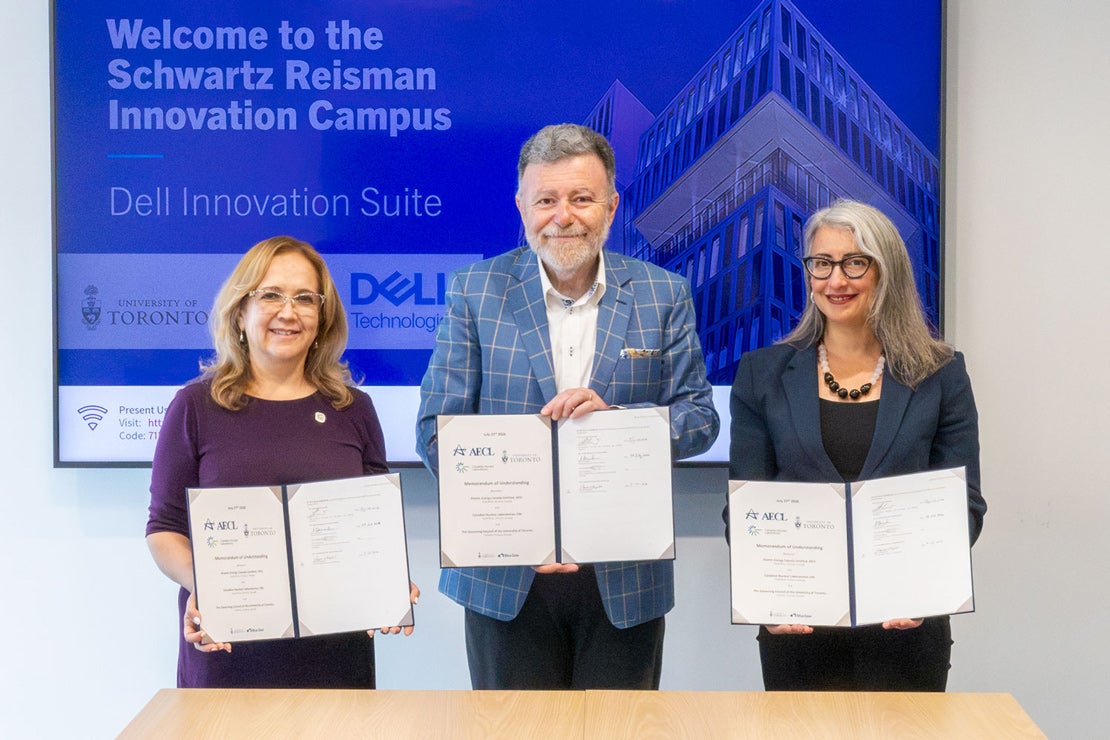
A new academic partnership connects U of T researchers with Canadian Nuclear Laboratories. Credit: University of Toronto / official source image
Research / Energy
A partnership built for the nuclear future
A new academic partnership connects U of T students and researchers with Canada’s nuclear laboratory network.
Reported by U of T News Staff
U of T has joined the Canadian Nuclear Laboratories Academic Partnership Program, opening another route between university research, student training and national energy questions.
The partnership places a familiar alumni theme in a new setting: what begins as a course, lab or placement can become part of the country’s long infrastructure work.
12Jul 31, 2026Ideas / Public life
Jason Stanley teaches students to navigate difficult global issues with clarity and care. Credit: University of Toronto / supplied image
Ideas / Public life
A course that makes room for disagreement
A summer course on global controversies asks students to argue carefully before they argue loudly.
Reported by U of T News Staff
The Understanding Global Controversies course treats disagreement as a skill. Students work through fascism, imperialism, colonialism and genocide without pretending that complexity can be reduced to a quick opinion.
Its method is refreshingly practical: learn the history, listen for what is missing and make an argument that can survive another person’s question.
13Aug 4, 2026Health / Work
Construction work is one setting examined in a study of opioid toxicity deaths in Ontario. Credit: Sean Justice / Getty Images
Health / Work
Where work, pain and prevention meet
A province-wide study finds opioid toxicity deaths are not evenly distributed across occupations.
Reported by Eileen Hoftyzer
Researchers found that construction and trades workers made up about one-third of people who died from opioid toxicity in Ontario during the study period. The analysis covered nearly 16,000 deaths from 2018 to 2024.
The point is not a stereotype. It is a prompt for better support: workplace prevention, treatment access and harm reduction need to meet people where work and pain actually intersect.
14Jul 30, 2026Health / Care
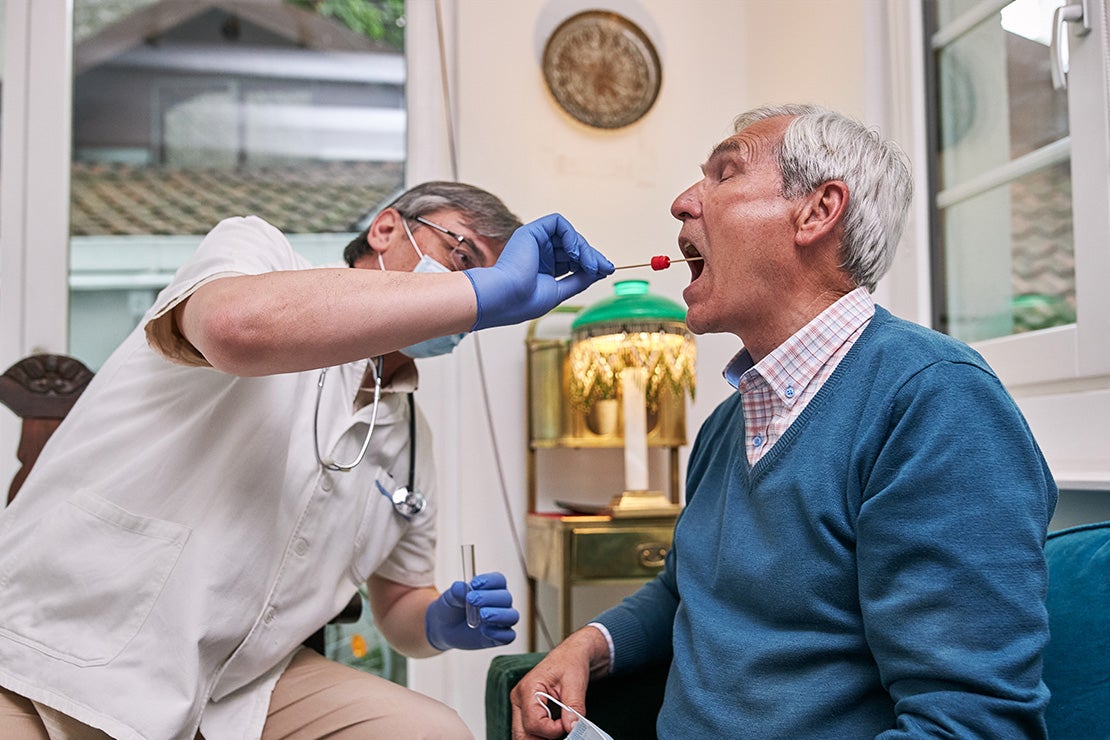
A rapid test is administered in a care setting. Credit: FluxFactory / Getty Images
Health / Care
When the test moves closer to the patient
On-site rapid testing helped long-term-care teams detect respiratory infections earlier and reduce emergency transfers.
Reported by Molly Giroux
In a Toronto trial, long-term-care homes with on-site rapid testing tested residents more than twice as often and treated influenza earlier. The approach was associated with an 11 per cent lower chance of emergency-department transfer.
The design lesson is simple: bring a useful capability closer to the people who need it, then give the staff enough training to make it part of the ordinary day.
15Jul 29, 2026Climate / Technology
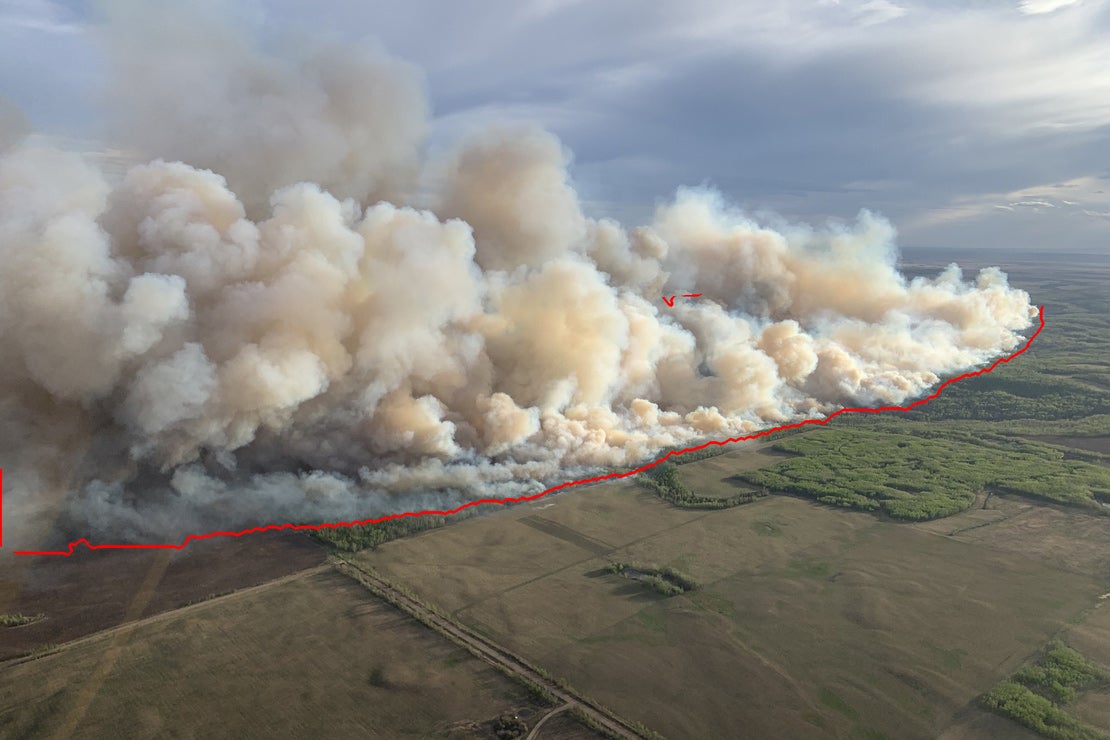
An AI model segments flames and smoke in aerial footage. Credit: Steven Waslander / University of TorontoSteven Waslander leads the wildfire-prediction project. Credit: University of Toronto
Climate / Technology
Reading a wildfire from the air
An AI project combines aerial imagery, weather and terrain to help predict how fires may move next.
Reported by Amanda Hacio
TankerVision uses colour and infrared cameras on firefighting aircraft to segment flames, smoke and ground in aerial footage. The model then combines those observations with terrain, weather and wind.
The team logged 50 fires last season and hopes to capture more than 100 this year. The practical aim is not spectacle; it is better information for directing resources and ordering evacuations.
A medal, a model and a wildfire forecast all depend on the patient middle distance between an idea and its public result.
Summer headlines can make research look instantaneous. A Fields Medal arrives, a tRNA platform shows promise, an AI system reads a fire from the sky. But each result is built from years of collaboration, testing, failure and revision.
That middle distance is where students and alumni recognize themselves. It is the internship, the lab meeting, the training session, the careful edit and the person who answers one more question. Progress is often less like a leap than a route with enough markers to keep going.
The useful question for August is not only what happened. It is what practice made the moment possible—and what someone else can learn from it.
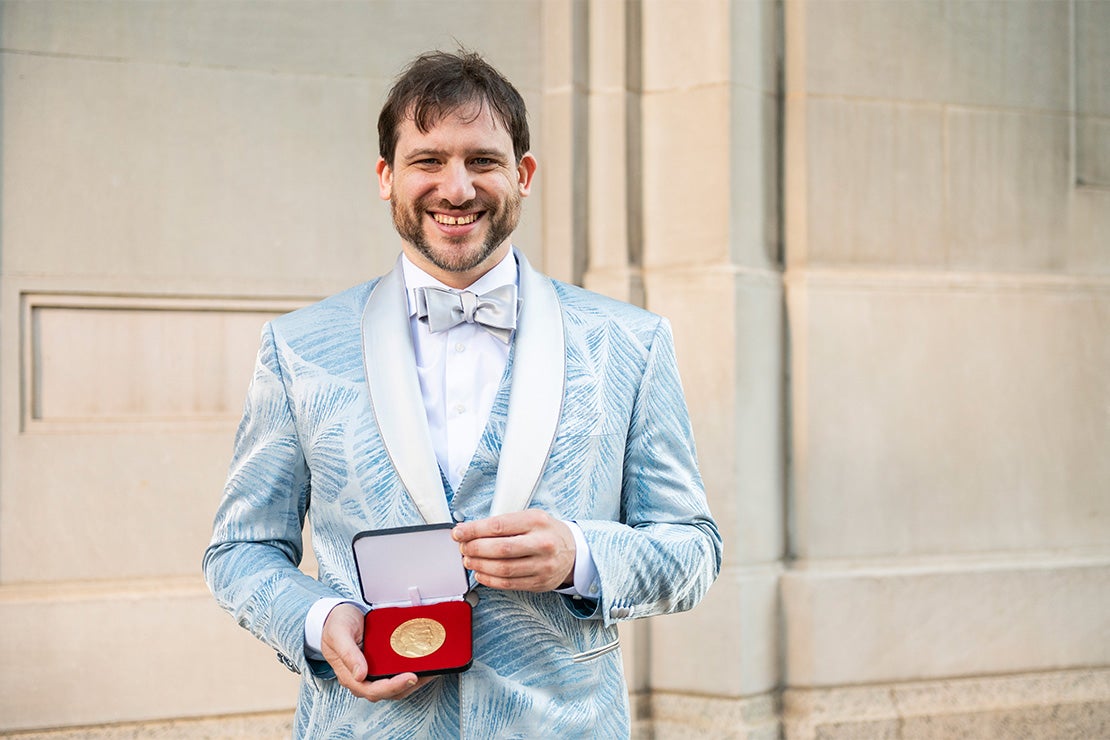
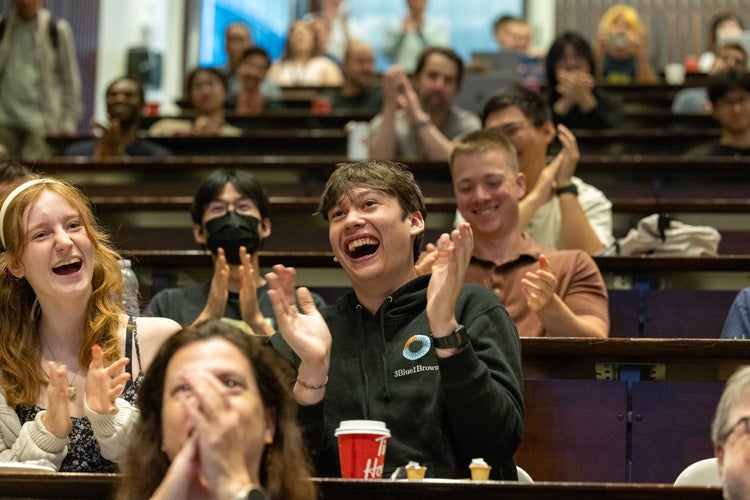
Jacob Tsimerman holds the Fields Medal. Credit: Allie Ippolito / University of TorontoStudents react to Tsimerman’s win at a U of T watch party. Credit: Johnny Guatto / University of Toronto
Ideas / Mathematics
A medal, a watch party and a room full of possibility
Jacob Tsimerman’s Fields Medal becomes a campus event—and a glimpse of what younger mathematicians can imagine.
Reported by Adina Bresge
When Jacob Tsimerman accepted the Fields Medal, students gathered at the Bahen Centre to watch. The room’s excitement mattered as much as the award: a difficult subject became a shared campus moment.
Tsimerman describes mathematics as a team sport. The summer image is generous and precise—an individual honour becomes a reason for other people to see themselves inside the work.
17Jul 22, 2026Research / Startups
BioLabs University of Toronto supports early life-sciences companies. Credit: University of Toronto / official source image
Research / Startups
A new runway for university biotech
BioLabs University of Toronto receives federal support to help early life-sciences companies move from research to reality.
Reported by U of T News Staff
Federal support for BioLabs University of Toronto will help early life-sciences companies access lab space, equipment and the people needed to turn research into a working venture.
It is a story about the middle distance between a promising result and a useful product—the place where founders, students and technical teams learn what the next experiment should be.
18Jul 16, 2026Technology / Teaching
U of T and Cohere announce a partnership on responsible AI adoption. Credit: University of Toronto / official source image
Technology / Teaching
A responsible AI partnership starts with practice
U of T and Cohere turn attention to how advanced models can be adopted with care, not just speed.
Reported by U of T News Staff
A new partnership between U of T and Cohere focuses on responsible AI adoption at scale, connecting technical capability with the institutional habits that make it trustworthy.
For students and alumni, the useful question is not whether AI will enter more workplaces. It is how teams will learn to test outputs, explain decisions and keep people accountable.
19Jul 15, 2026Climate / Everyday life
An environmental chemist brings research on persistent chemicals into everyday life. Credit: University of Toronto / official source imageResearch materials help make an invisible chemical problem visible. Credit: University of Toronto
Climate / Everyday life
The chemistry hiding in the living room
An environmental chemist brings the question of persistent chemicals out of the lab and into ordinary products.
Reported by U of T News Staff
A U of T environmental chemist is studying the persistent chemicals that move through everyday products and into ordinary rooms. The work makes an abstract environmental problem tangible.
The summer lesson is a good one for any crowded home or campus: notice what a product is made to do, what happens after use and which questions still have no easy label.
20Jul 13, 2026Sport / North
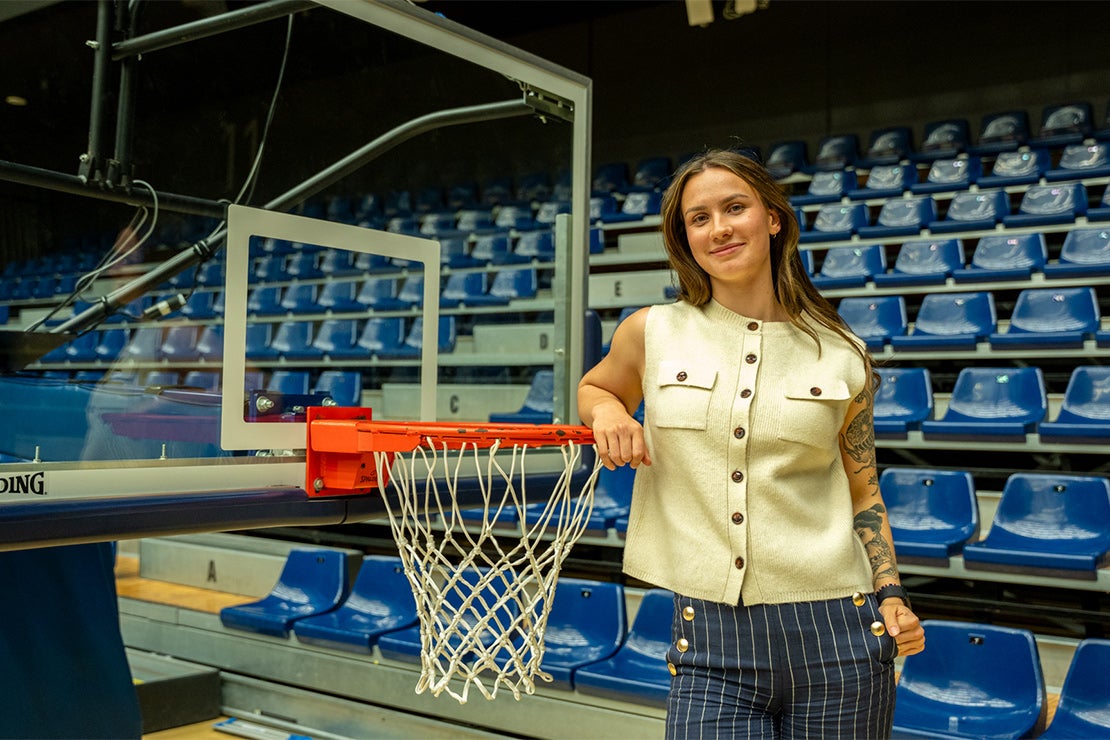
A women’s collegiate basketball tournament organized in Canada’s North. Credit: University of Toronto / official source image
Sport / North
A basketball tournament makes its own court
A first-year student helps create a women’s collegiate tournament in Canada’s North, turning an idea into a gathering.
Reported by U of T News Staff
A U of T student helped organize a women’s collegiate basketball tournament in Canada’s North, building a platform for competition where one did not yet exist.
The result is a summer-sized piece of university work: identify a missing space, invite people into it and keep going until the event feels inevitable.
Closing note / next season
Keep one summer question moving.
A good issue does not close the loop. It gives the next question a place to start.
The season between terms is not an empty pause. It is where routes become visible: a student carries a campus lesson home, an alum brings a tool back to a burned landscape, a research partnership makes room for the next experiment.
For readers, the practical version is small. Save one source. Send one thoughtful message. Visit one changed room. Ask what the people around you are making possible, and what would help them continue.
The next issue can begin there—with the question that survived the summer.
Set up a study notebook, find the gaps in your understanding and work through the next difficult concept one step at a time. Availability and eligibility vary by region and account.
A biomedical researcher whose route to a PhD began with a second chance. Credit: University of Toronto / official source image
People / Research
From Cs and Ds to a PhD bench
A biomedical researcher looks back at the teachers, habits and second chances that changed the direction of his work.
Reported by U of T News Staff
A U of T researcher’s path from uneven school results to biomedical research is less a comeback story than a record of accumulated help: a teacher, a laboratory and the decision to keep asking a better question.
That makes the story useful beyond its headline. A university can change a life through a sequence of small invitations, long before a degree makes the change visible.
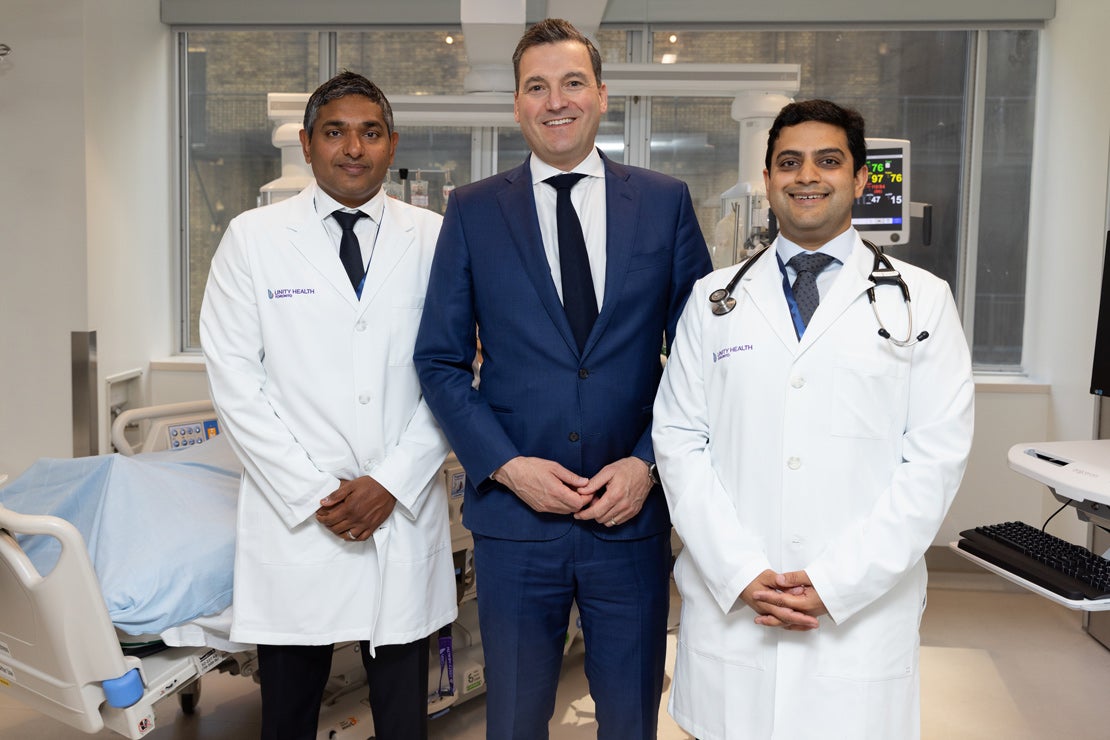
Researchers and health-care partners work across the gap between evidence and practice. Credit: University of Toronto / official source image
Health / Systems
A health-care project starts with the handoff
Unity Health and U of T researchers are testing how data, teams and bedside practice might move together.
Reported by U of T News Staff
The project led by Unity Health and U of T researchers begins with a practical question: how can evidence move from a research setting into the ordinary decisions made by health-care teams?
Its ambition is not a single gadget or dramatic fix. It is a better handoff between people, data and institutions—exactly the kind of invisible infrastructure that determines whether a promising idea survives contact with a busy system.
23Aug 7, 2026Ideas / Rankings
A ranking offers one measured view of U of T’s research reach. Credit: University of Toronto / official source image
Ideas / Rankings
The research reputation keeps moving
U of T places fourth globally in the NTU ranking, a snapshot of research performance rather than a complete university portrait.
Reported by U of T News Staff
U of T placed fourth globally and second among public universities in the 2026 NTU World University Rankings. The result is built from research indicators, not from a single measure of campus life.
Rankings are useful when treated as a lens. They show one kind of institutional reach; they do not replace the slower work of teaching, mentoring, building and making a university feel like a place.
24Aug 5, 2026Research / Materials
A materials research team uses AI to explore stronger alloys. Credit: University of Toronto / official source image
Research / Materials
An alloy designed for the hard conditions
Researchers use AI to search for metal combinations that can keep their strength when heat and pressure rise.
Reported by U of T News Staff
Researchers are using AI to explore metal alloys that can perform under extreme conditions. The model narrows a large design space, helping the team focus its experiments where the material might actually hold together.
The important shift is not that software replaces a materials scientist. It is that computation makes more questions testable, leaving the human team to decide which result deserves a furnace, a microscope and another round of work.
25Jul 23, 2026Ideas / Mathematics
Jacob Tsimerman’s Fields Medal brings mathematics into the public life of campus. Credit: University of Toronto / official source image
Ideas / Mathematics
A Fields Medal turns a theorem into a gathering
Jacob Tsimerman’s award gives the wider university a reason to watch, ask questions and see mathematics as a public event.
Reported by U of T News Staff
Jacob Tsimerman’s Fields Medal is an individual distinction, but the U of T story around it is collective. Students, colleagues and younger mathematicians gathered around a result that can take years to explain and a lifetime to reach.
The award changes the atmosphere around a subject. For one afternoon, an abstract problem becomes a campus invitation: come closer, listen carefully and imagine what difficult work might make possible.
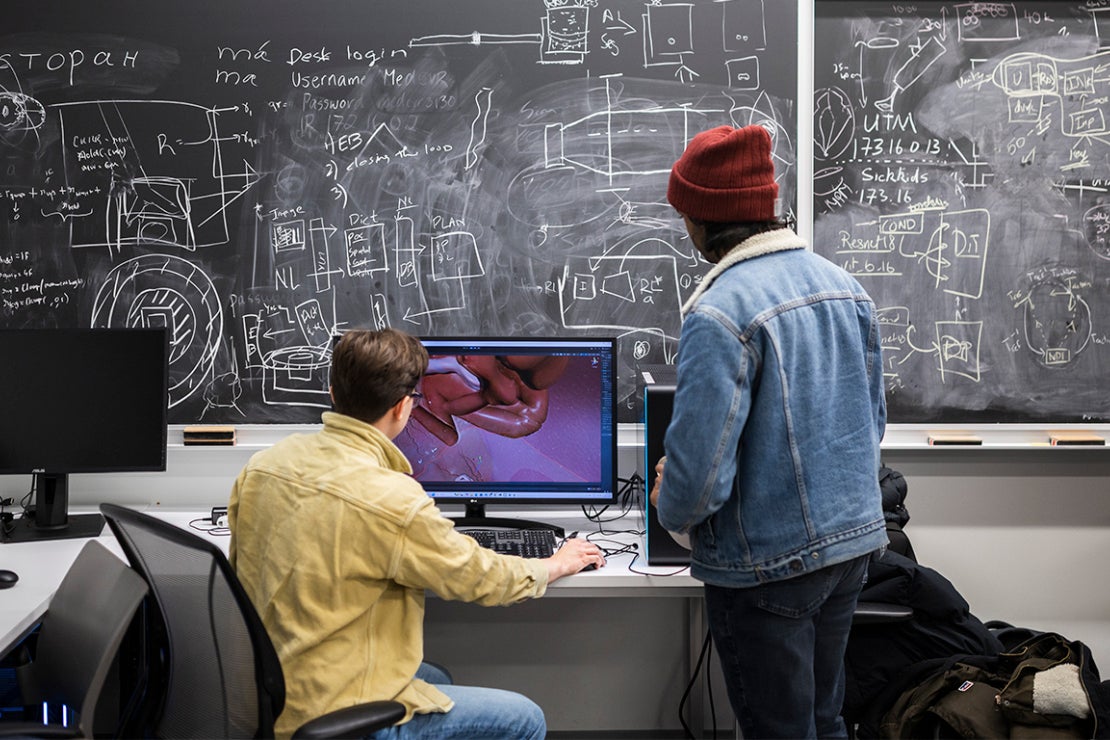
A virtual-reality study examines how the mind builds a sense of scale. Credit: University of Toronto / official source image
Research / Perception
A virtual body changes the scale of a room
A virtual-reality study asks what happens when perception makes a body feel larger than it is.
Reported by U of T News Staff
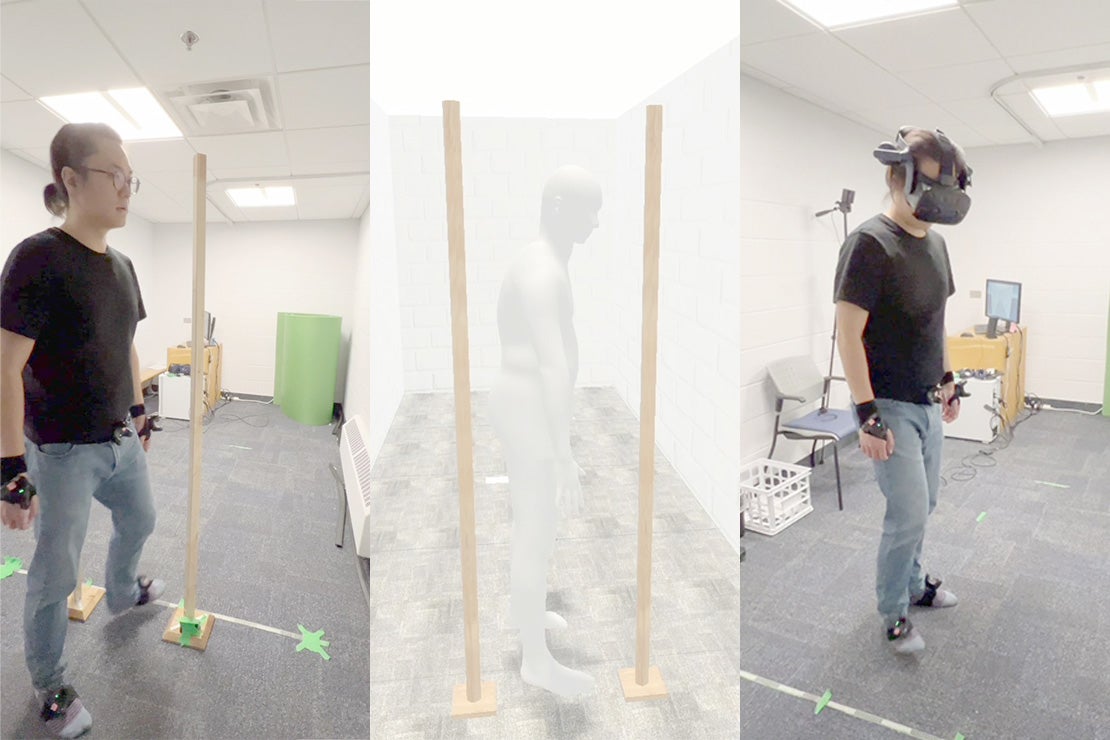
A U of T study uses virtual reality to examine how people perceive their own body size. By changing the visual relationship between the body and the room, researchers can observe how quickly a sense of scale can move.
The result is a reminder that perception is not a passive camera. It is an active construction—one that can be tested, unsettled and perhaps better understood through carefully designed experiences.
27Jul 21, 2026Health / Childhood
Research follows the long health effects of sugary beverages consumed in childhood. Credit: University of Toronto / official source image
Health / Childhood
A sweet drink can leave a long shadow
New research connects sugary beverages in childhood with a higher risk of hypertension later in life.
Reported by U of T News Staff
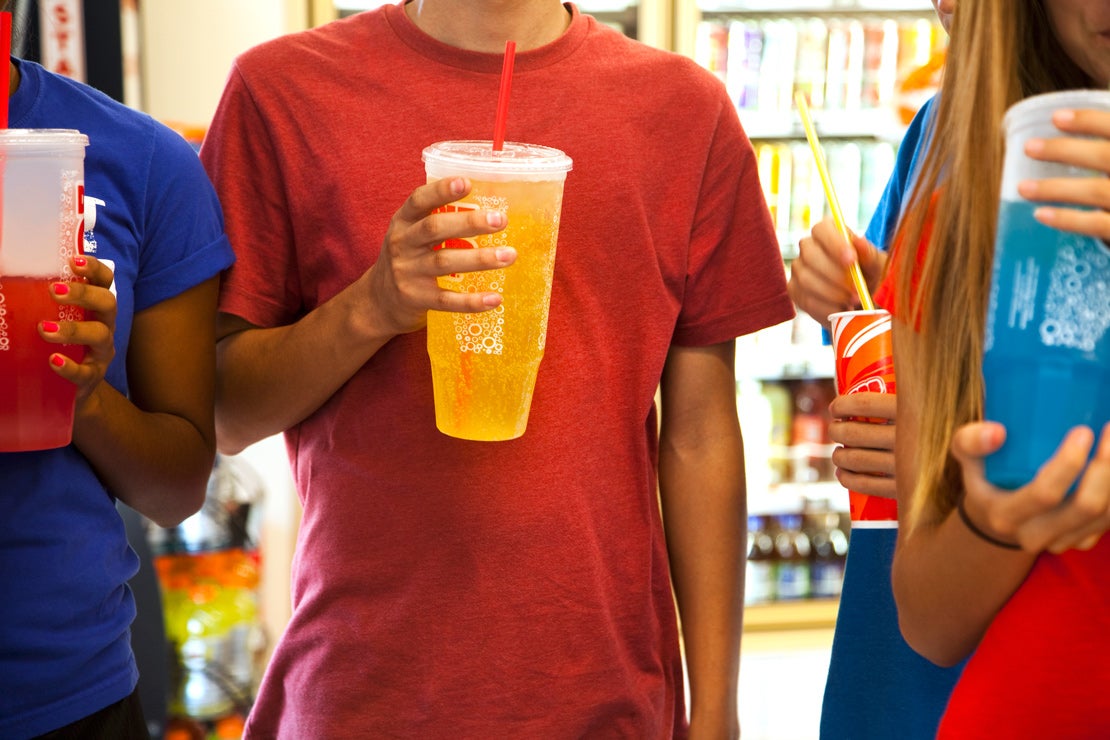
Researchers report a link between sugary-beverage consumption in childhood and a higher risk of hypertension in adulthood. The value of the finding is its long time horizon: the habits under study are ordinary, but the possible effect is not.
A good health story leaves room for context. Association is not destiny, and one study is not a personal diagnosis. It is a reason to ask better questions about environment, access and the routines that become normal.
A study maps a brain pathway associated with nocebo pain. Credit: University of Toronto / official source image
Research / Pain
The brain pathway behind a bad expectation
A study of nocebo pain looks at how expectation can become part of the body’s response.
Reported by U of T News Staff
Researchers have identified a brain pathway linked to nocebo pain, the experience in which a negative expectation can worsen how a person feels. The work gives a biological shape to a phenomenon people often describe only as psychological.
The careful reading matters. Understanding the pathway does not make pain imaginary or make treatment simple. It gives future research a more precise place to look when expectation becomes part of the symptom.
29Jul 14, 2026Technology / Research
A U of T initiative puts advanced AI tools inside research workflows. Credit: University of Toronto / official source image
Technology / Research
A million credits for the research question
A new U of T Data Sciences Institute initiative puts advanced AI access inside the work of researchers.
Reported by U of T News Staff
The U of T Data Sciences Institute is leading an initiative that will award $1 million in Claude credits for AI-powered research. Access is the headline, but the larger question is what researchers will choose to do with it.
Tools become valuable when they are placed inside a real method: a dataset, a lab question, a careful comparison and someone responsible for the conclusion. The credit is an opening, not the answer.
30Aug 13, 2026Ideas / History
A U of T history course finds a wider classroom online. Credit: University of Toronto / official source image
Ideas / History
A difficult history finds a wider classroom
Timothy Snyder’s U of T course on Hitler and Stalin moves online, opening a demanding set of questions to a larger audience.
Reported by U of T News Staff
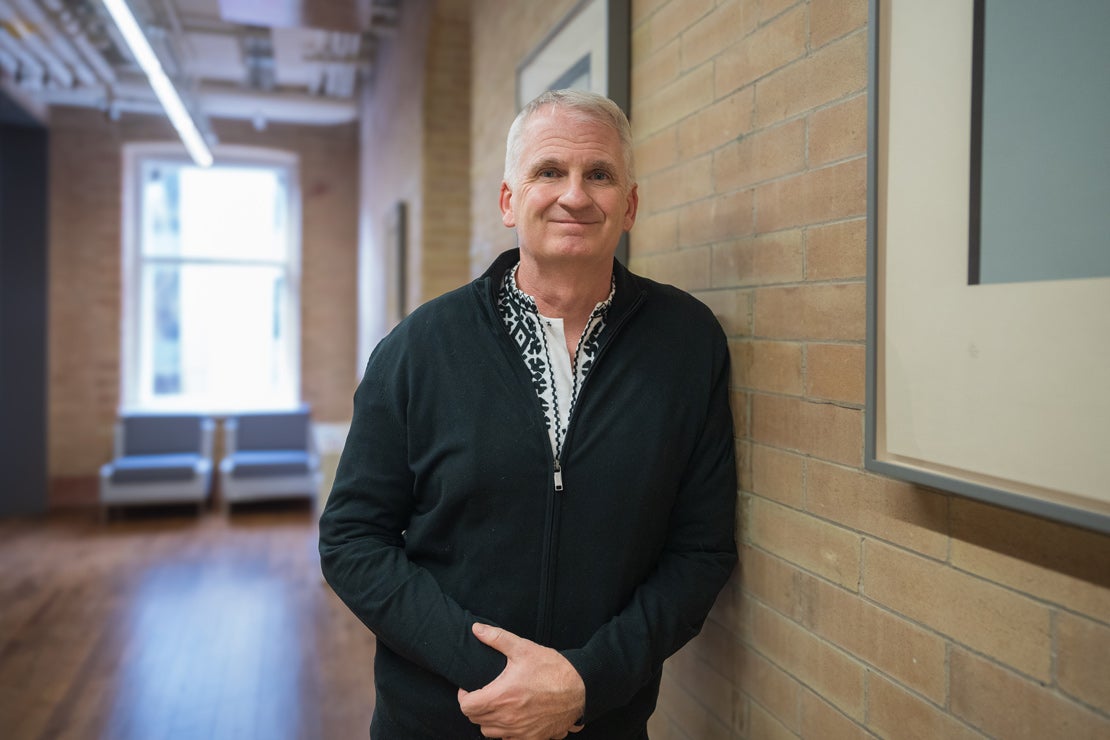
Timothy Snyder’s course on Hitler and Stalin is now available on YouTube, carrying a U of T classroom conversation beyond the people who could sit in the room.
The format changes the audience, not the subject. Historical thinking still asks for patience, distinctions and an ability to resist the easy story—the same habits that make a public conversation worth having.
A student brings Indigenous perspectives into conversations about emerging energy projects. Credit: University of Toronto / official source image
Energy / Community
Learning energy work from the people who live with it
A U of T student brings Indigenous perspectives into the emerging energy projects that will shape northern communities.
Reported by U of T News Staff
A U of T student is working to integrate Indigenous perspectives into emerging energy projects. The story makes energy less abstract: projects arrive in places with histories, responsibilities and people who will live with the consequences.
The useful distinction is between consultation as a moment and relationship as a practice. Better infrastructure begins by making room for local knowledge before the plan is finished.
32Aug 28, 2026Alumni / Climate
Emily Hunter reflects on the long work of environmental action. Credit: University of Toronto Alumni / official source image
Alumni / Climate
The work of changing how a city grows
Emily Hunter carries environmental urgency into the practical work of community, policy and public attention.
Reported by U of T Alumni Staff
Emily Hunter’s climate work is rooted in a simple refusal: environmental concern should not remain an abstract feeling. It has to become organizing, public language and pressure on the institutions that shape daily life.
For alumni watching the climate conversation harden into familiar slogans, her example is a useful reset. The work is not only to be right; it is to make the next action easier for someone else to take.
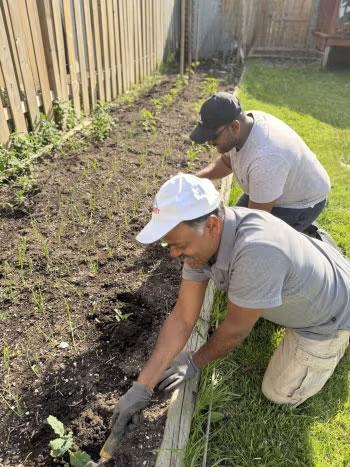
A U of T Scarborough graduate connects food research with community work. Credit: University of Toronto Alumni / official source image
Alumni / Food
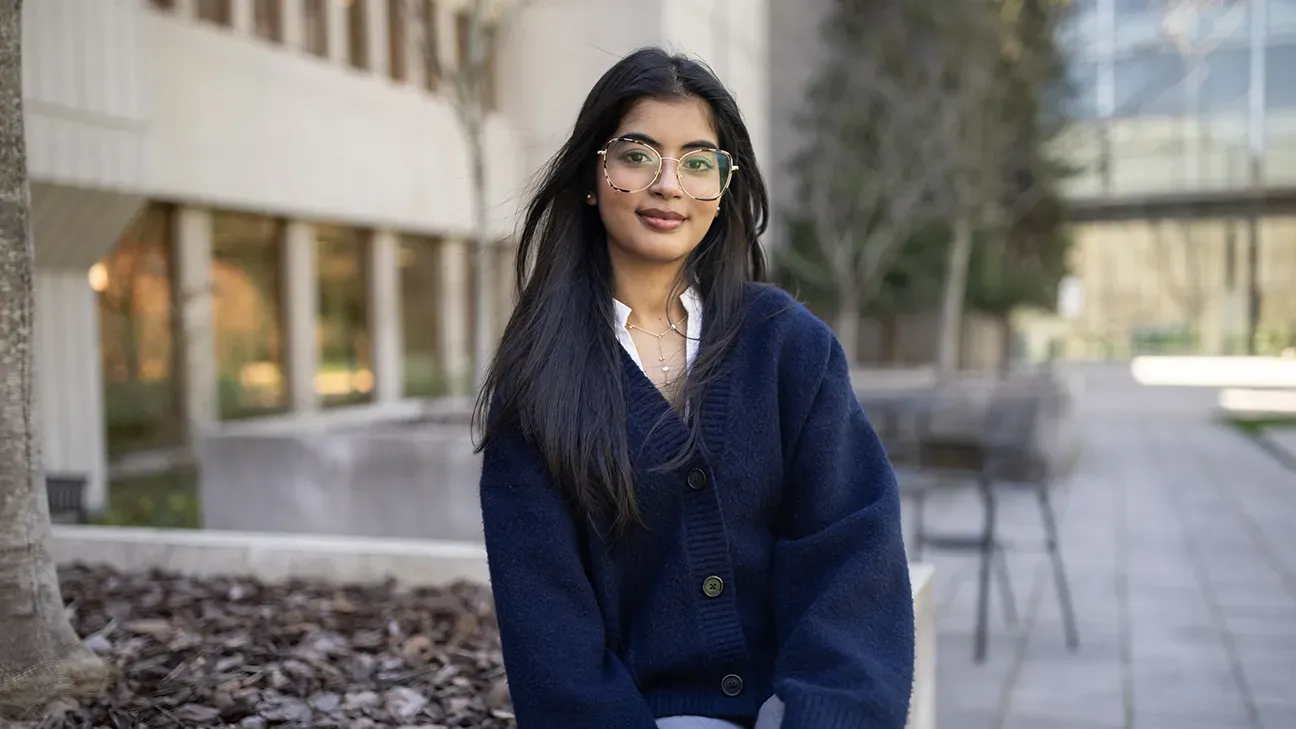
A Scarborough education becomes a food-security practice
Inspired by his father, a U of T Scarborough graduate connects research with the work of feeding and organizing a community.
Reported by U of T Alumni Staff
This graduate’s work begins with family memory and grows into food-security research. The connection matters because hunger is never only a question of supply; it is also about trust, neighbourhoods and the dignity of being seen.
U of T Scarborough becomes part of the story as a place where curiosity can remain close to community work. The degree travels further when it gives someone a better way to notice what is missing.
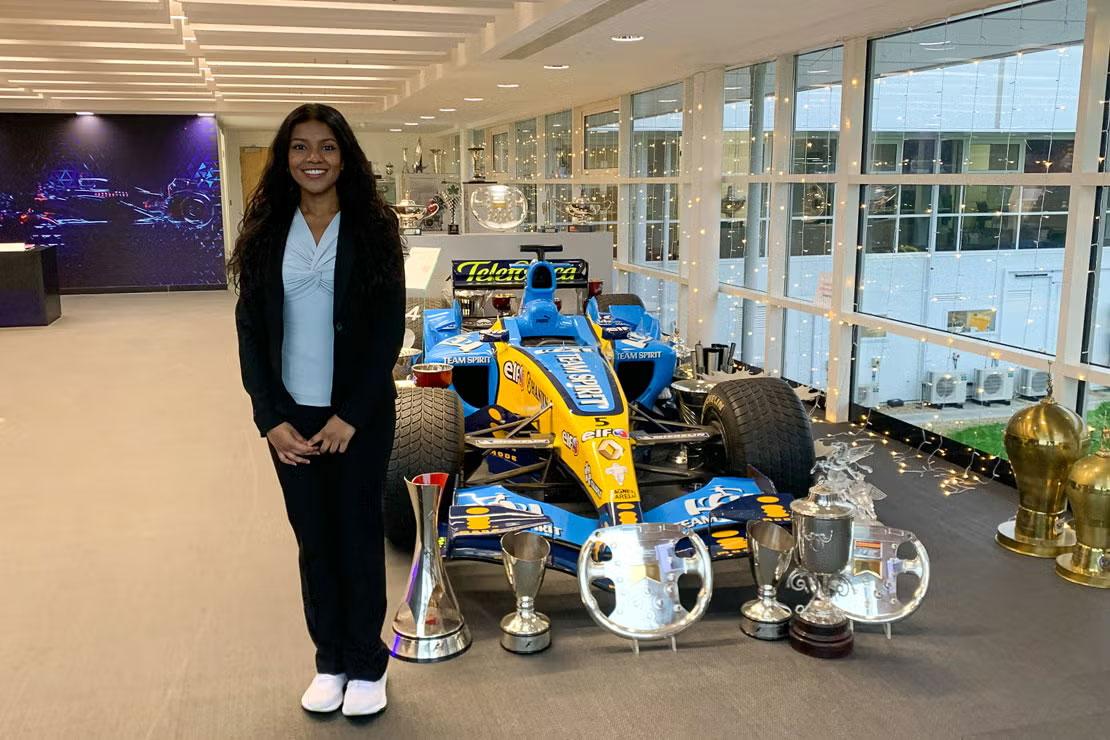
A U of T graduate carries an engineering education into Formula 1. Credit: University of Toronto Alumni / official source image
Alumni / Work
From aerospace to the F1 pit lane
Internships become a route into engineering work for a U of T graduate who kept looking for the next technical room.
Reported by U of T Alumni Staff
A U of T graduate’s path from aerospace into Formula 1 is built from the unglamorous parts of early work: internships, applications, new software and the willingness to ask how a team actually makes decisions.
The story is less about a glamorous destination than the accumulation of evidence. Each placement added a skill, a contact or a clearer sense of where engineering could meet speed.
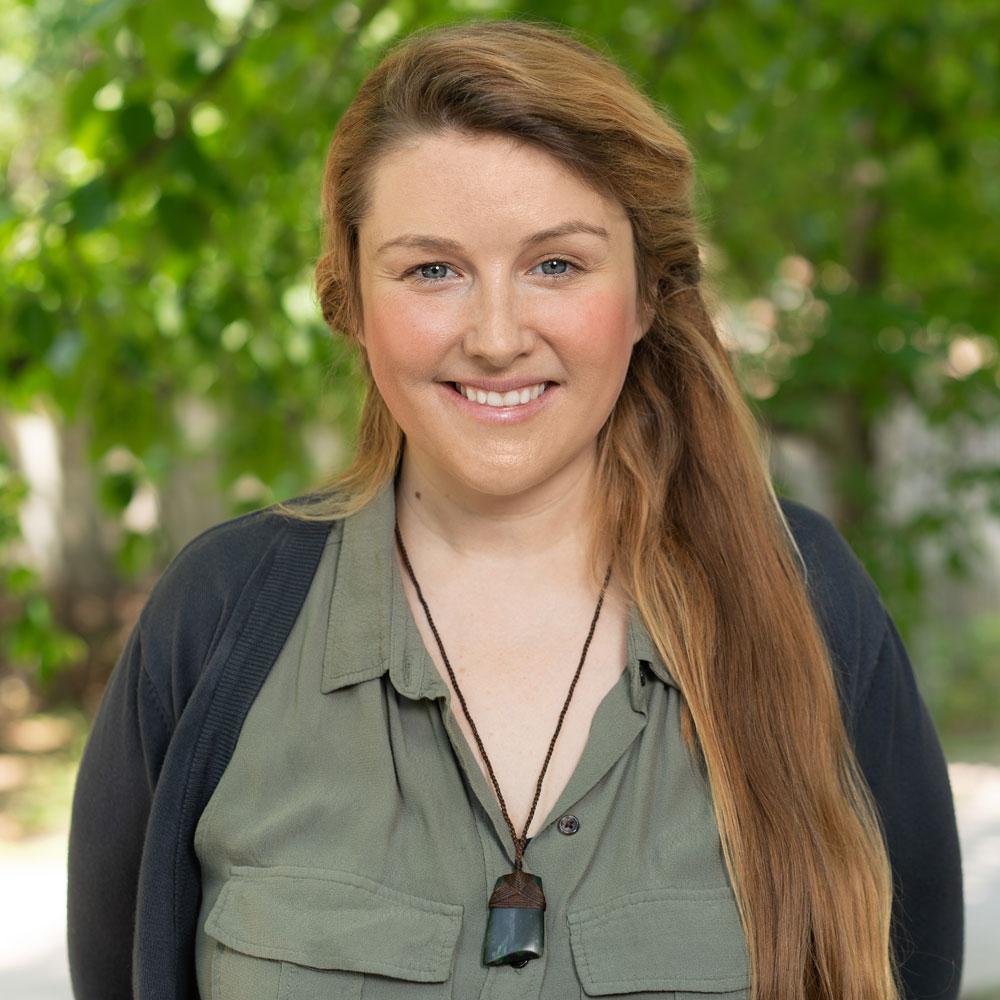
Ruqaiya Rahman reflects on finding support and building it for others. Credit: University of Toronto Alumni / official source image
Alumni / Community
Success becomes useful when it is passed on
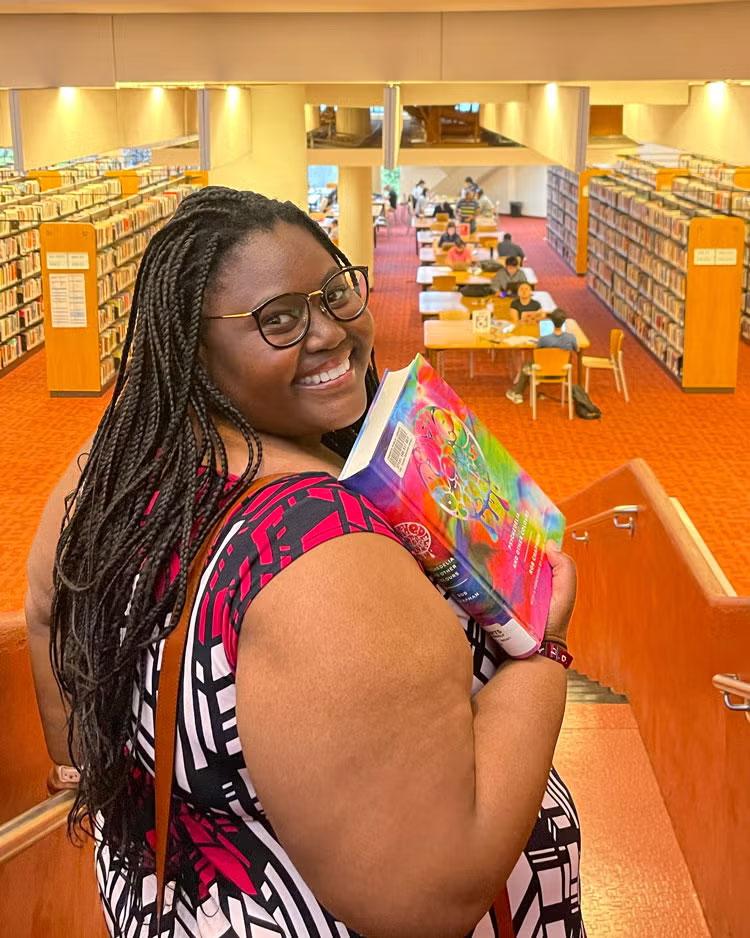
Ruqaiya Rahman turns an uneven university journey into support for the students who come after her.
Reported by U of T Alumni Staff
Ruqaiya Rahman’s story is about finding a route through university that did not exist in a neat line. Setbacks became information; support became something she could later offer to someone else.
That is one of the quiet forms of alumni impact. A person does not have to leave campus with a perfect narrative. Sometimes the most valuable thing to carry forward is a map of the difficult parts.
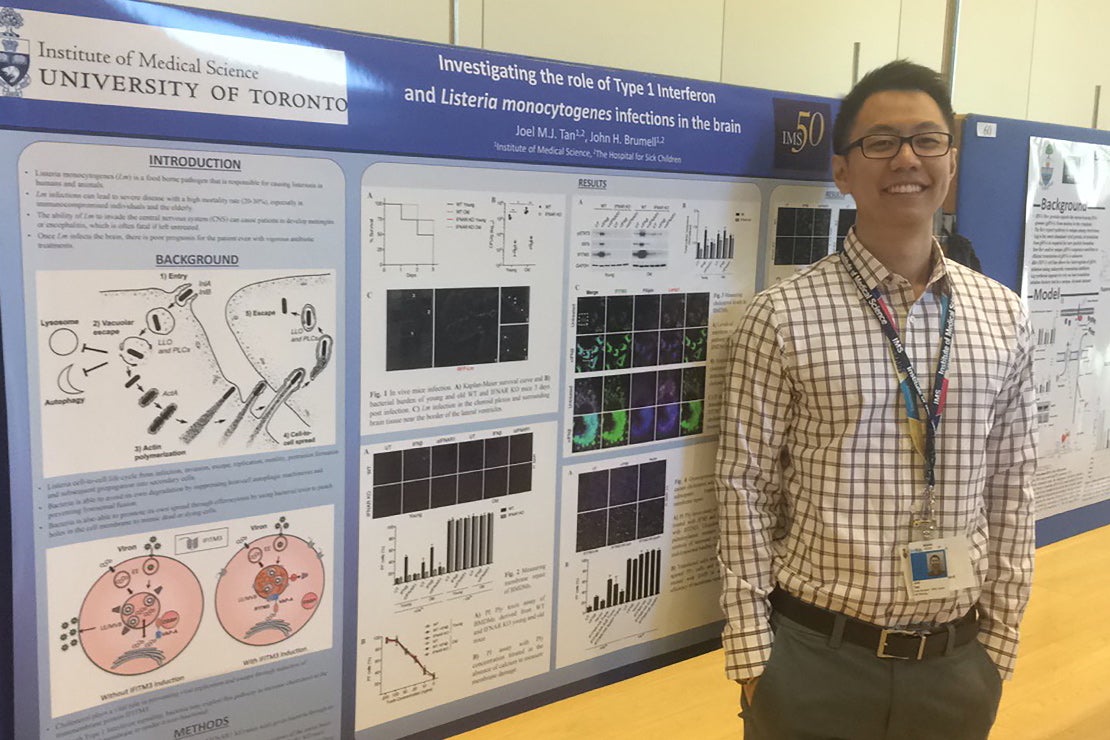
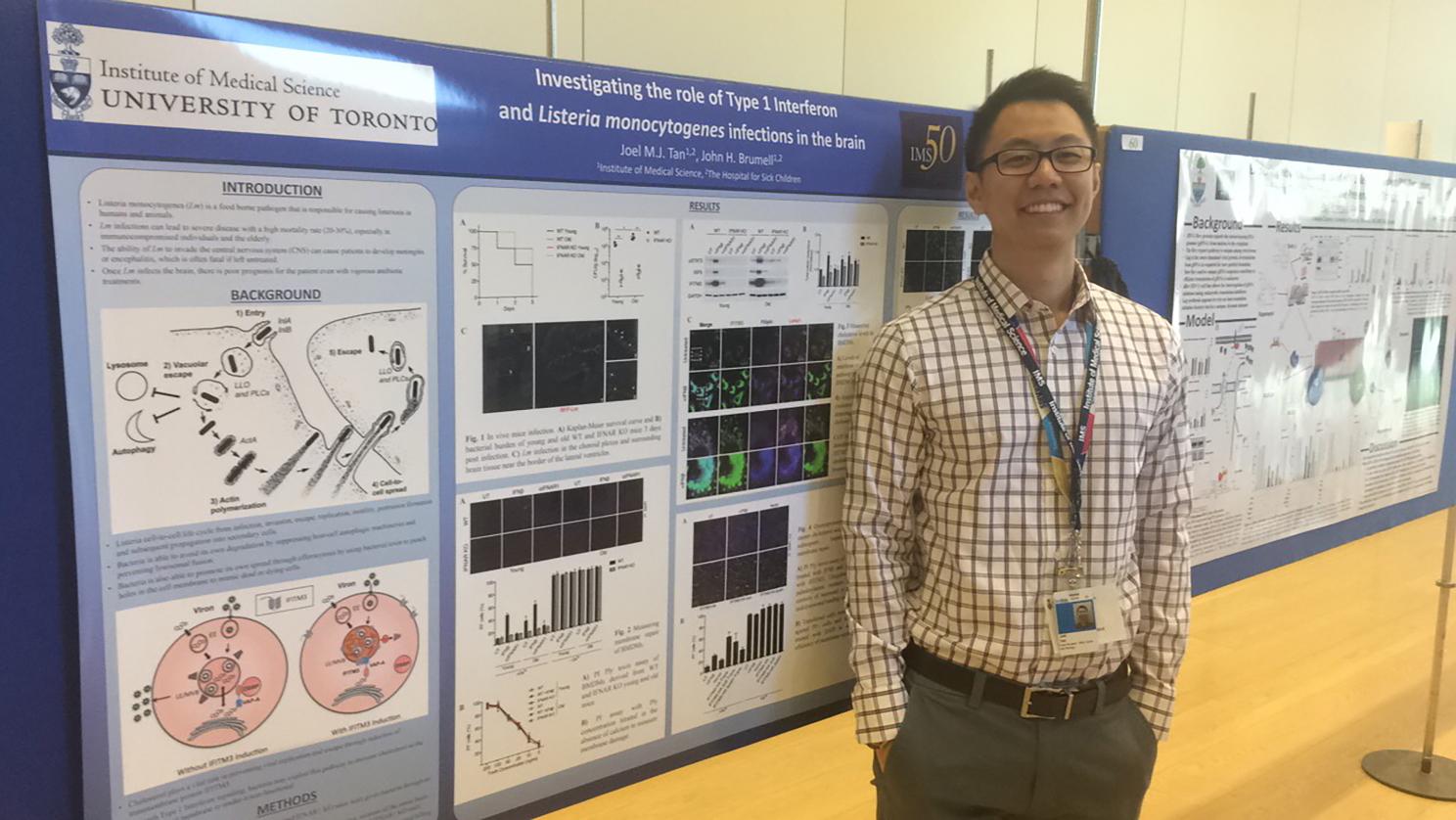
Joel Tan traces the people and opportunities that led him into research. Credit: University of Toronto Alumni / official source image
Alumni / Research
A chance becomes a life in the lab
Joel Tan’s story follows the teachers, family and institution that helped a first opportunity become a research career.
Reported by U of T Alumni Staff
Joel Tan remembers the people who made research feel possible before he had a clear plan for it. Family, teachers and a university opportunity created the conditions for a student to see himself as someone who could contribute.
The story’s force is cumulative. A life changes through a series of people who say yes early enough—and through the later decision to become that person for someone else.
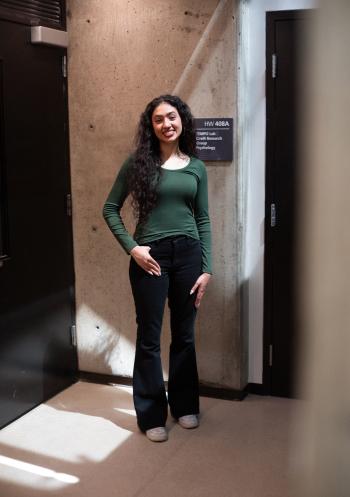
A UTSC graduate builds a clinical psychology career from curiosity and research. Credit: University of Toronto Alumni / official source image
Alumni / Psychology
Curiosity finds a clinical direction
A UTSC graduate turns questions about people into a path through research, practice and clinical psychology.
Reported by U of T Alumni Staff
A UTSC graduate’s route into clinical psychology began with curiosity about how people make sense of their lives. Coursework became research, research became experience and experience began to point toward a profession.
The transition from student to practitioner is rarely one decisive leap. It is a sequence of supervised work, patient listening and the humility to keep the question open a little longer.
A U of T graduate carries lessons from sport into research. Credit: University of Toronto Alumni / official source image
Alumni / Sport
The athlete who kept adding another discipline
Rowing, weightlifting and coaching become the training ground for a U of T graduate’s research questions.
Reported by U of T Alumni Staff
A U of T graduate moved through rowing, weightlifting and coaching before discovering that research could hold the same fascination as training: observe closely, adjust the method and return to the problem.
Sport supplies the story’s rhythm, but not its conclusion. The deeper lesson is that expertise can be built sideways, through practices that teach a person how to pay attention.
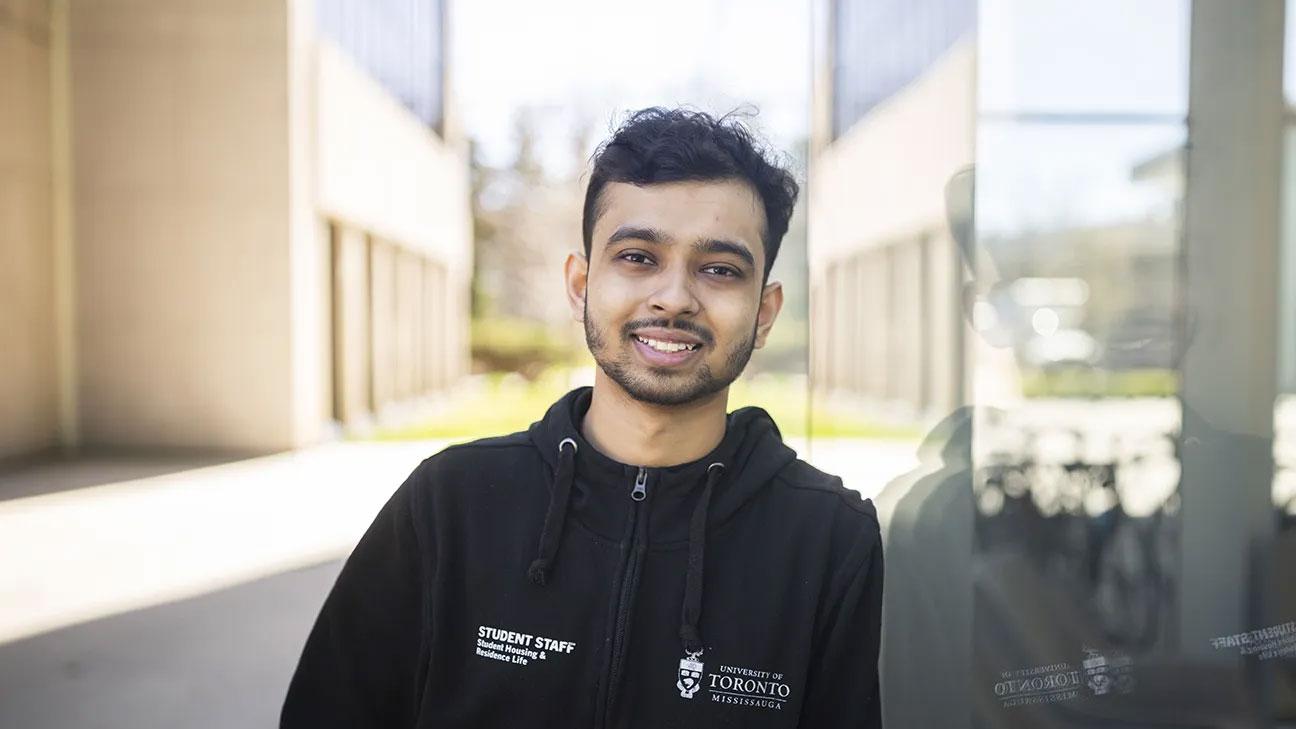
A UTM graduate connects community life with sustainability work. Credit: University of Toronto Alumni / official source image
Alumni / UTM
A sustainable education is also a local one
An international graduate finds that community and sustainability are not separate ambitions at U of T Mississauga.
Reported by U of T Alumni Staff
For this UTM graduate, sustainability is not a word reserved for a policy document. It is a way of paying attention to a campus, a community and the choices that connect one to the other.
The story makes the university feel less like a backdrop and more like a practice ground. The work of belonging includes learning how a place holds people, resources and responsibility at once.
Indigenous U of T graduates describe the work they are carrying into the world. Credit: University of Toronto Alumni / official source image
Alumni / Campus
Graduates carry more than a credential
Indigenous graduates set out across medicine, law and librarianship with a shared sense of responsibility to the communities they serve.
Reported by U of T Alumni Staff
The graduates featured here are entering different professions, but the stories share a concern with service: who is welcomed, whose knowledge is kept and what a professional responsibility looks like in practice.
Alumni work becomes meaningful when it changes the terms of the room. Medicine, law and librarianship each offer a way to widen access without asking people to leave their histories at the door.
A U of T graduate reflects on a second start and the support it made possible. Credit: University of Toronto Alumni / official source image
Alumni / Belonging
A second start becomes a way to help
One U of T graduate turns a difficult beginning into a steadier footing for herself and others.
Reported by U of T Alumni Staff
A difficult start at university can become a private story, or it can become knowledge someone else can use. This graduate chose the second route, turning experience into a more generous way of helping people find their footing.
The result is not a tidy success narrative. It is a reminder that confidence often arrives after the first useful action, not before it—and that community is built by making that action less lonely.
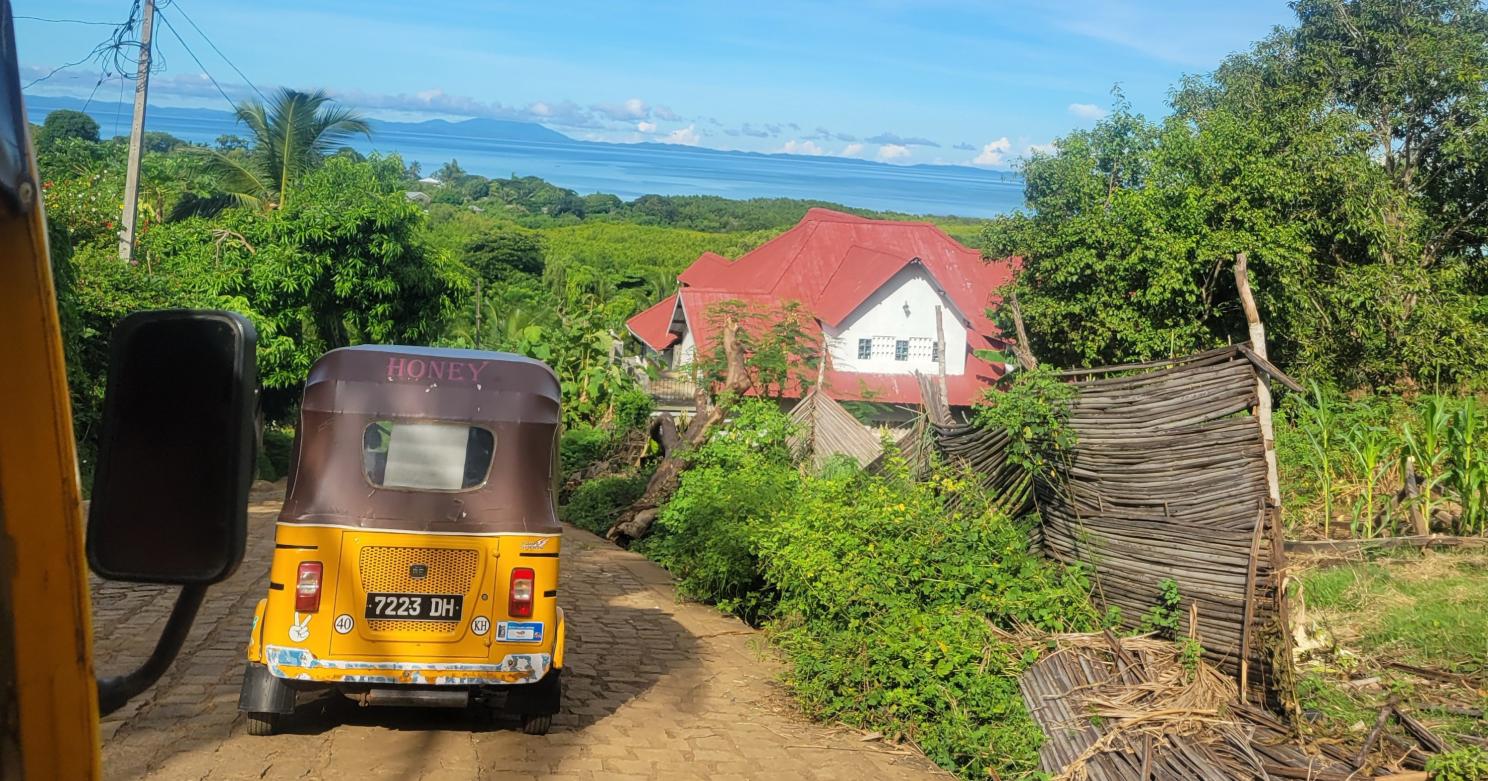
Kristen Tsai turns a Madagascar placement into a children’s book. Credit: University of Toronto Alumni / official source image
Alumni / Culture
A placement in Madagascar becomes a story for children
Kristen Tsai carries the textures of fieldwork into a book that invites younger readers to look outward.
Reported by U of T Alumni Staff
Kristen Tsai’s children’s book grows out of a placement in Madagascar, where close observation became a way of understanding a place without flattening it into a lesson.
The alumni connection is beautifully direct: a university experience becomes a cultural object that can travel to readers who have never been there. Curiosity changes shape, but it does not have to disappear.
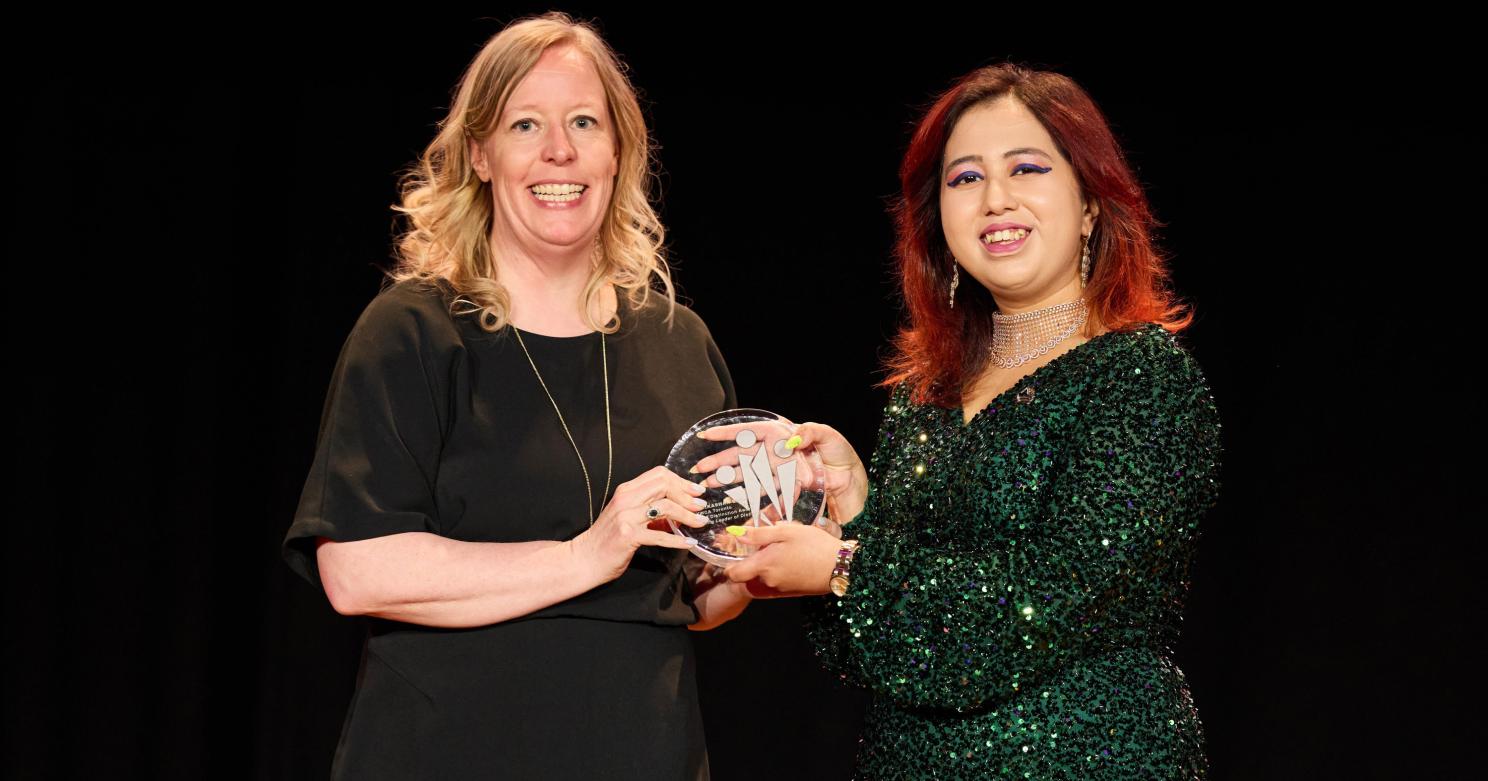
U of T alumni recognized at the 2026 YWCA Toronto Distinction Awards. Credit: University of Toronto Alumni / official source image
Alumni / Toronto
Recognition follows the work, not the other way around
U of T alumni take home 2026 YWCA Toronto Distinction Awards for work that has already changed the city around them.
Reported by U of T Alumni Staff
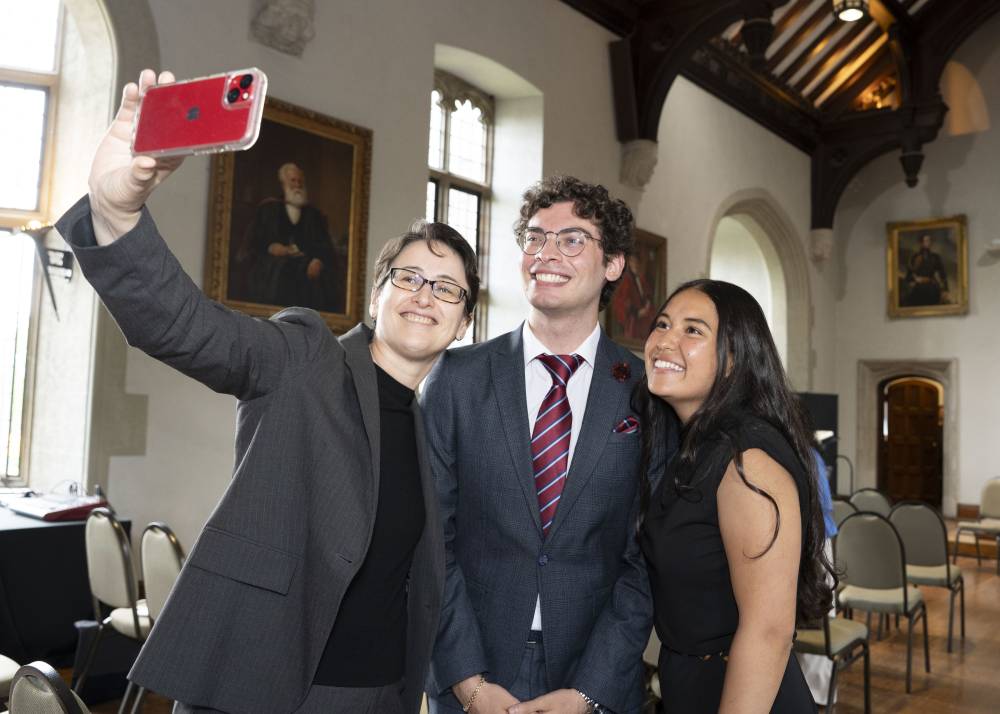
The U of T alumni recognized by the 2026 YWCA Toronto Distinction Awards work across fields, but their common thread is local consequence: an organization strengthened, a voice amplified or a public problem made harder to ignore.
Awards can freeze a moment. The better reading is forward. What matters is what the recognition lets these people do next, and which younger person now sees a route into the work.
The Pearson Scholars Class of 2026 reflect on the people who carried them forward. Credit: University of Toronto Alumni / official source image
Alumni / Community
The journey is made of the people beside you
The Pearson Scholars Class of 2026 closes one chapter with a reminder that shared effort outlasts a ceremony.
Reported by U of T Alumni Staff
The Pearson Scholars Class of 2026 is a cohort story before it is a graduation story. The scholars describe the mentors, friends and communities that made a difficult route feel possible.
The line that stays is not about arriving alone. It is about the people whose questions, patience and example become part of what a student can later give back.
A dancer carries a Hart House practice into the Toronto Tempo. Credit: University of Toronto Alumni / official source image
Alumni / Performance
From Hart House hip-hop to Toronto’s pro dance floor
A dancer’s route from campus practice to the Toronto Tempo shows how a student community can become a professional one.
Reported by U of T Alumni Staff
The move from Hart House hip-hop to the Toronto Tempo dance team is a story about repetition, confidence and the people who notice potential before it has a professional name.
Campus practice is often treated as a side plot. For this alum, it was the place where timing, collaboration and stage courage became a form of work.
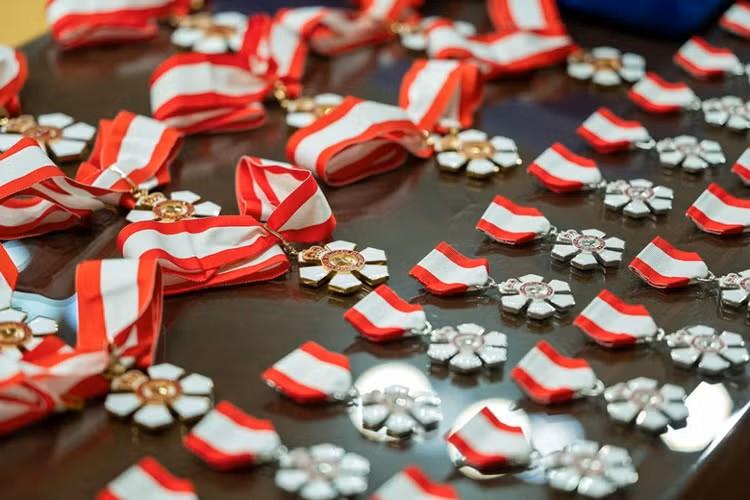
U of T alumni, faculty and community members recognized in the 2026 Order of Canada. Credit: University of Toronto Alumni / official source image
Alumni / Recognition
The public record gets a longer list
U of T alumni, faculty and community members appear among the 2026 Order of Canada appointments.
Reported by U of T Alumni Staff
The 2026 Order of Canada appointments include people connected to U of T through alumni, teaching, research and public service. The list is a reminder that university influence is rarely confined to one profession.
Recognition is useful here as a map, not a finish line. It shows the range of work that can begin in a classroom and continue through institutions, communities and decades of attention.
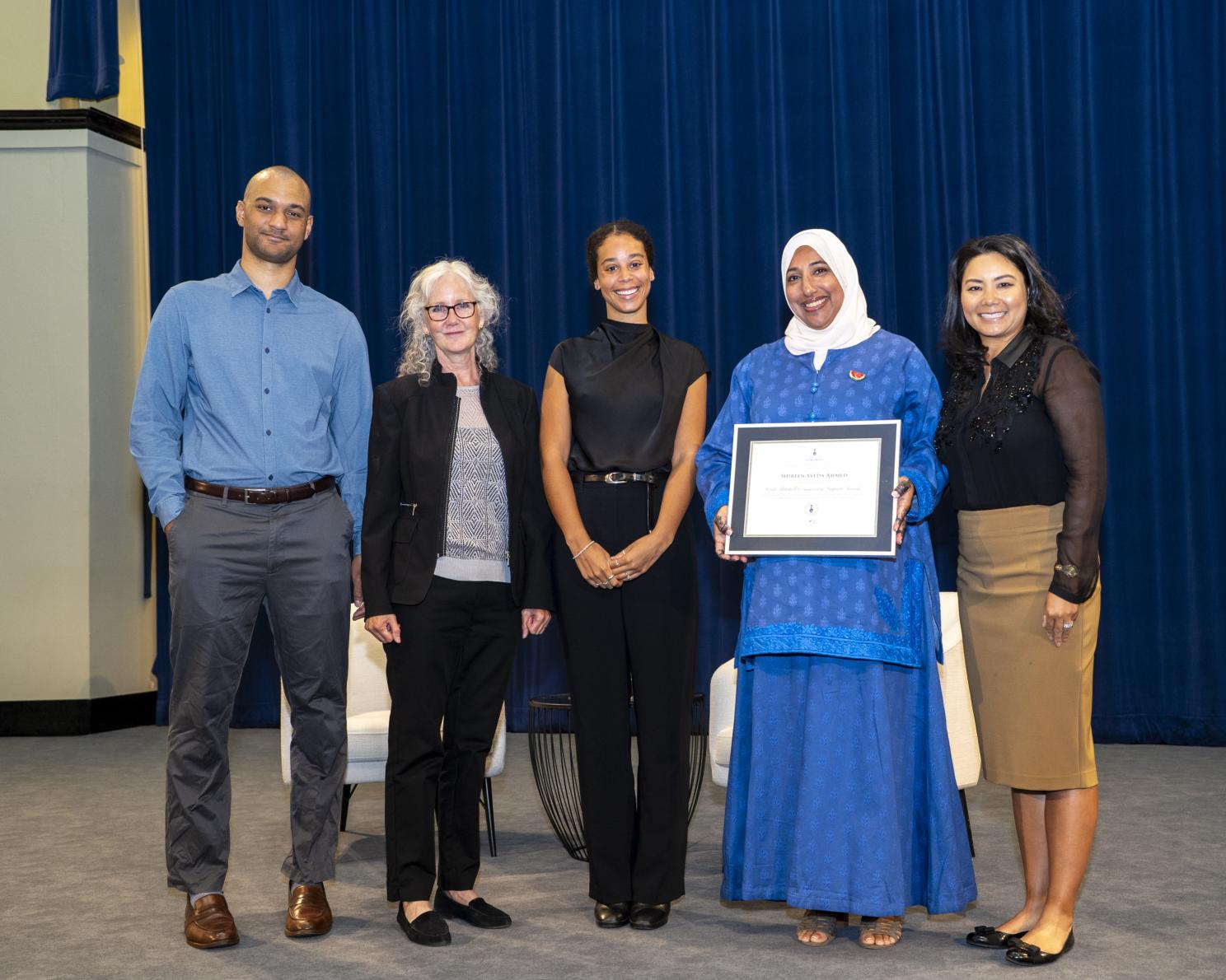
Shireen Ahmed receives the Carl Mitchell Community Impact Award. Credit: University of Toronto Alumni / official source image
Alumni / Sport
A sports journalist makes community visible
Shireen Ahmed receives the Carl Mitchell Community Impact Award after years of widening the frame around sport.
Reported by U of T Alumni Staff
Shireen Ahmed’s journalism has treated sport as a place where identity, access and power become visible. The Carl Mitchell Community Impact Award recognizes that widened frame as well as the reporting inside it.
For students learning the craft, the example is sharp: the subject is not only what happened on the field. It is who was invited, who was missing and who gets to tell the story afterward.
48Jul 2, 2026Alumni / Research
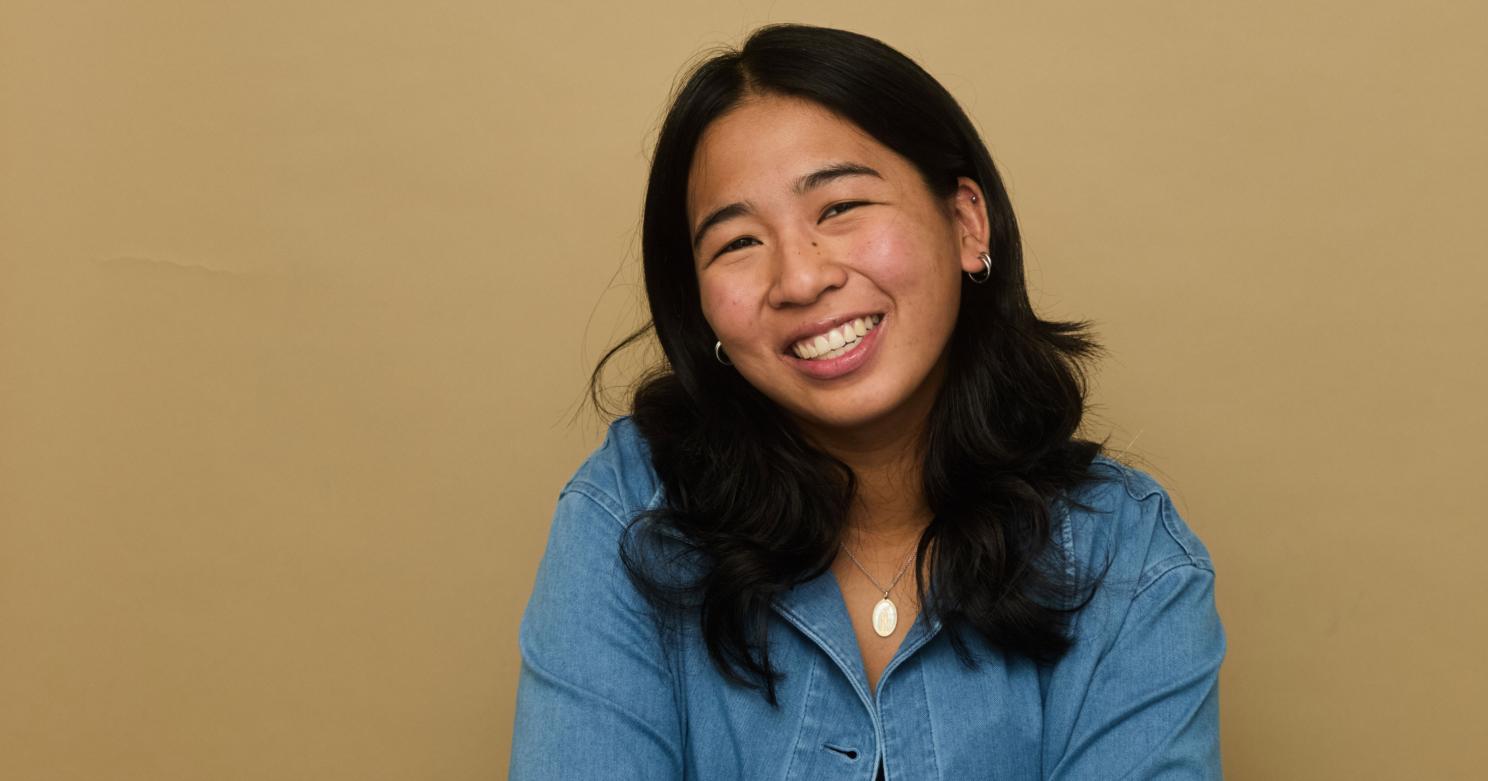
Emilda Thavaratnam reflects on the route from Sri Lanka to doctoral study. Credit: University of Toronto Alumni / official source image
Alumni / Research
A new graduate builds a long route to a PhD
Emilda Thavaratnam’s move from Sri Lanka to doctoral study is a story about patience, place and finding the right question.
Reported by U of T Alumni Staff
Emilda Thavaratnam’s route from Sri Lanka to doctoral study is built from several kinds of persistence: moving between places, learning the language of a new institution and staying with a question long enough for it to become research.
The story makes graduate school feel less like an abstract next step and more like a lived transition. A new chapter begins with logistics, but it is sustained by purpose.
U of T Scarborough researchers examine how to make AI smaller and more reliable. Credit: U of T Scarborough / official source image
UTSC / Research
Can a smaller AI model do more?
Scarborough researchers are working toward AI that is smaller, faster and more reliable without losing the point of the model.
Reported by U of T Scarborough Staff
Researchers at U of T Scarborough are exploring whether AI systems can become smaller, faster and more reliable. The engineering question is also a cultural one: what should a model be asked to carry, and what can be left out?
A smaller system is not automatically a better one. The promise lies in making performance, energy use and reliability visible enough that people can choose the right tool for the job.
50Aug 14, 2026UTSC / Ecology
A researcher holds a round goby during work on Great Lakes ecology. Credit: U of T Scarborough / official source image
UTSC / Ecology
The Great Lakes’ fish problem is measured in billions
UTSC researchers are looking for ways to stop invasive round goby from moving farther inland, even when eradication is unrealistic.
Reported by U of T Scarborough Staff
Round goby numbers in the Great Lakes are measured in the billions, making a total wipeout unrealistic. UTSC researchers are instead looking for ways to limit how the invasive fish spreads inland.
The ecological story is a lesson in practical scale. Conservation often begins after the perfect solution has disappeared, with a smaller intervention that can still protect the next shoreline.
Fill each row, column and 3 × 3 box with the digits 1–9, once each. Given numbers are fixed. Use Tab or arrow keys to move between cells. Check marks incorrect entries; reset clears your entries; reveal shows the solution.