Alumni Digest / Waterloo / Ideas /
Planting for a hotter future
A black spruce study asks which combinations of traits help trees cope.
The context
Where the work begins
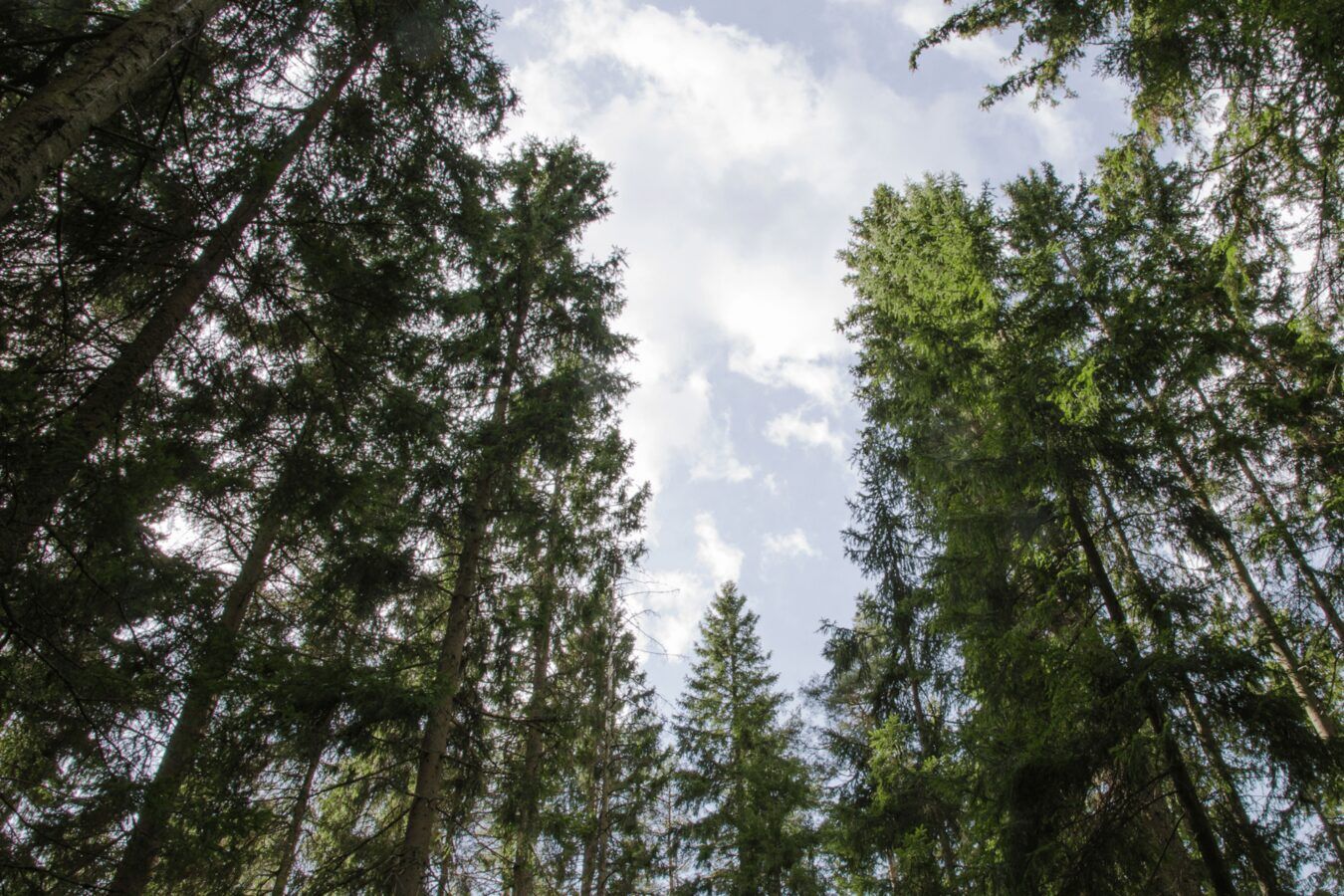
Biologist Julie Messier, MSc student Sabina Henry and collaborators examined black spruce growth in warmer, drier conditions. Better growth was associated with three traits together: fewer needles, conservative water use and conservative carbon use.
The takeaway
What follows
The combination matters. A single apparently helpful trait did not explain the pattern on its own. The research gives forest practitioners a more specific question to investigate when selecting trees for changing conditions; it does not establish that one planting strategy works everywhere.
Source reporting
Planting for a hotter future
Original summary by Alumni Digest, based on public source reporting. This independent publication is not affiliated with or endorsed by the University of Waterloo. Source image retained for editorial review; rights clearance is still required before any broader reuse.