Alumni Digest: UBC Edition is an independent, source-verified monthly digest covering 88 discoveries, alumni ventures, and Pacific Rim research from the University of British Columbia.
The Places We Become.
Past rooms. Future buildings. Lives in motion.
8 source-linked storiesSeptember 2026
Original editorial artwork / independent issue concept
Editor's note
What the place leaves with us.
Homecoming can mean a campus, a language, a career, a collection, a workplace or a table. This local review edition gathers 8 public stories from official UBC Magazine and UBC News pages, including current reporting and selected archive context.
Each story links back to original reporting and keeps its source host visible. This is an independent digest, not an official UBC publication. Source images remain rights-review required, and 87 of 88 Jev news classifications remain below the frozen confidence threshold for human review.
A global alumni footprint
435k+members
145+countries
Public homepage statement observed September 19, 2026. It is not a count of readers or active participants.
UBC field notes
Campus, in three views.
Current campus, future construction and a recognizable UBC symbol: a small visual pause before the stories continue.
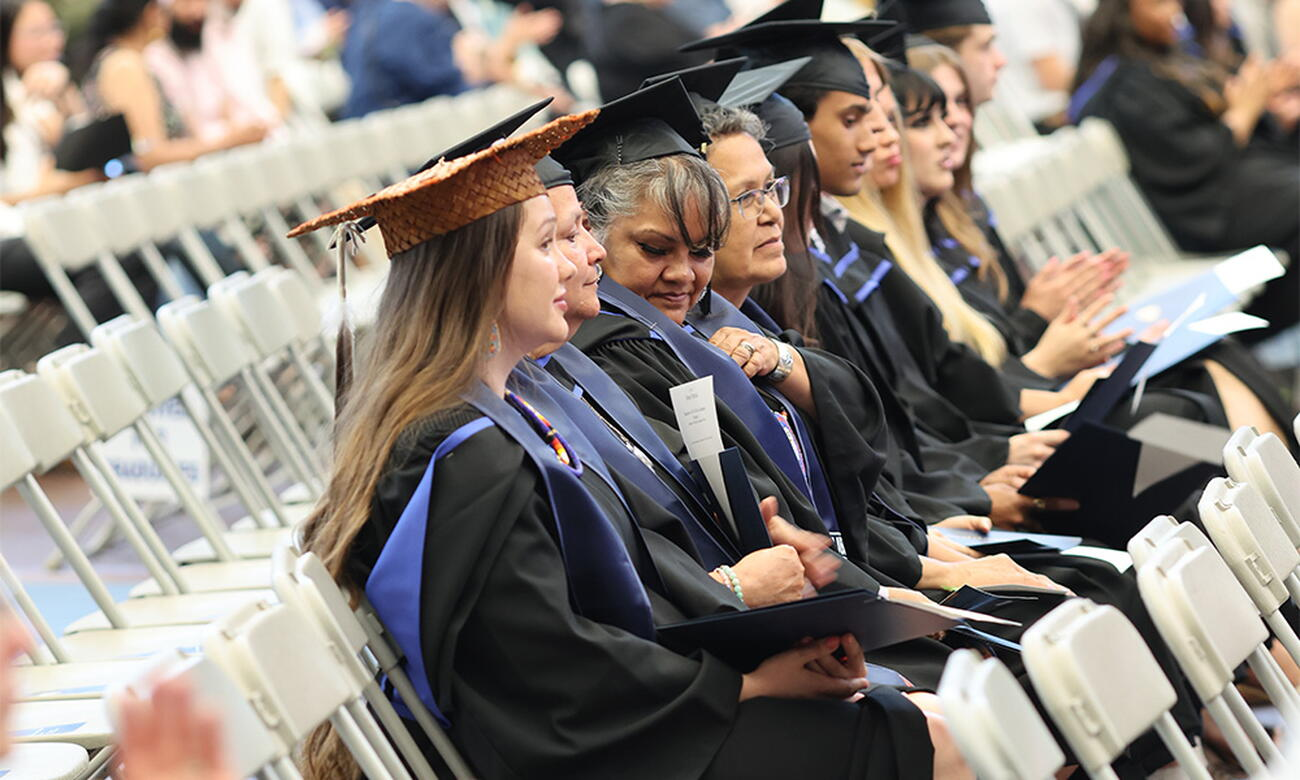
The inaugural St’át’imc Language Fluency graduates at UBC Okanagan.Source image and credit remain with UBC Magazine; reuse permission is unverified.
01 / 82026-08-21
Arts
A language degree becomes a community practice
UBC Okanagan’s first St’át’imc language graduates are carrying immersion, teaching and family life into the next chapter of revitalization.
Original reporting by David Trifunov
Four graduates make up the inaugural cohort of UBC Okanagan’s Bachelor of St’át’imc Language Fluency. The degree was built with community partners and follows earlier Interior Salish language programs at UBCO.
The source reports fewer than 50 fluent speakers in the northern St’át’imc area, making the cohort’s work part of a much larger effort to keep language in use. Graduates described applying what they learned in early-childhood education, at home and in continued study.
The story’s most durable image is not a credential alone. It is a circle of learners who supported one another across distance, then returned that learning to families and communities.
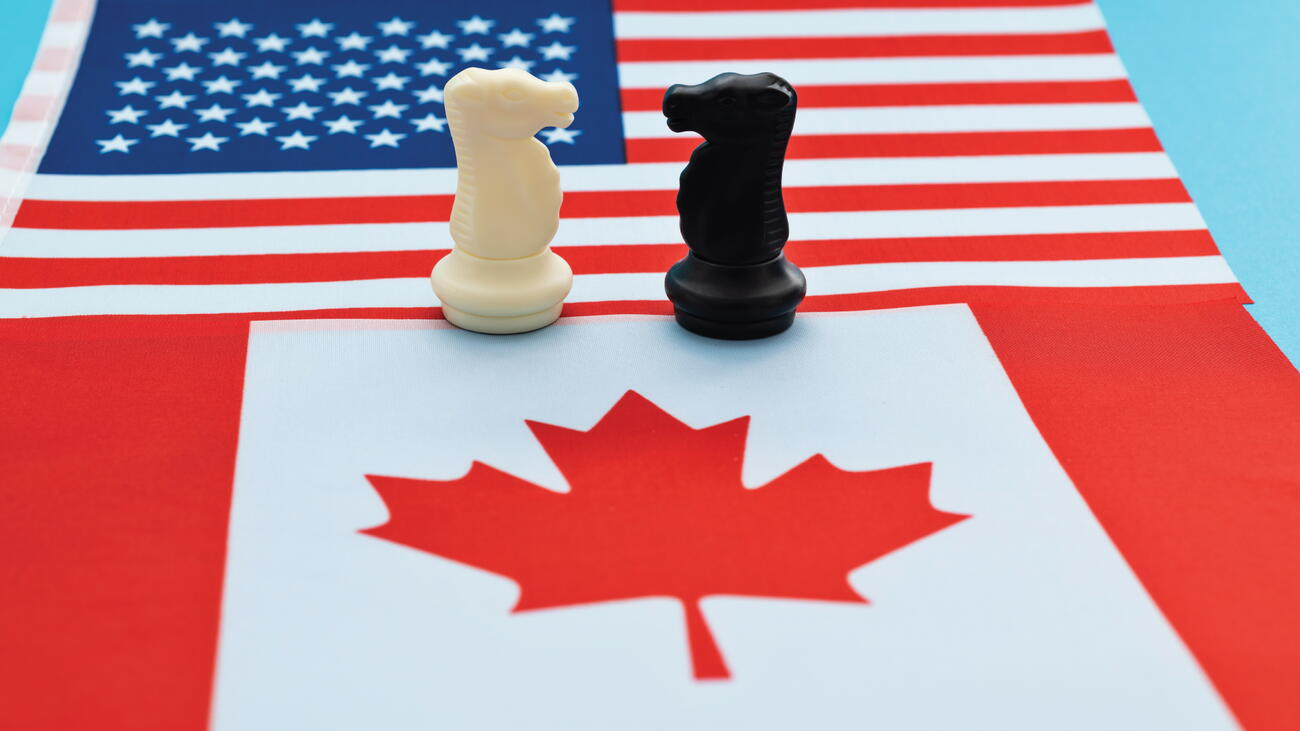
A visual meditation on Canadian and US economic interdependence.Source image and credit remain with UBC Magazine; reuse permission is unverified.
02 / 82026-09-18
Business
When dependence becomes leverage
UBC Sauder’s Harish Krishnan uses the Canada–US relationship to examine how economic power can reshape business decisions and supply chains.
Original reporting by Stewart Prest
Harish Krishnan’s analysis begins with a concrete question about Bombardier and the US market. The wider lesson is about dependence: when one market matters disproportionately, access can become a source of pressure.
The article connects current tariff politics with a broader argument about economic leverage. It also notes a limit to that leverage, because cross-border firms bring suppliers, workers and customers on both sides of the relationship.
For alumni watching their own industries, the useful takeaway is a question rather than a forecast: where are the alternatives, and what would it take to build them?
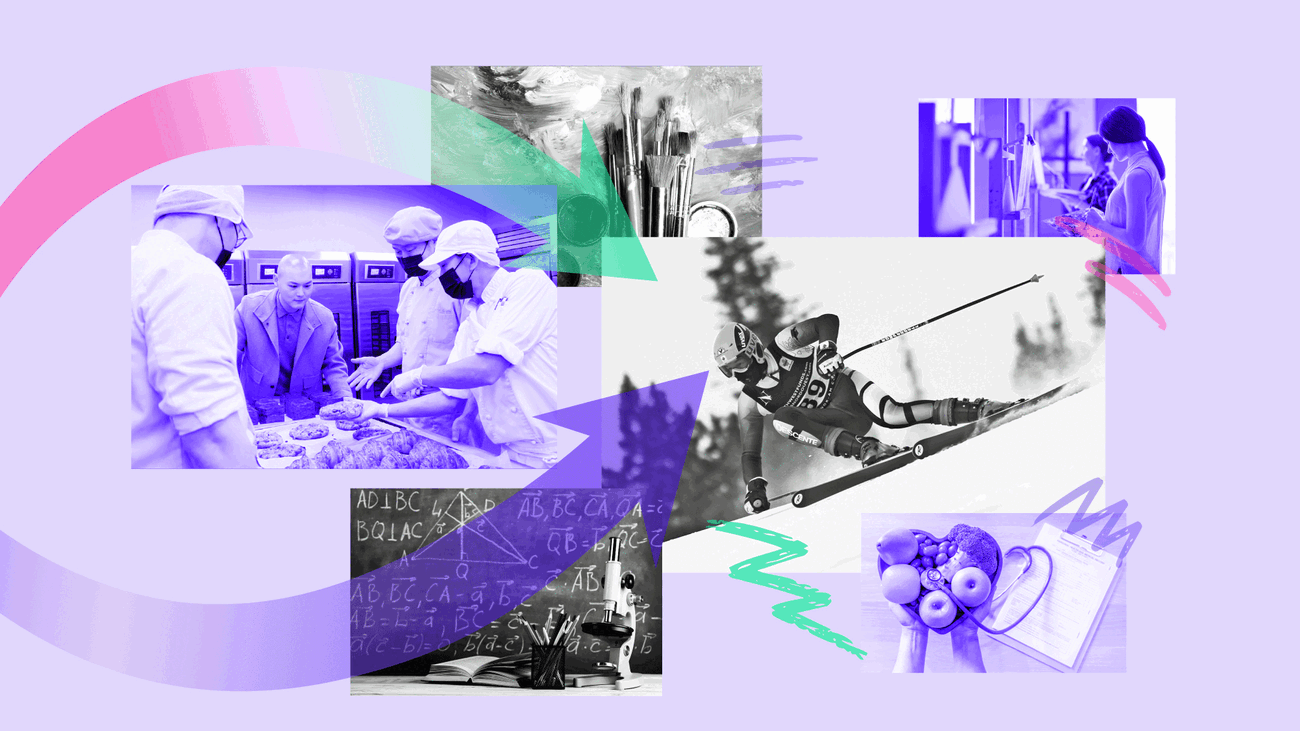
A collage of alumni stories about careers that came full circle.Source image and credit remain with UBC Magazine; reuse permission is unverified.
03 / 82026-09-08
Careers
The long way back to an earlier passion
Five alumni describe career paths that curved, paused and eventually returned to something they had once set aside.
Original reporting by Vicky Tran, BA’04
The final instalment of UBC Magazine’s Readers Write career series asks alumni to look backward without treating the past as a plan. Their stories include sport, design, food, science and other interests that reappeared after apparently unrelated work.
One contributor moved from competitive skiing through film production, sales and business development before finding a way back to sport. The value of the account is not a universal formula for career change; it is permission to notice which skills travelled with the detour.
A career can be nonlinear without being incoherent. Hindsight supplies the connective tissue, but the next move still has to be chosen in the present.
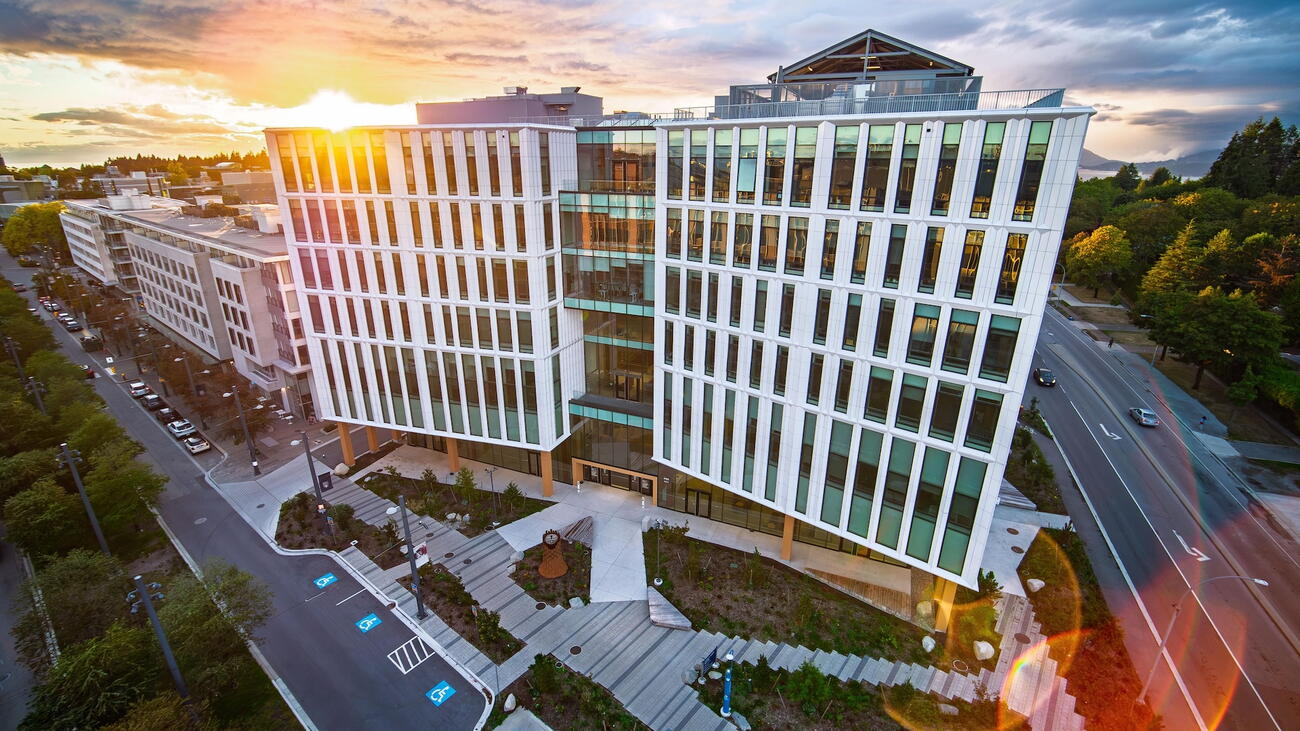
Aerial view of the buildings associated with UBC’s nursing gift announcement.Source image and credit remain with UBC Magazine; reuse permission is unverified.
04 / 82026-09-08
Community
A gift designed for the next generation of care
Matthew and Natalie MacIsaac’s $40-million gift will name UBC’s School of Nursing and its future health building while supporting education, research and practice.
Original reporting by Lou Corpuz-Bosshart
UBC says the gift is the largest ever made to a Canadian school of nursing. In recognition, the school and its future home will carry the MacIsaac name when the change launches in early fall.
The stated use is broad but concrete: strengthen nursing education, research and clinical learning, and prepare health-care leaders for changing needs in British Columbia and beyond. The donors’ own alumni relationship is part of the story’s logic of return.
The announcement is a commitment, not evidence that future outcomes have already been achieved. Its significance will be measured later in facilities, learning and care.
alumni UBC describes a community of more than 435,000 members in 145+ countries.
This is a membership footprint, not a count of readers, event attendees or active contributors.
Source: alumni UBC homepage Published homepage statement observed on 2026-09-19; the denominator and time series are not provided.
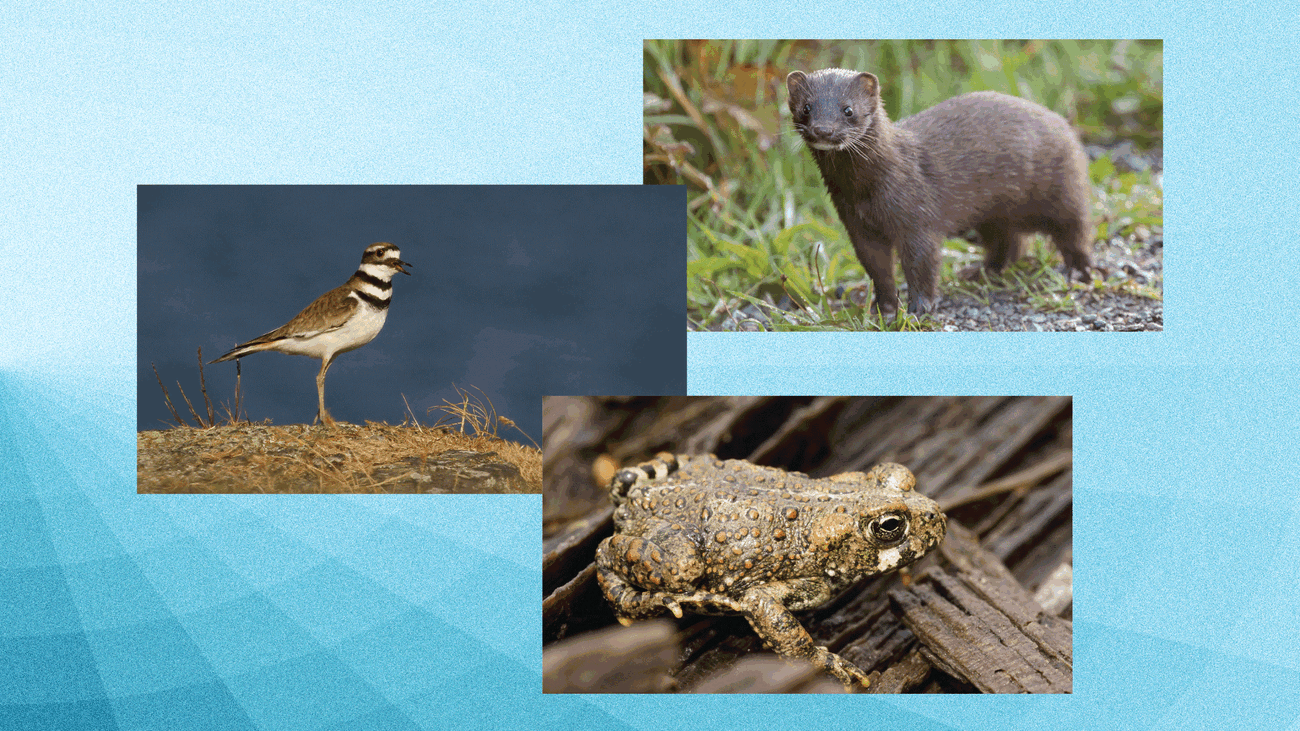
The UBC Magazine biodiversity quiz uses a rotating field of native BC species.Source image and credit remain with UBC Magazine; reuse permission is unverified.
05 / 82026-09-04
Environment
Biodiversity is a memory test with consequences
A UBC Magazine quiz turns British Columbia’s native vertebrates into an invitation to look more closely at what is at risk.
Original reporting by Alex Walls
The quiz moves through mammals, birds, reptiles, amphibians and fish, asking readers to identify species from photographs and clues. It is light in form, but the context is serious: the province’s biodiversity is under pressure as the climate changes.
The piece also marks the first anniversary of the Beaty Biodiversity Centre expansion, a $45-million project that brings researchers, students and community partners together around biodiversity questions.
A quiz cannot measure ecological knowledge or protection. It can make the names of local species harder to forget, which is a small but useful beginning.
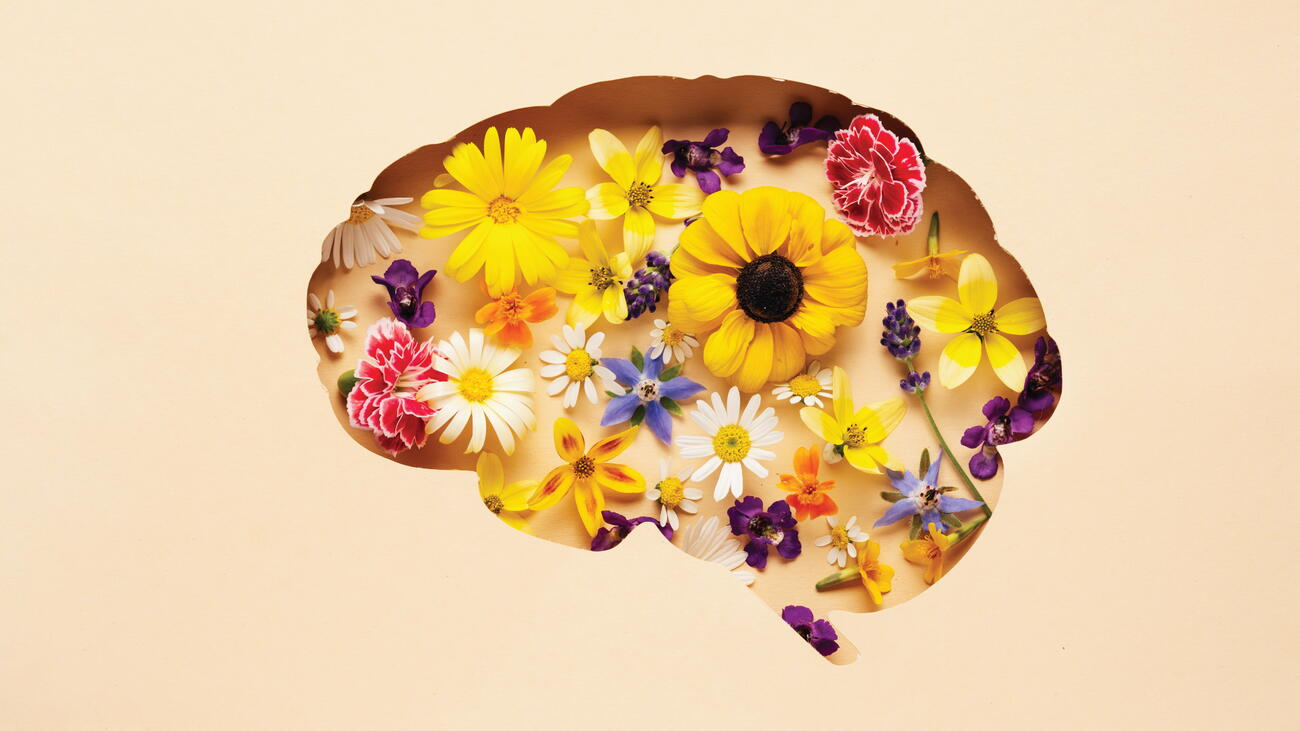
An editorial image for UBC Magazine’s brain-health explainer.Source image and credit remain with UBC Magazine; reuse permission is unverified.
06 / 82026-09-10
Health
Brain health is also a social question
A UBC alumni webinar brings neurology, nursing, dentistry, nutrition and psychology into one practical conversation about ageing well.
Original reporting by Kerry Blackadar, BA’07, MJ’10
The article reports five takeaways from an alumni UBC MEDTalks session on lifelong brain health. The experts frame dementia risk as influenced by more than genetics, with midlife behaviour and the surrounding environment both relevant.
Social connection is one of the themes. The piece also points to modifiable factors and the idea that beneficial changes are not limited to one age bracket. These are educational points from a public discussion, not a personal diagnosis or treatment plan.
For an alumni audience, the connection is direct: staying mentally well is not only an individual project. It can involve relationships, habits, care and the communities that make those habits possible.
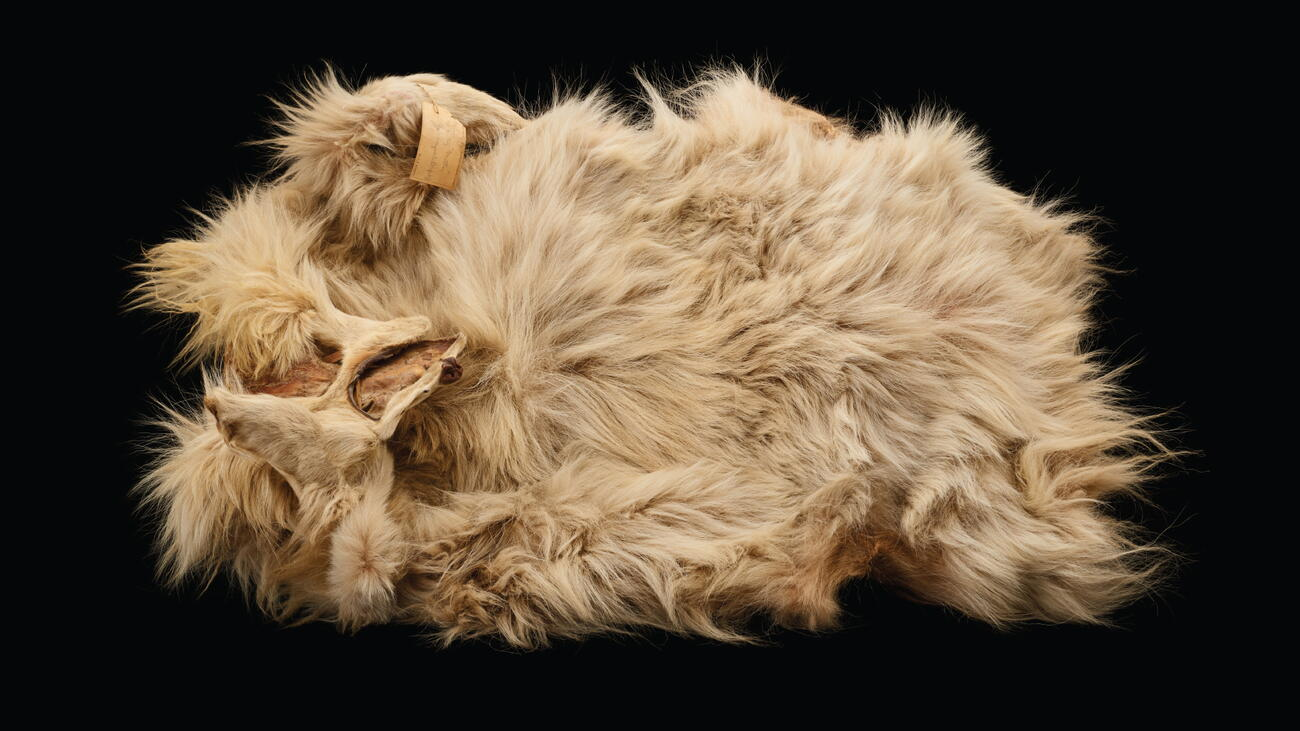
The sole known woolly dog pelt, returning to the region of its origin.Photo by Brittany M. Hance, courtesy of the Smithsonian Institution; reuse permission is unverified.
07 / 82026-09-11
Humanities
A return measured in care, not distance
The only known woolly dog pelt is coming to UBC’s Museum of Anthropology, where Coast Salish communities and weavers will spend time with it before public display.
Original reporting by Sachintha Wickramasinghe, BA'11, MJ'14, and Odette Wilson
The pelt, held by the Smithsonian since 1859, is returning to the region connected to its history. Woolly dogs were bred by Salish and Makah peoples for hair used in weaving blankets, robes and clothing; the animals disappeared by the end of the nineteenth century.
The loan runs from September 2026 to August 2027. The source emphasizes that the object’s return is being shaped by community request and knowledge, including time for Elders, knowledge keepers and weavers before exhibition.
That sequence matters. A museum loan is not simply a transfer of an object. It can also be a chance to reconnect material, memory, territory and living practice.
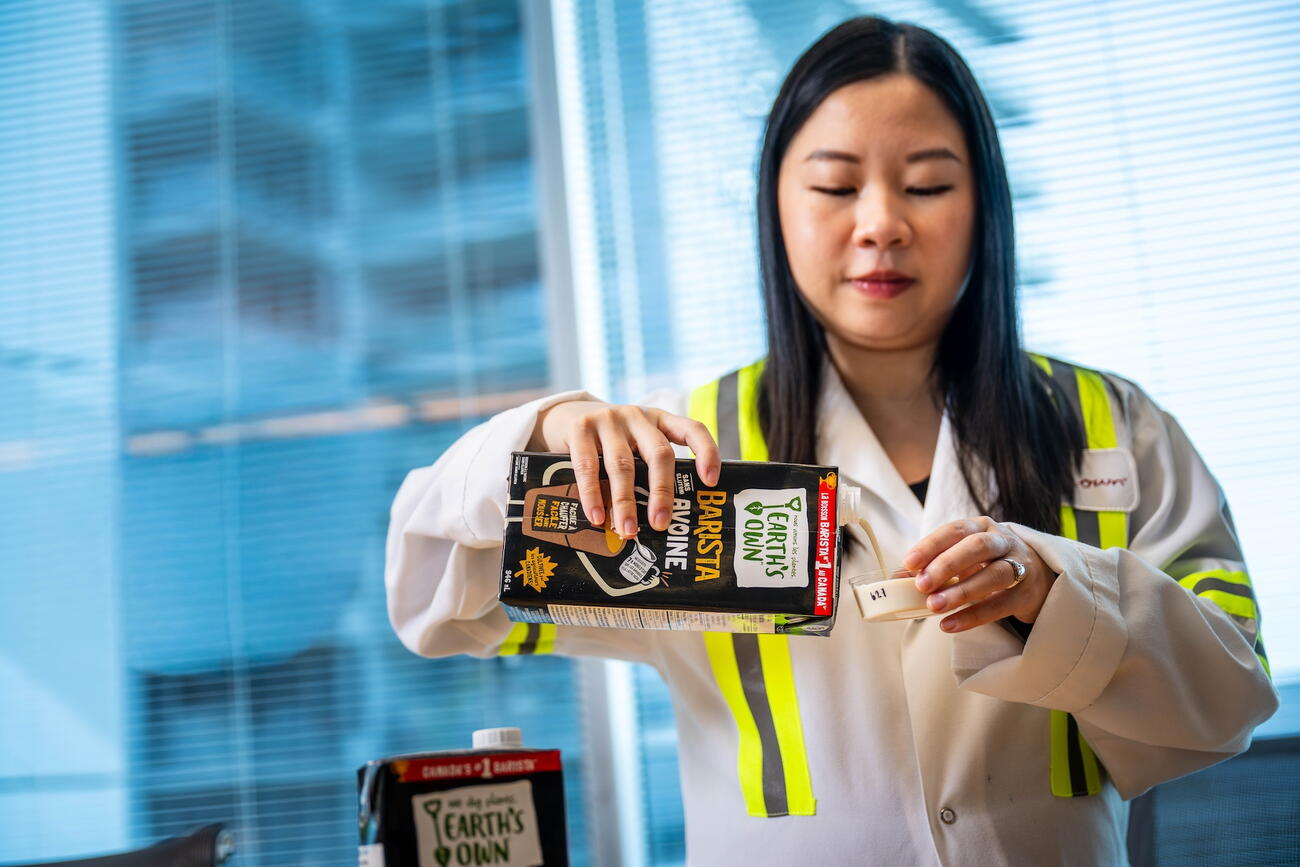
UBC food-science research meeting the everyday test of a latte.Photo by Paul Joseph / UBC Communications; reuse permission is unverified.
08 / 82026-09-03
Business
The science behind the foam
UBC alum Pamely Keung translates food-science training into the repeatable texture and taste behind a barista-style oat milk.
Original reporting by Jared Downing
For Pamely Keung, the test is whether steamed oat milk holds its foam over espresso without separating. As director of research and development at Earth’s Own, the double UBC alum works at the point where formulation, manufacturing and consumer experience meet.
The article describes years of trials to balance nutrition, taste, structure and reliable production. It also places that work in a wider university–industry relationship: research becomes useful when it can survive contact with a real process and a real customer.
The latte is the visible endpoint. Behind it are experiments, constraints and a chain of decisions that most drinkers never see.