Alumni Digest / U of T / Ideas /
Finding the cells that hold memories
Sheena Josselyn's research follows the physical traces of memory, with questions about trauma, dementia and the consequences of changing recollection.
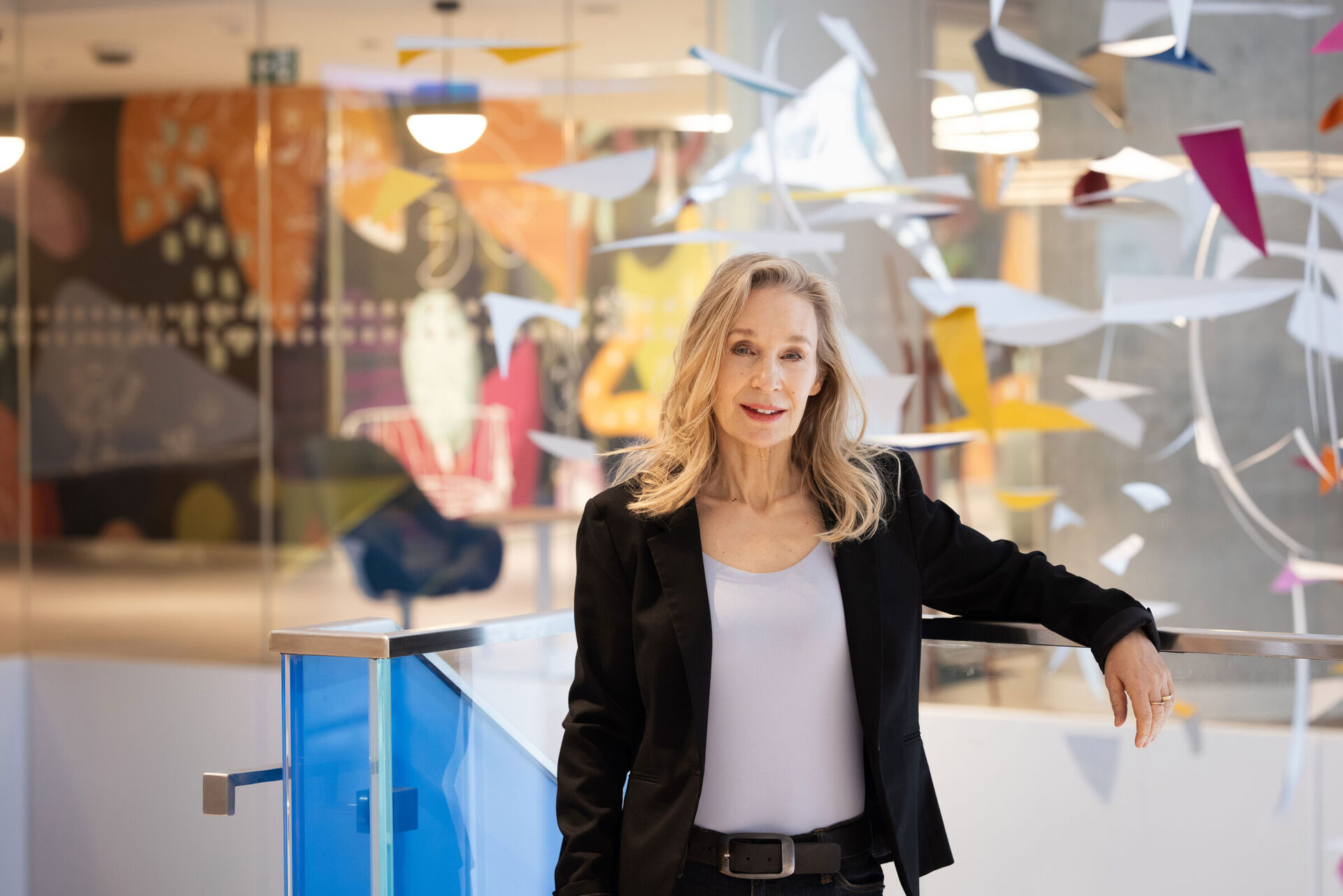
Sheena Josselyn studies how memories are formed, stored and recalled.Photo: Polina Teif
The context
Where the work begins
In 2009, Sheena Josselyn and collaborators reported that they had located and erased a specific fear memory by destroying the cells that stored it. The work helped establish how clusters of neurons, called engrams, carry memories. At SickKids and U of T, Josselyn has continued investigating how those clusters form and function.
The takeaway
What follows
Her lab's later work examined why traumatic memories can spread beyond their original setting. A 2025 paper linked stress to unusually large engrams and traced a mechanism involving cortisol. Josselyn hopes this research can inform future treatment, while recognizing the distance to clinical use and the ethical questions raised by altering painful memories.
Source reporting
Finding the cells that hold memories
Original summary by Alumni Digest, based on public source reporting. This independent publication is not affiliated with or endorsed by the University of Toronto. Source image retained for editorial review; rights clearance is still required before any broader reuse.