Alumni Digest / uOttawa / Ideas /
Processing AI with light
Mahdi Chegini explores microwave photonics as an alternative hardware path.
The context
What the reporting shows
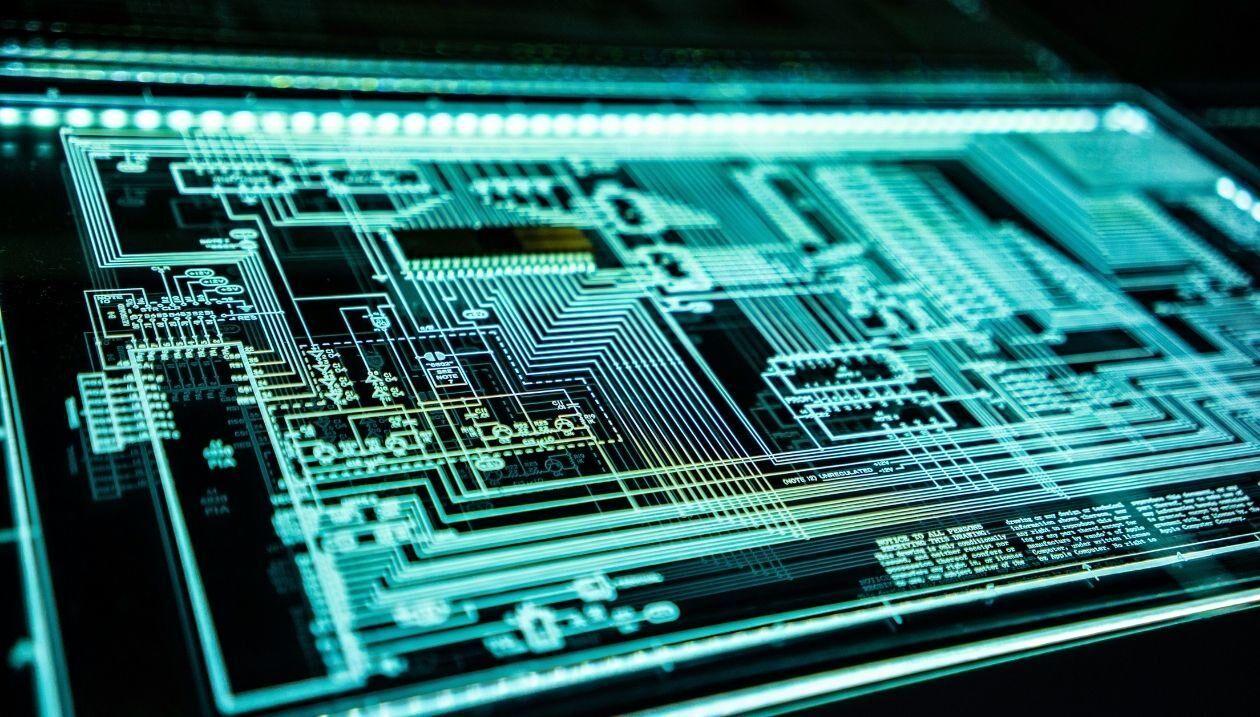
As AI models demand more processing power, Chegini’s doctoral work investigates hardware that uses light in computation. The aim is to improve speed and energy efficiency. This is a research profile about an engineering approach; it does not demonstrate measured savings across commercial data centres.
The stakeholder lens
Who this work touches
Read this source-linked brief through five lenses: the university as source institution; the people and practitioners named in the reporting; the campus or civic setting around the work; the alumni reader who may carry the question forward; and any partner, which is left unassigned unless the source names one. No sponsor or outreach relationship is inferred here.
The takeaway
A question to carry forward
For alumni readers, the useful next step is to follow the original reporting for names, dates and outcomes. This digest adds an editorial frame while keeping the source page as the authority.
Source reporting
Microwave photonics: Lighting the way to more energy-efficient hardware for artificial intelligence
Original summary by Alumni Digest, based on public source reporting. This independent publication is not affiliated with or endorsed by the University of Ottawa. Source image retained for editorial review; rights clearance is still required before broader reuse.