Alumni Digest / uOttawa / Ideas /
Nanopore researchers find common ground
Poriscope addresses the fragmented workflows behind molecular discovery.
Photo: University of Ottawa
The context
What the reporting shows
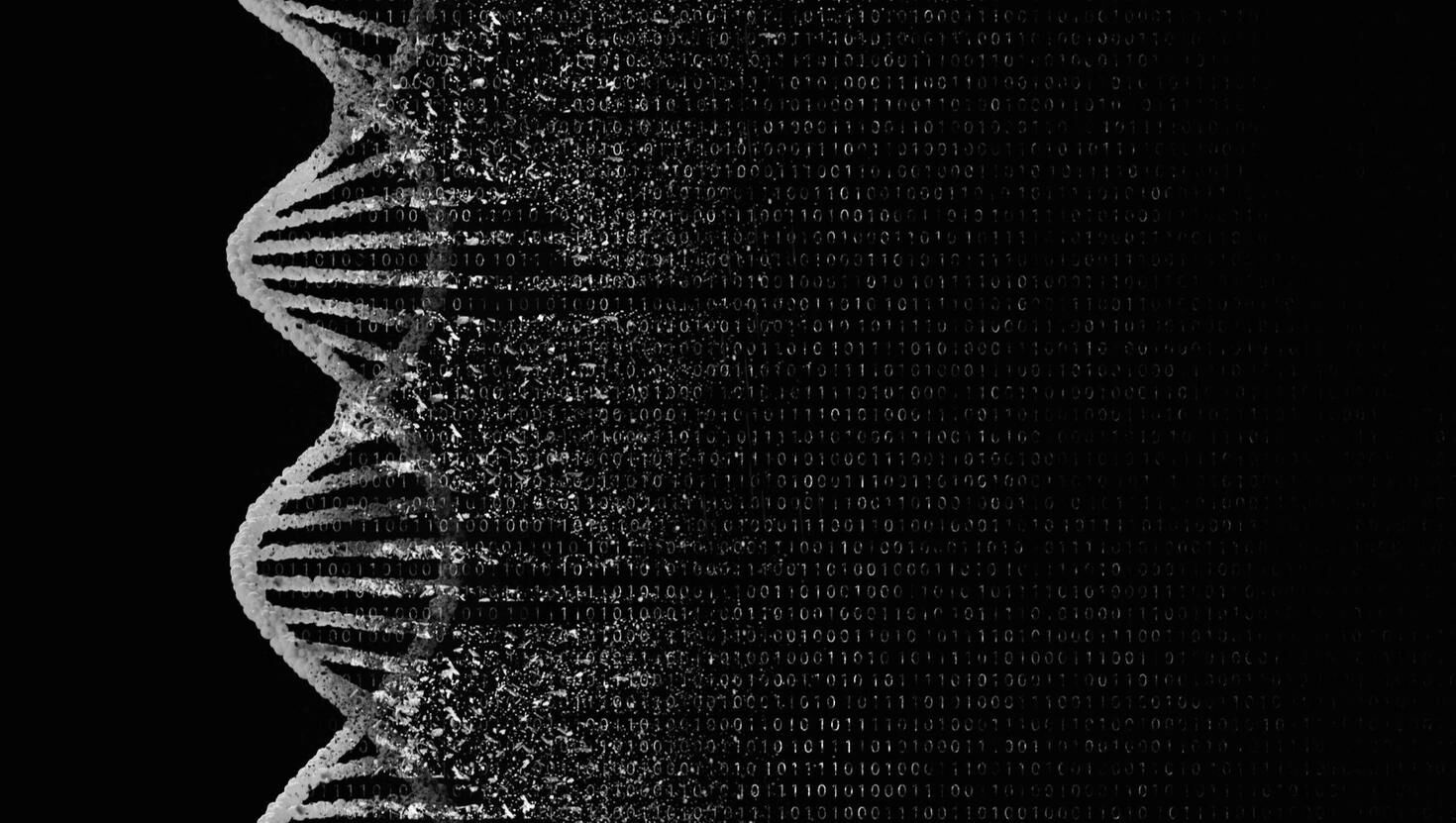
Nanopores detect molecules by measuring changes in electrical current as they pass through tiny openings. That technique has potential uses in identifying disease biomarkers. The university’s report introduces Poriscope as a way to help researchers collaborate around this complex work, making the research process itself the story.
The stakeholder lens
Who this work touches
Read this source-linked brief through five lenses: the university as source institution; the people and practitioners named in the reporting; the campus or civic setting around the work; the alumni reader who may carry the question forward; and any partner, which is left unassigned unless the source names one. No sponsor or outreach relationship is inferred here.
The takeaway
A question to carry forward
For alumni readers, the useful next step is to follow the original reporting for names, dates and outcomes. This digest adds an editorial frame while keeping the source page as the authority.
Source reporting
The power of Poriscope: Streamlining collaboration in nanopore research
Original summary by Alumni Digest, based on public source reporting. This independent publication is not affiliated with or endorsed by the University of Ottawa. Source image retained for editorial review; rights clearance is still required before broader reuse.