Waterloo and Guelph researchers target greenhouse disease and drone-seeded wheat in Ontario
Christian Euler, Nasser Mohieddin Abukhdeir and Tizazu Mekonnen work with provincial and industry partners on early detection and a starch hydrogel seed coating.
Waterloo chemical engineers are working with the University of Guelph, the Ontario Ministry of Agriculture, Food and Agribusiness (OMAFA) and industry on two farm problems. The first involves Ontario’s 5,200-acre greenhouse sector, worth $1.8 billion a year, where disease and pests can spread fast and manual monitoring is slow.
That project builds a system that watches greenhouse crops for early signs of disease and stress before they are visible, combining computer vision, metabolic modelling and machine learning. Professor Nasser Mohieddin Abukhdeir leads for Waterloo, and Professor Christian Euler’s metabolic models reveal plant changes before symptoms appear, at least three days earlier, he says. Canada and Ontario fund it through the Sustainable Canadian Agricultural Partnership.
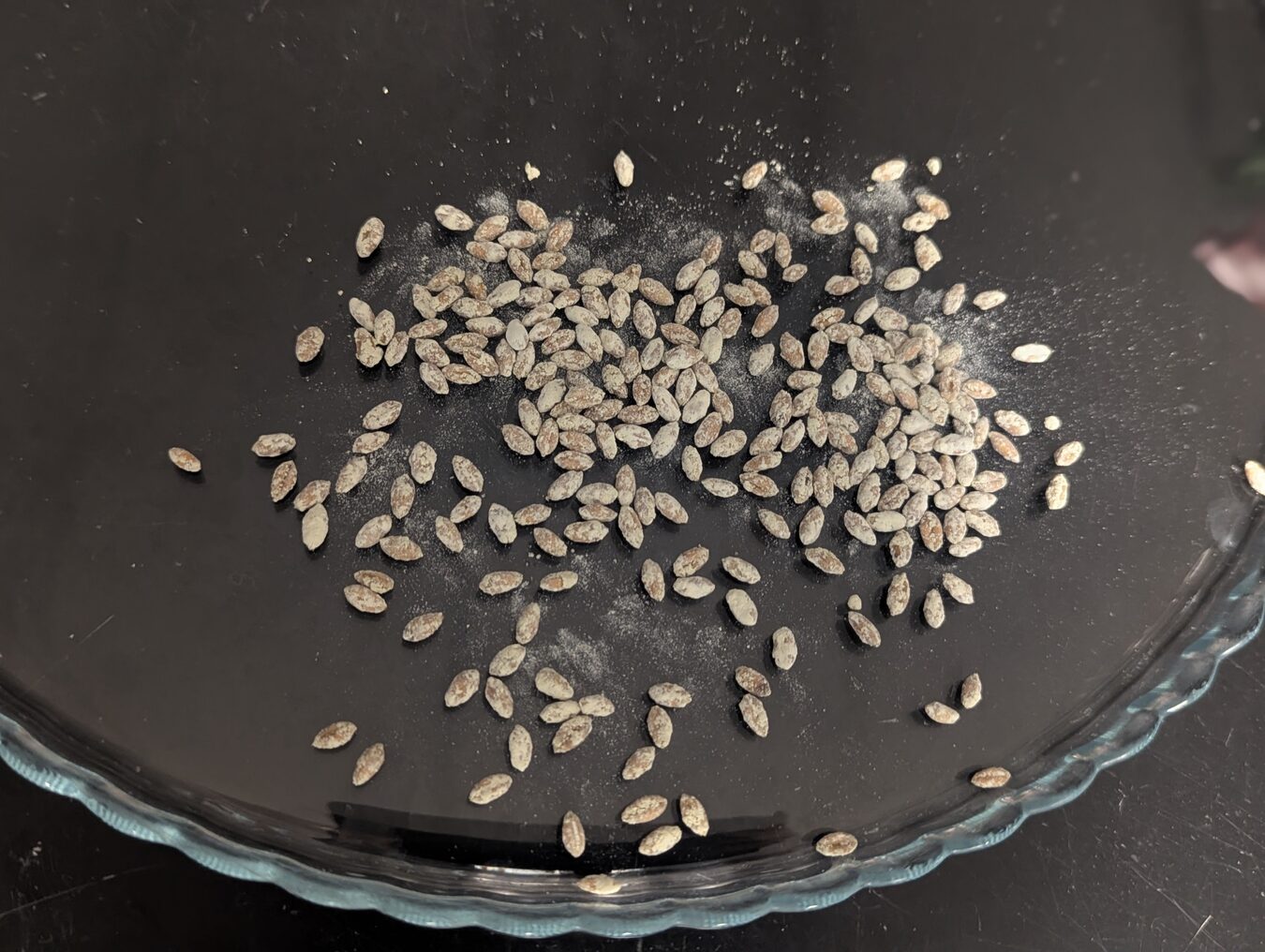
The second project, with Corteva Agrisciences, asks whether drones can scatter winter wheat seed into standing soybeans in eastern Ontario, where the planting window is short. Guelph professor Joshua Nasielski says surface seed dried out, and fewer than half of 1.6 million seeds per acre survived. Professor Tizazu Mekonnen designed a biodegradable, super-absorbent hydrogel from potato starch to hold moisture around each seed until rain arrives, and unlike synthetic coatings it fully degrades.
Sources 1
Chapter 02 · Science & TechnologyRead it in the issue →