Reiko Omoto tests global sustainability rules against village reality
The Waterloo PhD graduate teaches at Tottori University and studies fisheries, farming and rural communities in Japan, Southeast Asia and the United States.
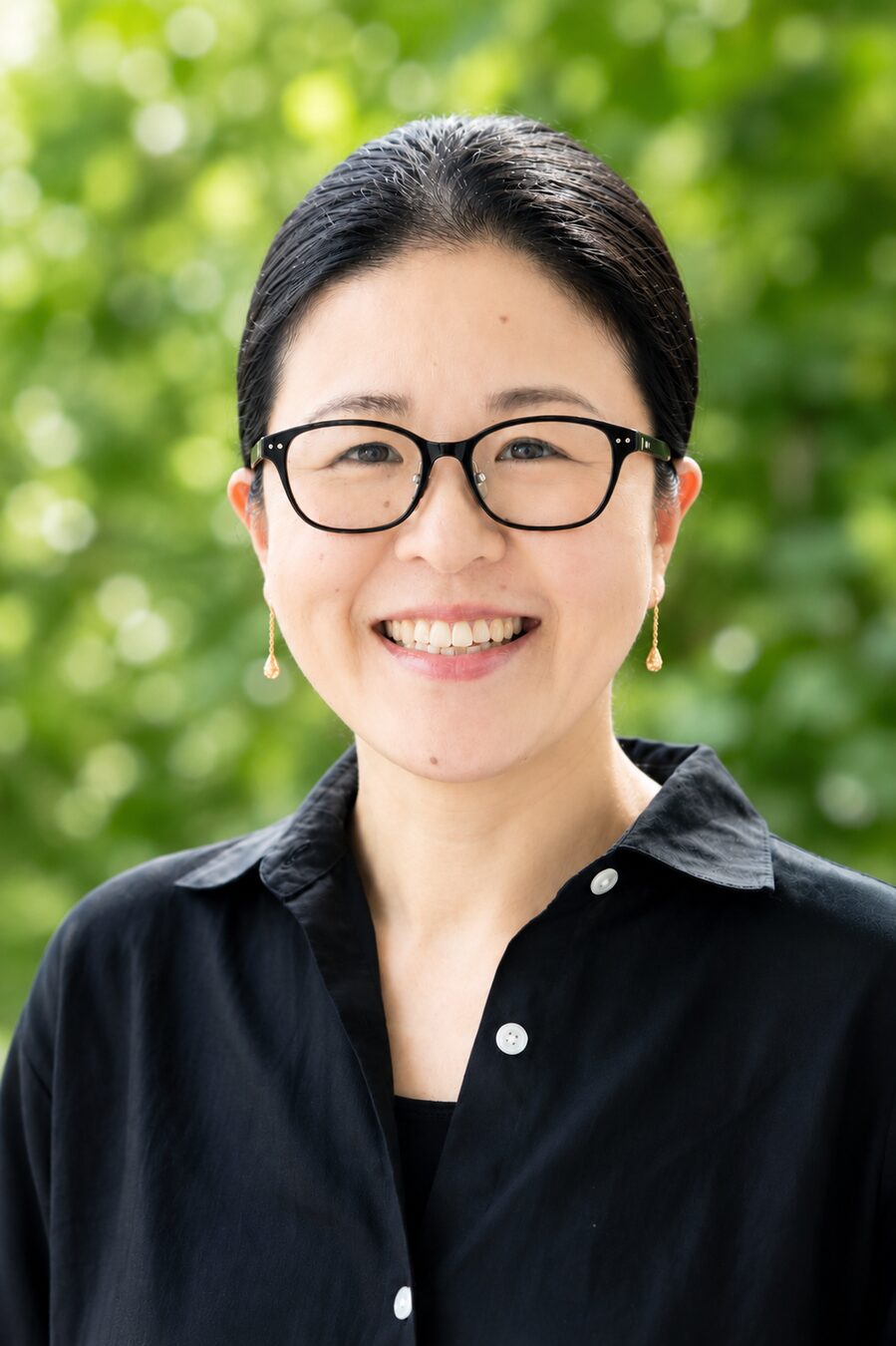
Reiko Omoto (PhD ’13) holds a professorship in regional sciences at Tottori University and gardens in the mountain village of Chizu, Japan, where in winter she digs carrots for dinner out of frozen ground. Her Waterloo doctoral research followed small-scale shrimp farmers in Vietnam to see what global sustainability standards meant for them.
That work left her with a question she has kept asking: can global solutions succeed if they are not grounded in the realities of the people they are meant to serve? She went on to work with communities across Japan, Southeast Asia and the United States, and she later became the Marine Stewardship Council’s Fisheries Manager for Japan.
In Okinawa she documented seaweed farmers restoring corals with methods academics had first dismissed. In Chizu she worked with women entrepreneurs responding to population decline, and a 2025 paper she co-authored with them helped their efforts gain recognition with town council.
She is proudest of her book Local Certification: Regionally Created Food Distribution Systems. It did not sell among academics, but farmers, fishers and food producers read it, and some built certification systems of their own. Omoto is a 2026 Distinguished Alumni Award recipient from the Faculty of Environment.
Sources 1
Chapter 03 · Climate & EnvironmentRead it in the issue →