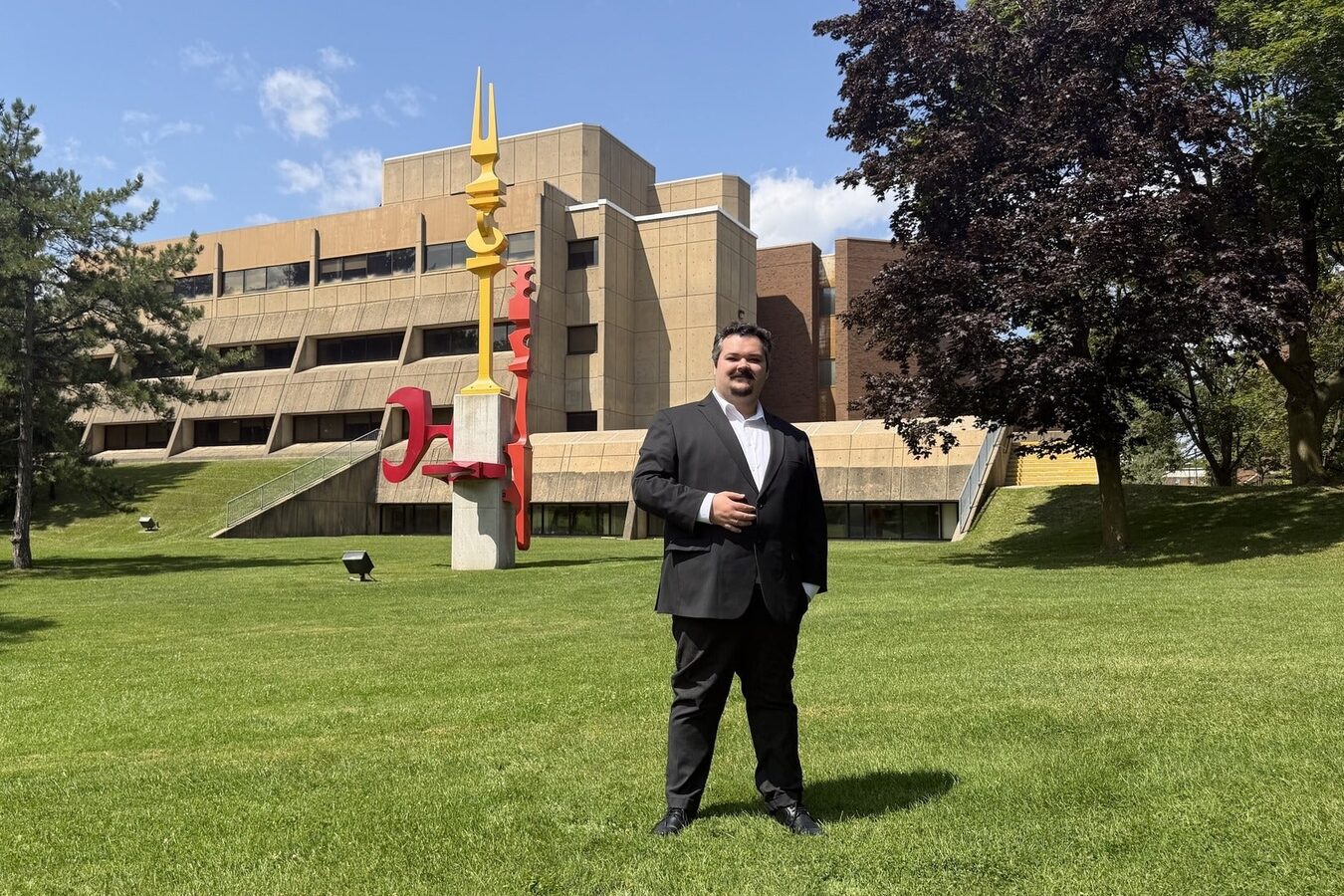
Henry Abanum is building a food coating that releases an antimicrobial only when bacteria appear
The Master of Science in Pharmacy student works with liposomes that respond to bacterial toxins, aiming to cut foodborne illness and spoilage.
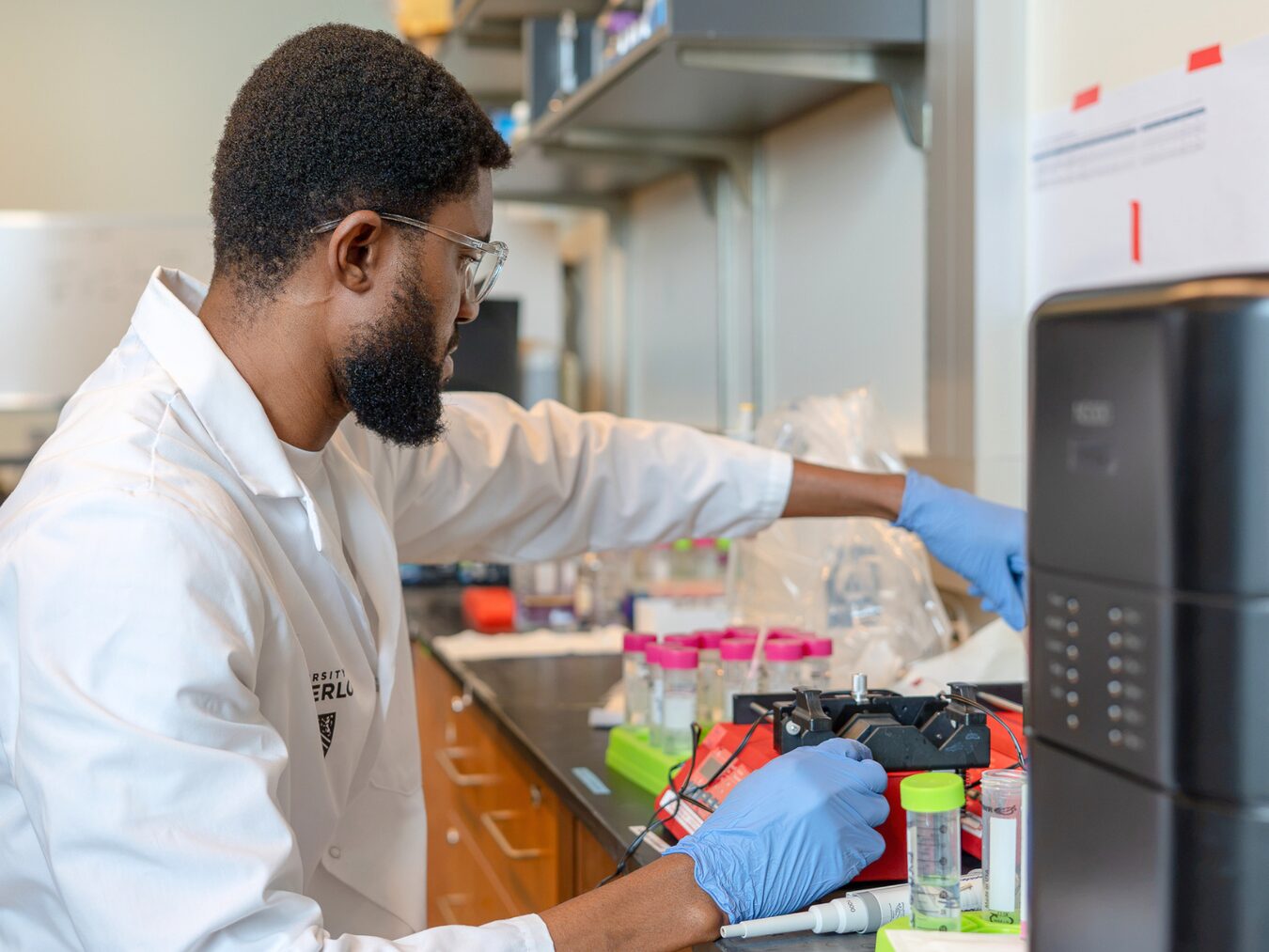
Henry Abanum, a Master of Science in Pharmacy student at Waterloo, is developing a bacteria-responsive coating for food contact materials. It pairs toxin detection with on-demand release of an antimicrobial, a response to concern over Listeria outbreaks. The World Health Organization estimates that unsafe food causes 866 million illnesses and 1.5 million deaths a year.
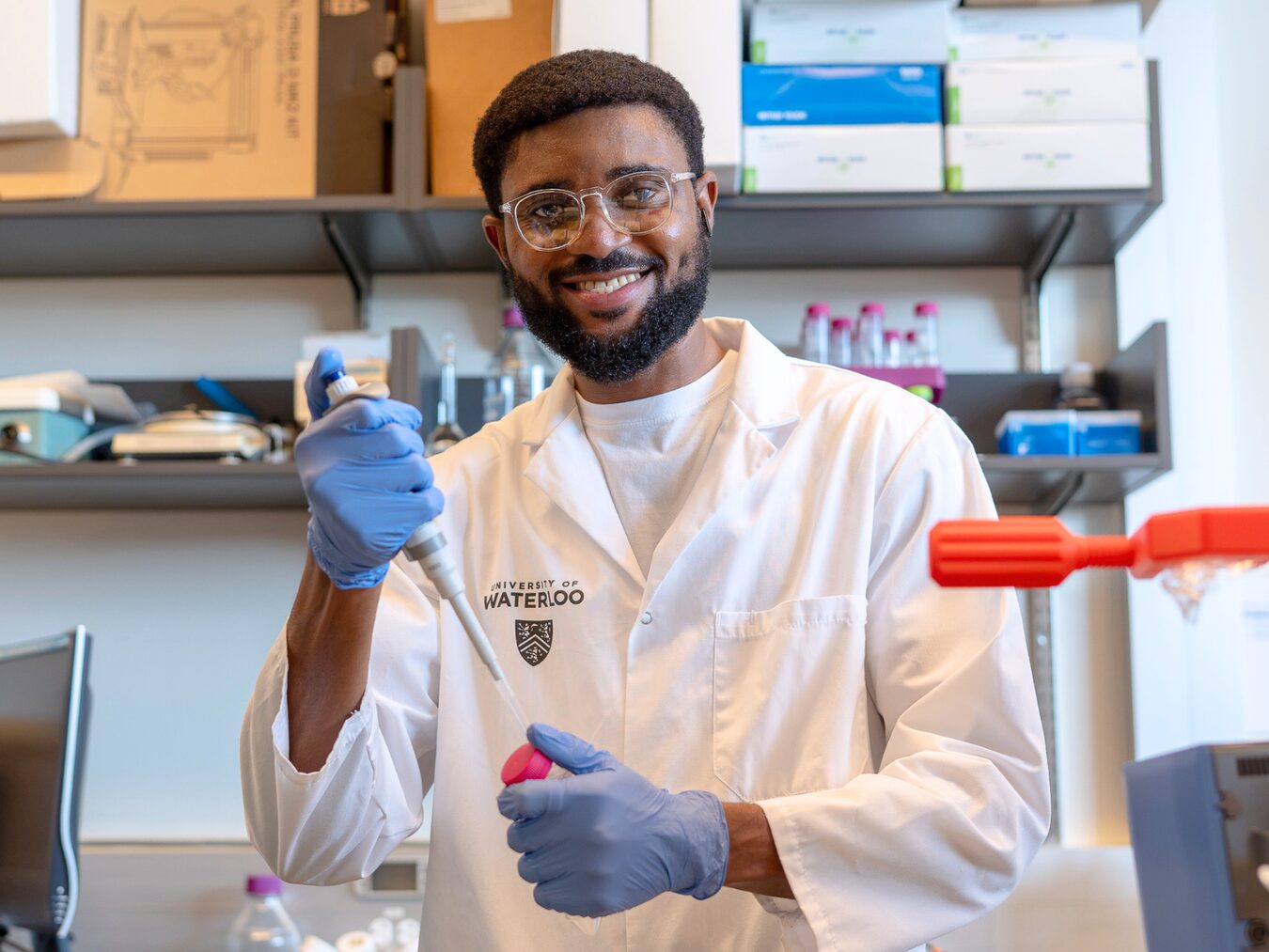
The coating relies on tiny biocompatible carriers called liposomes, which respond to bacterial toxins and release a naturally derived antimicrobial only when it is needed. Abanum describes the work as a blend of drug delivery and food safety that could improve quality, extend shelf life and reduce spoilage, which would also ease food waste and its greenhouse gas emissions.
His interest in applied research began during pharmacy training in Nigeria, where he became drawn to industrial pharmacy. After a PharmD and work as a clinical pharmacist, he applied to Waterloo’s School of Pharmacy, citing its multidisciplinary environment and industry collaborations.
Sources 1
Chapter 02 · Science & TechnologyRead it in the issue →