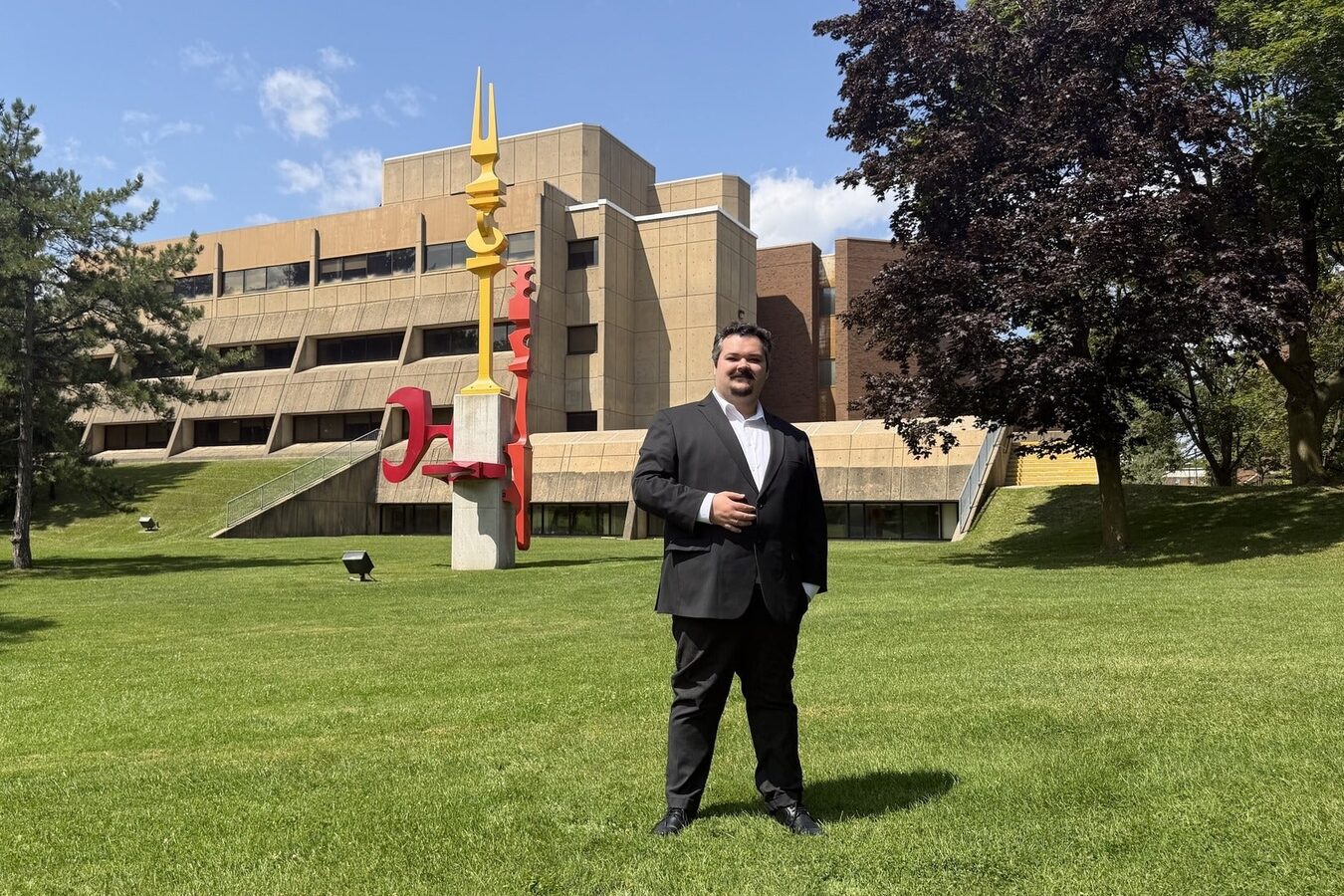
Three Waterloo students test whether green tea extract protects neurons from amyloid beta
Charlotte Baur, Hugh Hossfeld and Isabella Barichello work in Zoya Leonenko’s lab on EGCG and model cell membranes.
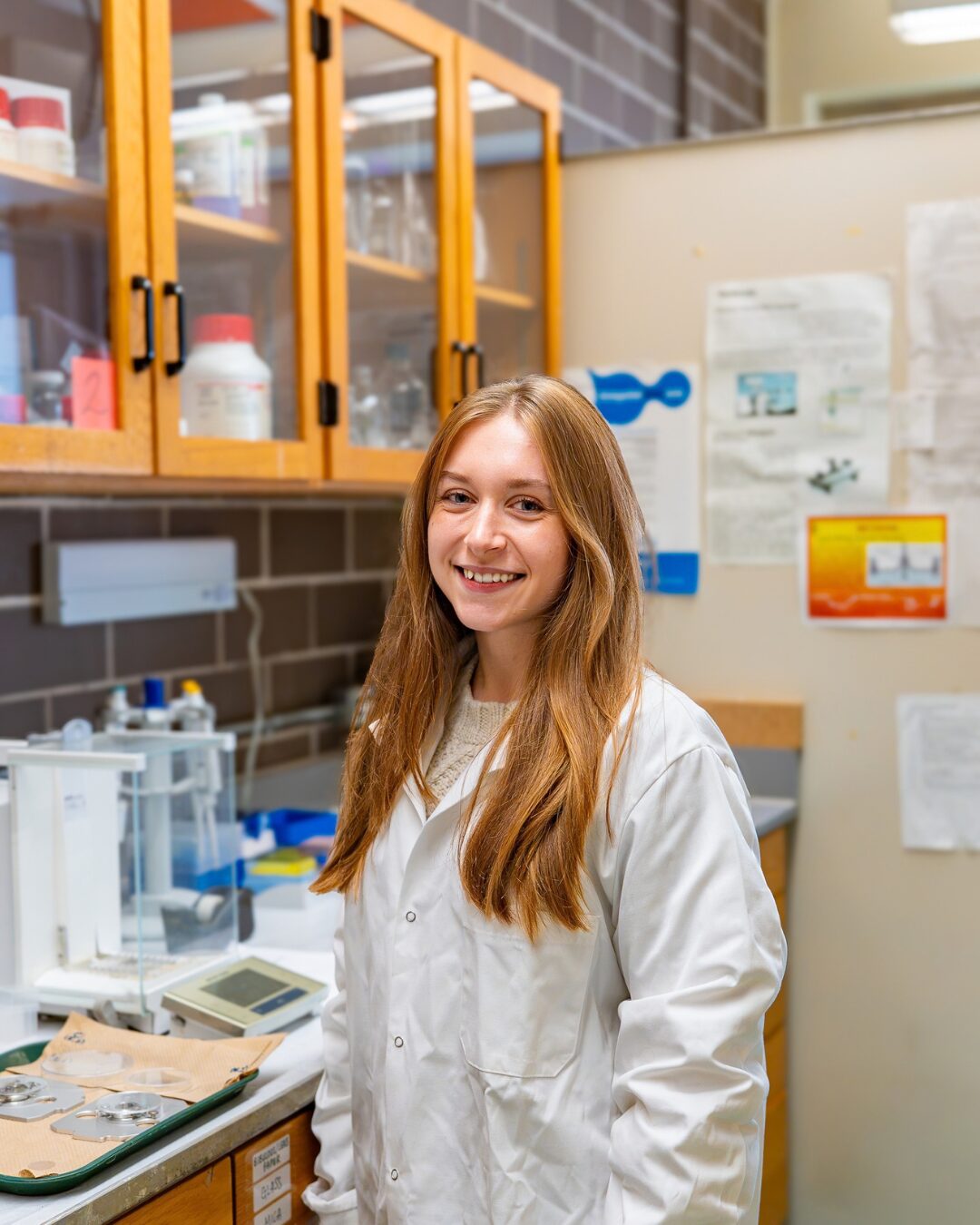
In Dr. Zoya Leonenko’s Physics and Astronomy lab, three students serve as research assistants: Charlotte Baur, in fourth-year Biological and Medical Physics; Hugh Hossfeld, in third-year Honours Science; and Isabella Barichello, in third-year Biomedical Engineering. They are testing epigallocatechin gallate (EGCG), an antioxidant found in green tea, as a possible shield against the cell damage linked to Alzheimer’s disease.
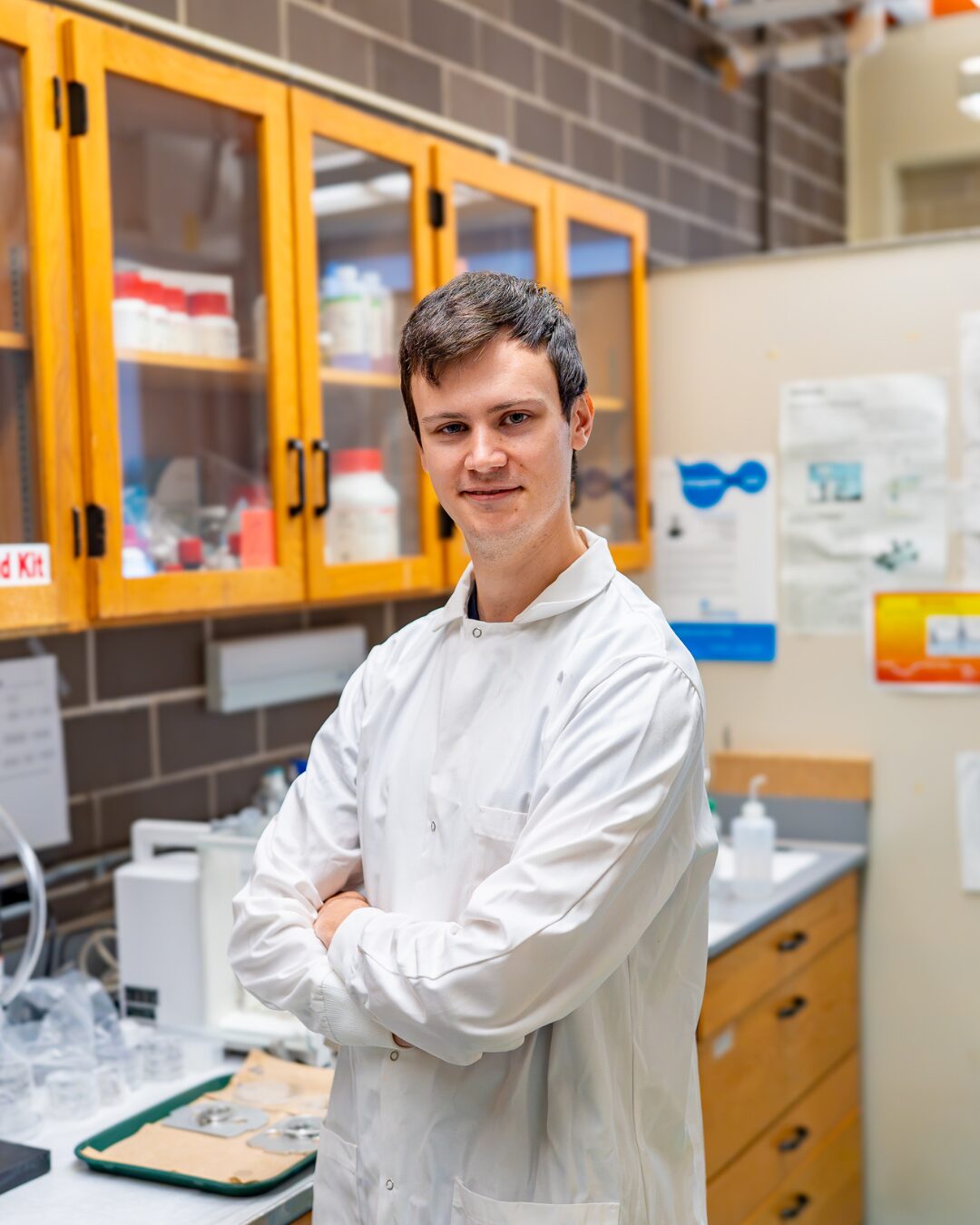
The lab works with model versions of neuronal membranes and watches how they respond to amyloid beta, the protein clusters that form plaques. Baur and Hossfeld use electrophysiology to see whether EGCG blocks the pore-like openings that amyloid beta oligomers create, which let ions pass. They have observed reduced membrane permeability, which suggests the extract could protect the membrane.
Barichello comes at the problem from the surface, using surface plasmon resonance to study how amyloid beta attaches to the membrane and whether EGCG reduces that. The work builds on earlier studies of compounds such as melatonin and trehalose. The results so far come from model membranes in the lab, not from patients.
Sources 1
Chapter 02 · Science & TechnologyRead it in the issue →