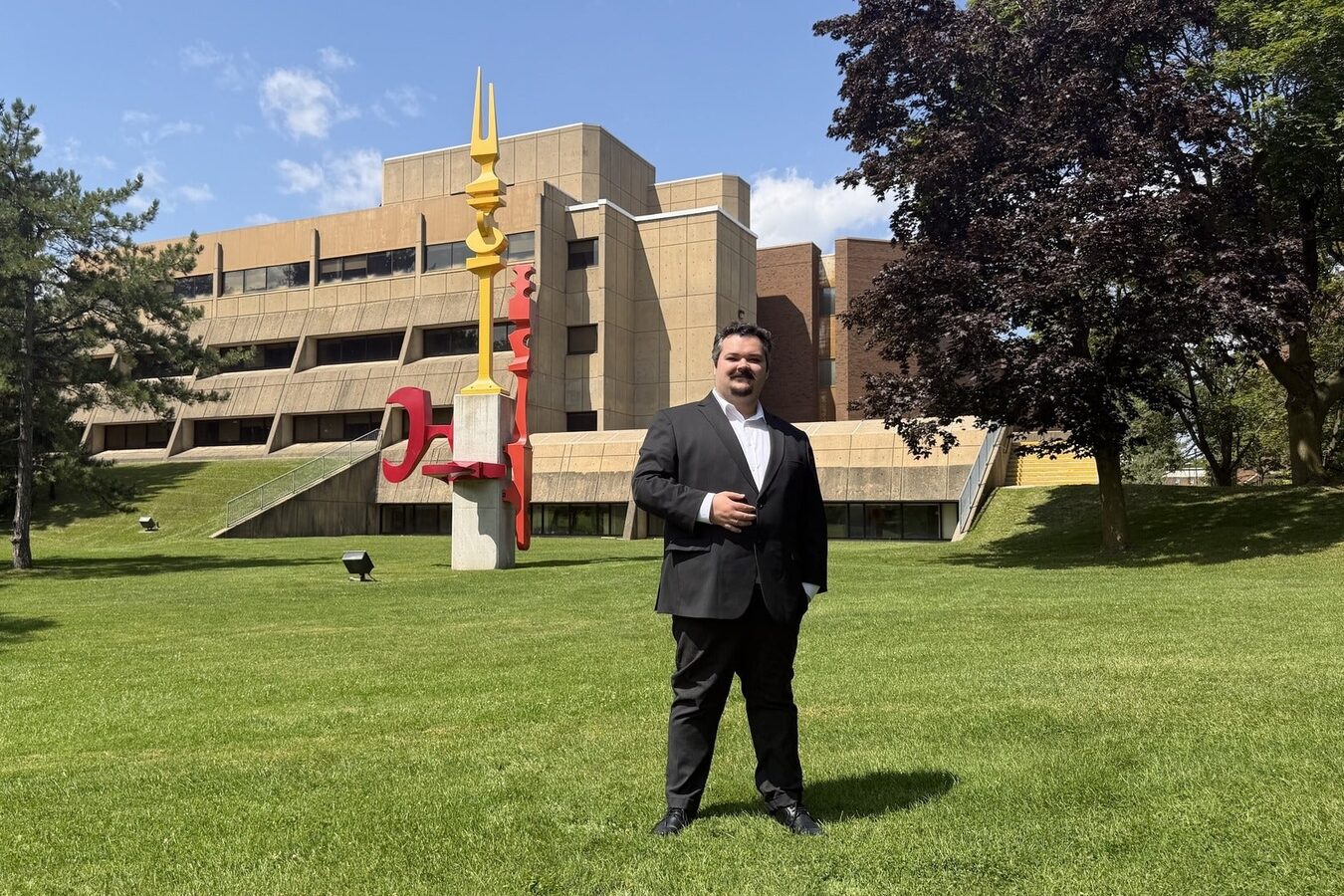
Waterloo Science labs put microbes to work on landfill methane, algal blooms and mine drainage
Laura Hug, Jozef Nissimov and Jenine McCutcheon lead three projects that use microorganisms against environmental problems.
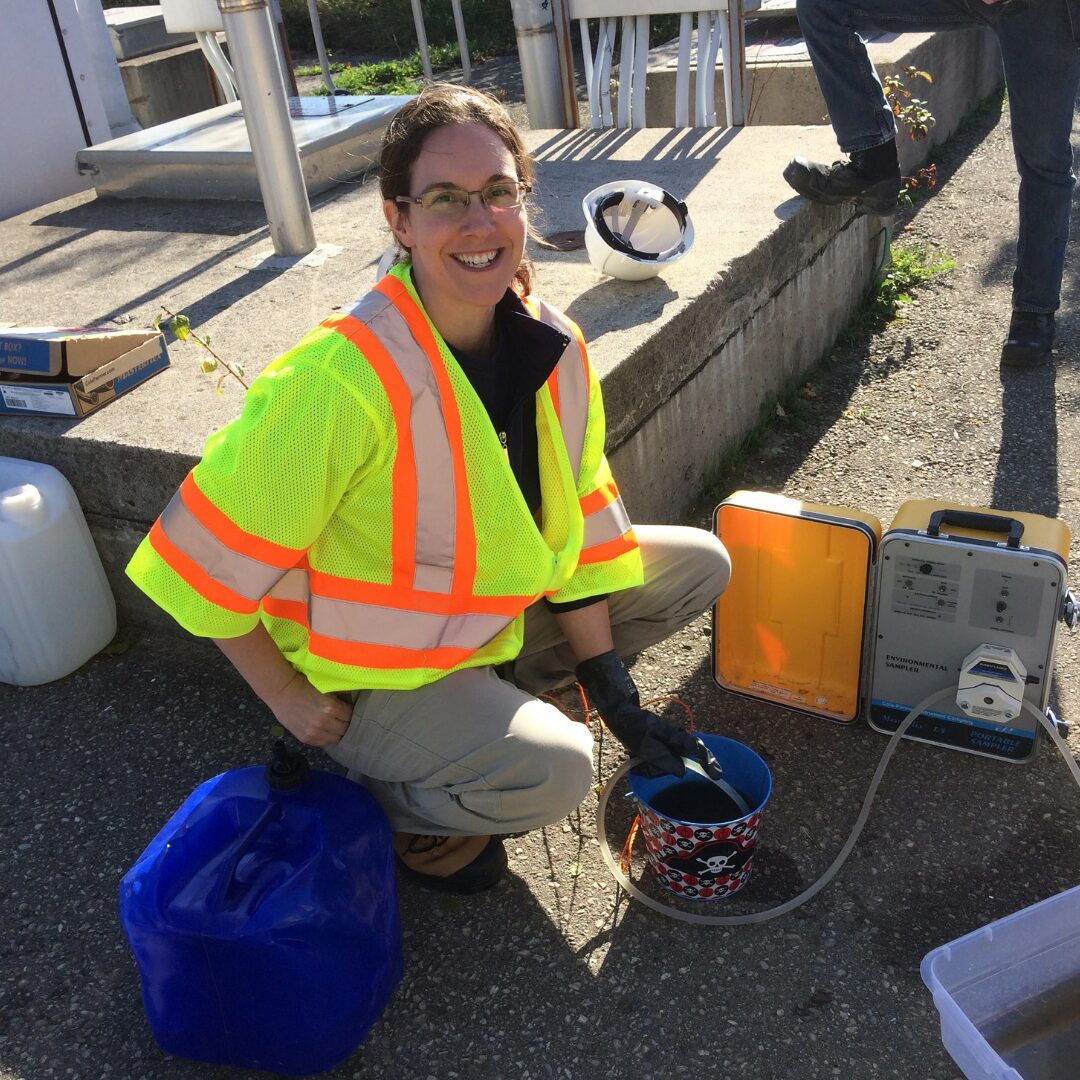
Researchers in Waterloo’s Faculty of Science are studying microbes as tools for environmental problems. In Biology, Dr. Laura Hug’s group targets legacy methane from older landfilled waste, working with microbial communities that can oxidize methane, degrade bioplastics and break down industrial solvents. Her lab has collected samples with the Region of Waterloo’s waste management division for a decade.
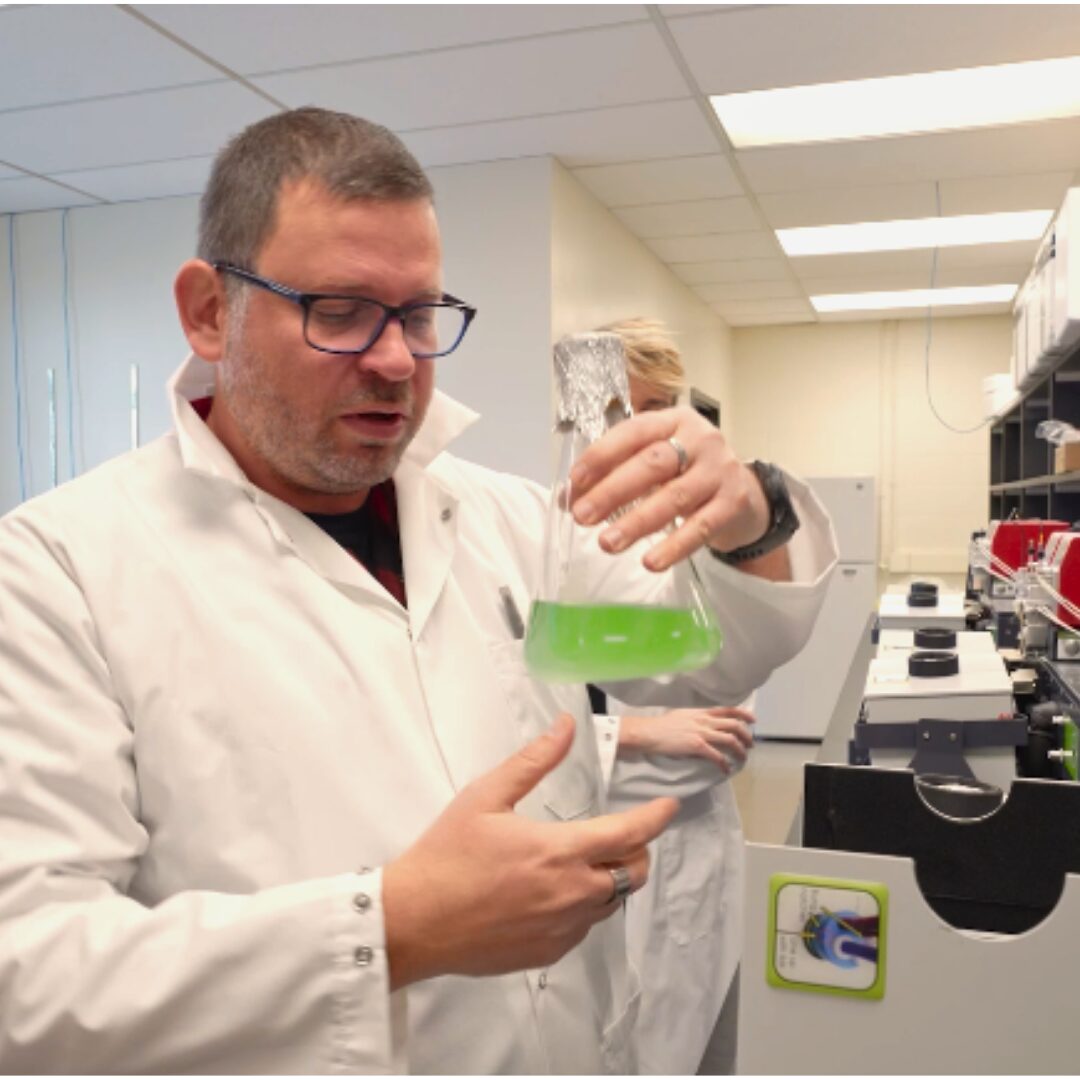
Dr. Jozef Nissimov leads the Environmental Virology and Ecology Research Group, which asks whether microbial communities help control harmful algal blooms or make them worse. His lab has shown that when a virus kills the bloom-forming cyanobacterium Microcystis aeruginosa, it can trigger a spike in the liver toxin microcystin, many times above safe drinking-water limits, even when the water looks clear again. Samples come from lakes including the IISD Experimental Lakes Area.
In Earth and Environmental Sciences, Dr. Jenine McCutcheon’s team visits active and historic mine sites to see how microbes can improve or worsen water quality. Canada has more than 10,000 abandoned mines, and many still leak acidic, metal-rich drainage into surrounding land and water.
Sources 1
Chapter 02 · Science & TechnologyRead it in the issue →