Maxime van der Heijden’s 3D-printed electrode borrows from nature to improve flow batteries
The Waterloo chemical engineering team redesigned a key part of redox flow batteries, a technology for storing wind and solar energy.
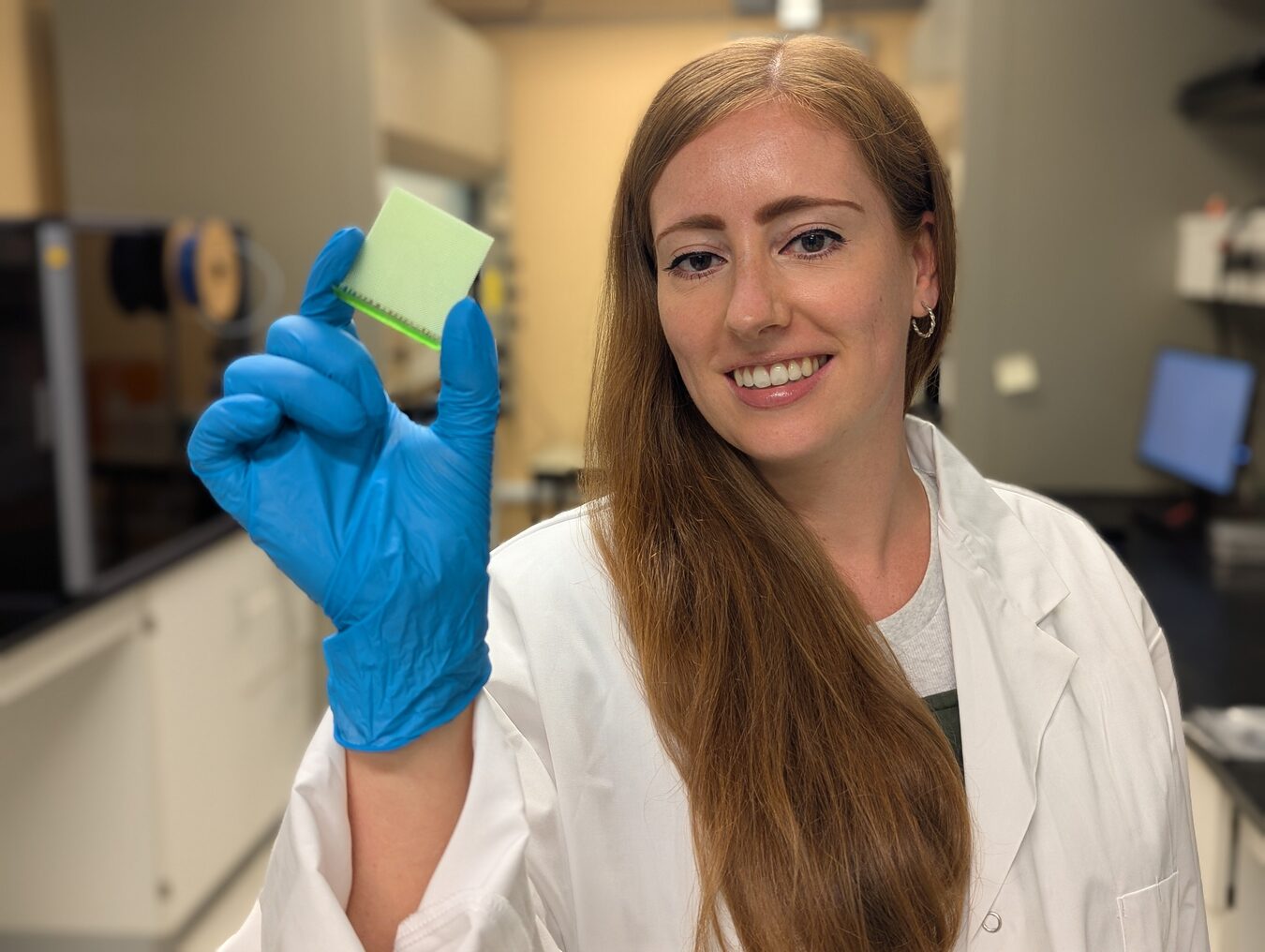
A team led by Waterloo chemical engineering professor Dr. Maxime van der Heijden has built a 3D-printed electrode that could make it easier and safer to store large amounts of wind and solar energy. The researchers drew on natural structures to redesign a key component of redox flow batteries, helping the liquid move more efficiently so the reactions that store and release energy work better.
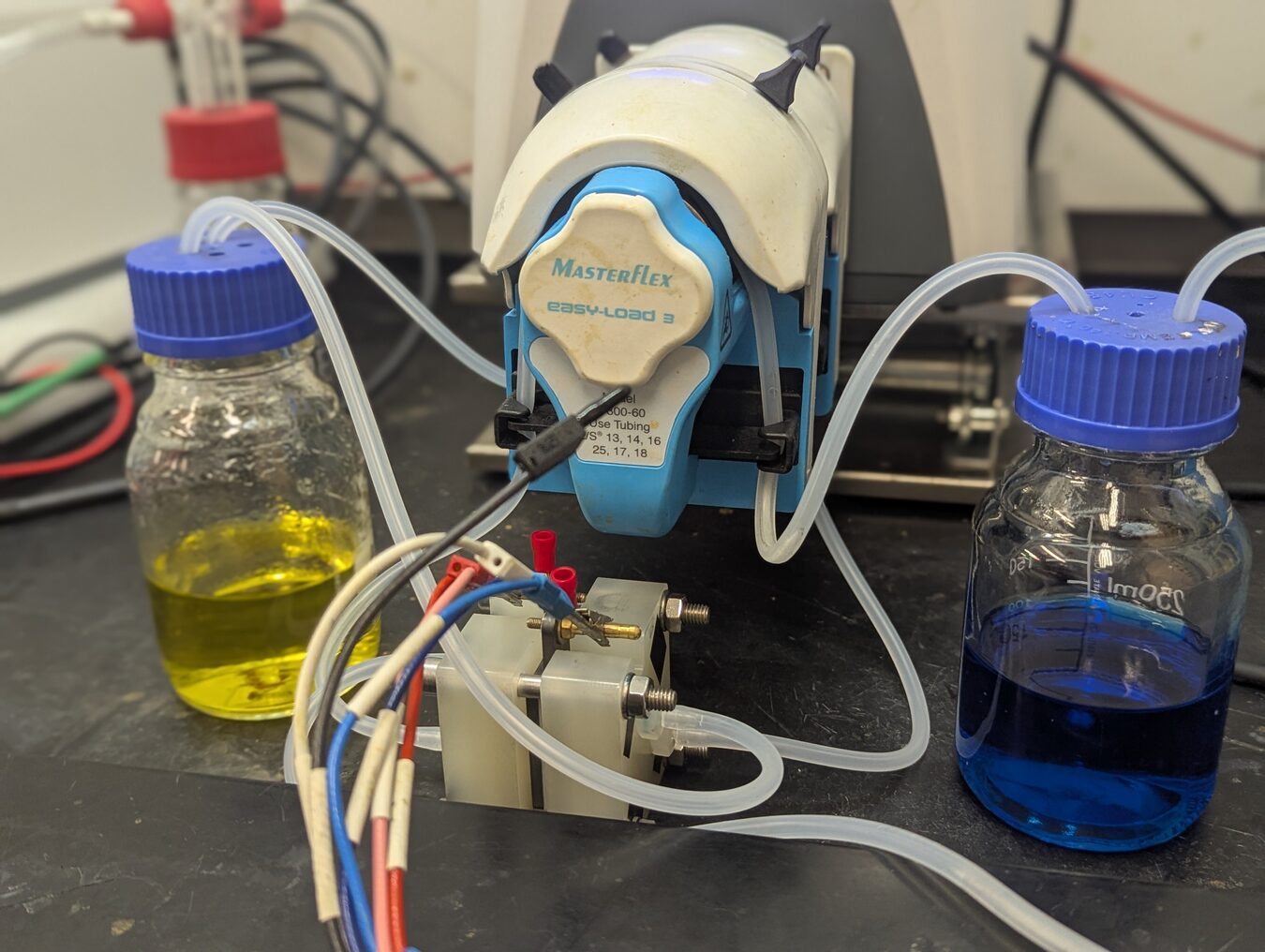
Redox flow batteries differ from lithium-ion batteries. They hold energy in water-based liquid electrolytes in external tanks, which avoids the flammable materials in lithium-ion cells, and capacity grows by using bigger tanks. Van der Heijden calls them well suited to large-scale renewable storage and grid use, and describes them as complementary to lithium-ion rather than a replacement.
Wind and solar power are intermittent, so storage that returns energy to the grid later matters. Printing the electrodes let the team control their porous structure and the flow of fluid through them with a precision that conventional methods struggle to match.
Sources 1
Chapter 02 · Science & TechnologyRead it in the issue →