Ian Shang’s paper on performance testing earns an ACM Distinguished Paper Award
The paper, a collaboration across Canada, Europe and China, argues that benchmarks should stop when a real slowdown can or cannot be detected.
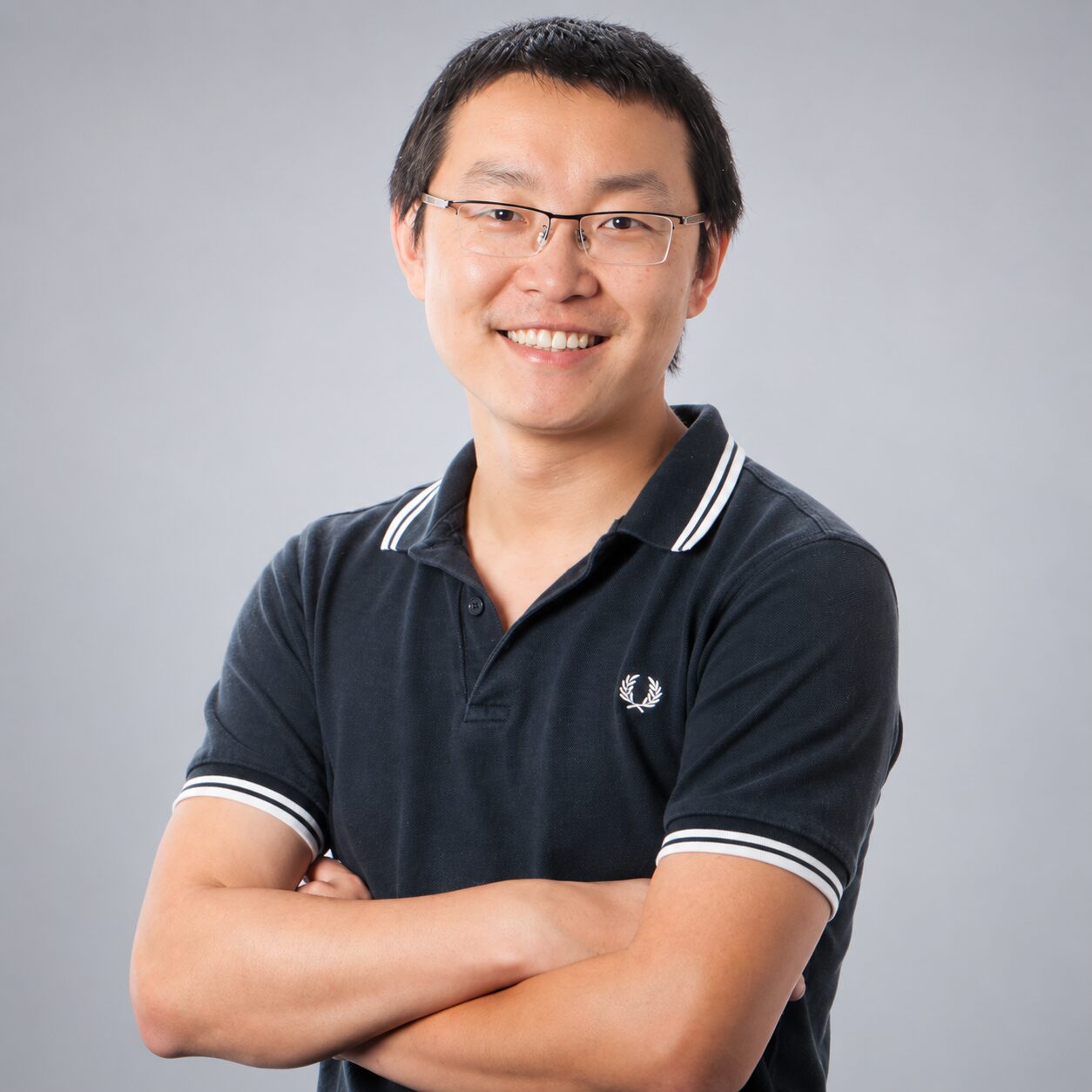
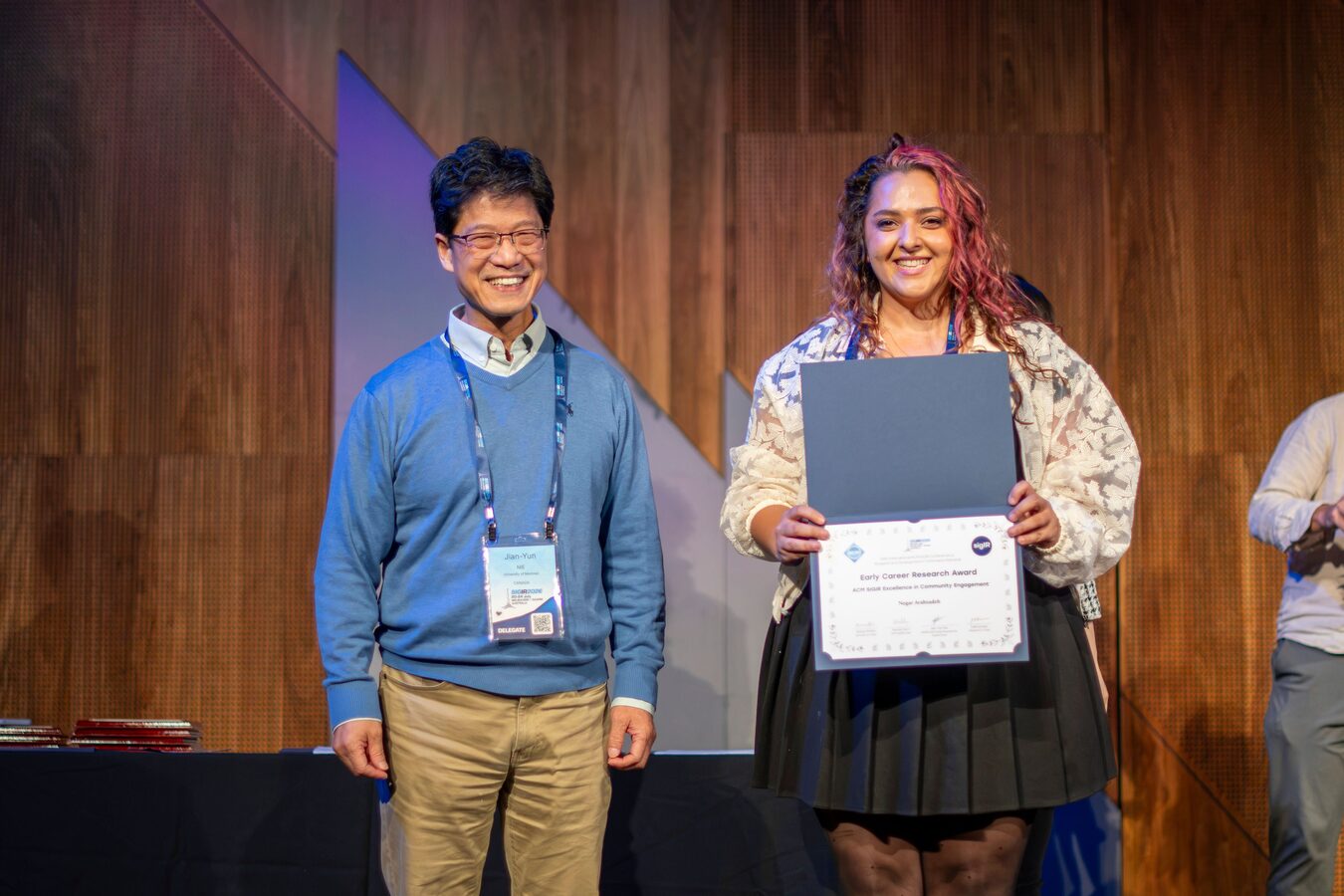
A paper co-authored by Waterloo electrical and computer engineering professor Weiyi (Ian) Shang was honoured with an ACM Distinguished Paper Award at ASE, the 2026 IEEE/ACM International Conference on Automated Software Engineering. “Stop When It Matters: Detectability-Guided Microbenchmarking for Performance Regression Testing” came out of a collaboration among institutions in Canada, Europe and China.
Developers run microbenchmarks to catch software slowdowns but often do not know how long to run them, and common methods stop when results look stable or a time limit is reached. The paper shows that stability is not enough, because a benchmark can look stable and still be unable to detect a real regression.
Its method, TT-MDE, uses minimum detectable effect reasoning to decide whether a benchmark should stop, continue or end because the target slowdown cannot be reliably detected in the time available. That could make performance testing in continuous integration cheaper and more trustworthy, and developers can define which slowdowns count as negligible. Shang researches software engineering, including ultra-large-scale systems and performance engineering.
Sources 1
Chapter 06 · Awards & RecognitionRead it in the issue →