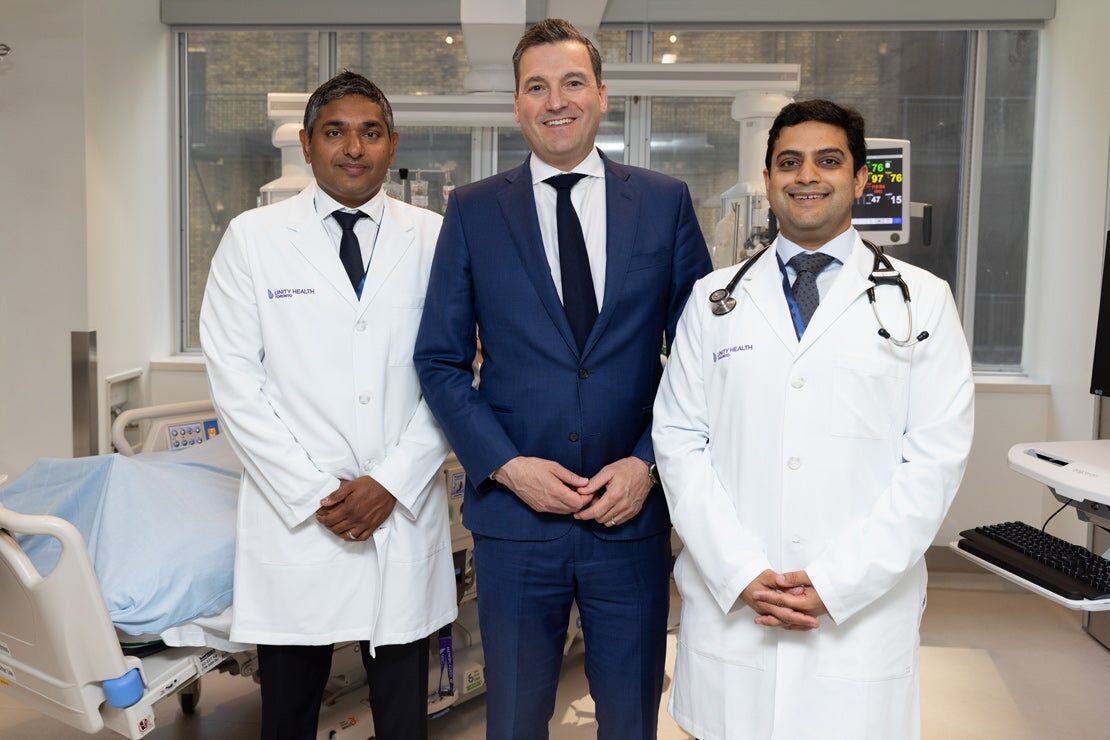
As medical residents at the University of Toronto, Amol Verma and Fahad Razak noticed that many hospital quality decisions rested on opinion or on the most persuasive voice in a room. With colleagues across the university they built a data network at Unity Health Toronto that linked dozens of Ontario hospitals while safeguarding patient privacy.
That effort became Vital, a national health data network that recently secured $100 million in federal support through Canada’s national AI strategy. It already reaches 160 hospitals across Ontario, Quebec and Alberta, and there are plans to cover all of Canada’s provinces and territories, with seven already interested.
The Ontario platform, called GEMINI, has supported more than 150 research projects. Razak says analysis and reporting from the network have reduced 50,000 patient-days in hospital over the last 18 months.
Reported from How a project led by Unity Health and U of T researchers could reshape Canadian health care (U of T News, August 11, 2026).
More from the original reporting: www.utoronto.ca/news/how-project-led-unity-health-and-u-t-researchers-could-reshape-canadian-health-care