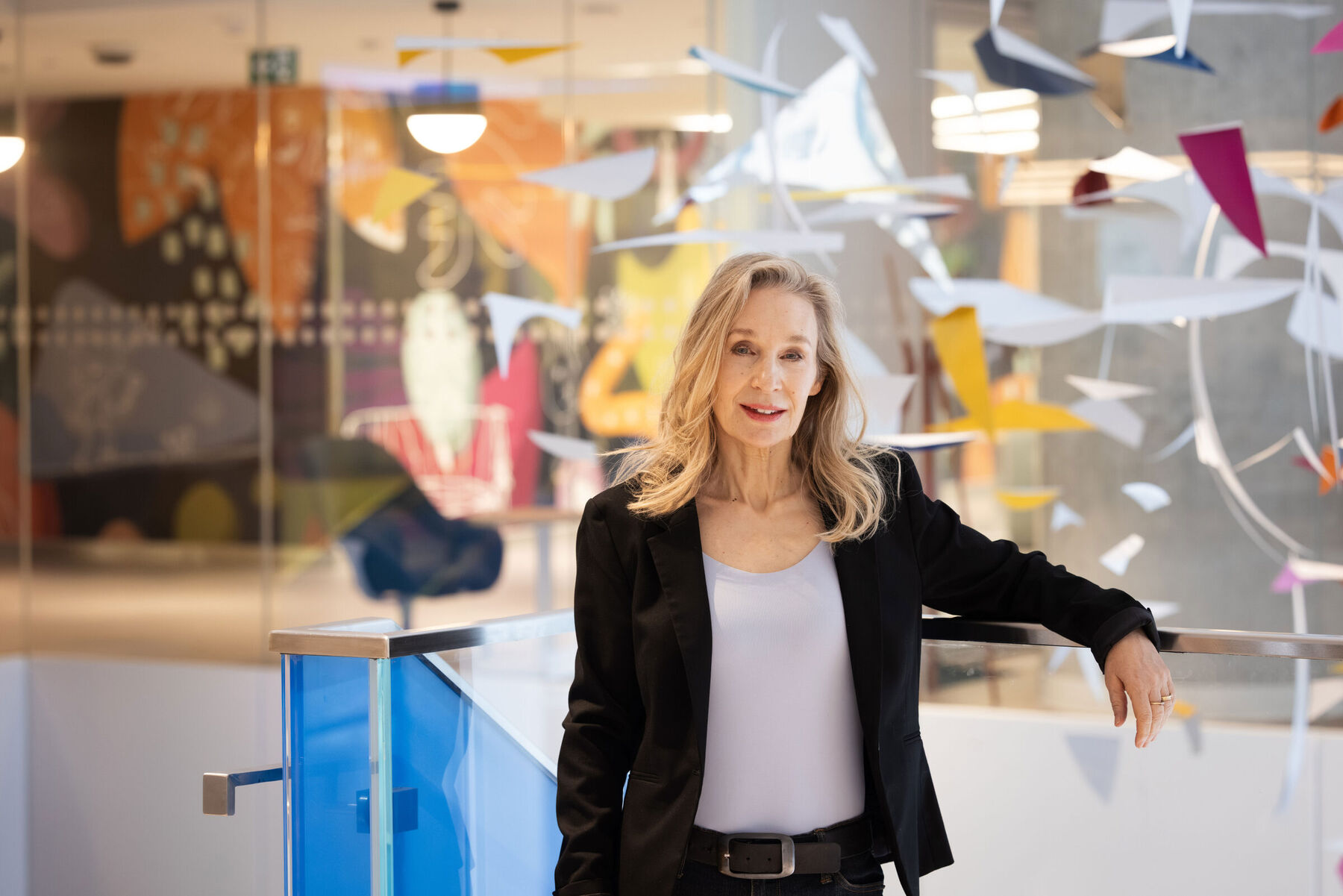
On March 9, 2009, Sheena Josselyn was wheeled in for an emergency C-section. Between contractions, she told the anesthetist she had a paper coming out — the study that would make her lab, at Toronto's Hospital for Sick Children, the first to find and erase a single, specific memory.
Josselyn earned her PhD at U of T in 1996, then spent her postdoctoral years at Yale studying how memory is distributed across the brain. In 2003 she founded her own lab at SickKids, working alongside her husband and fellow researcher, Paul Frankland.
Actually, I have a paper coming out.Sheena Josselyn
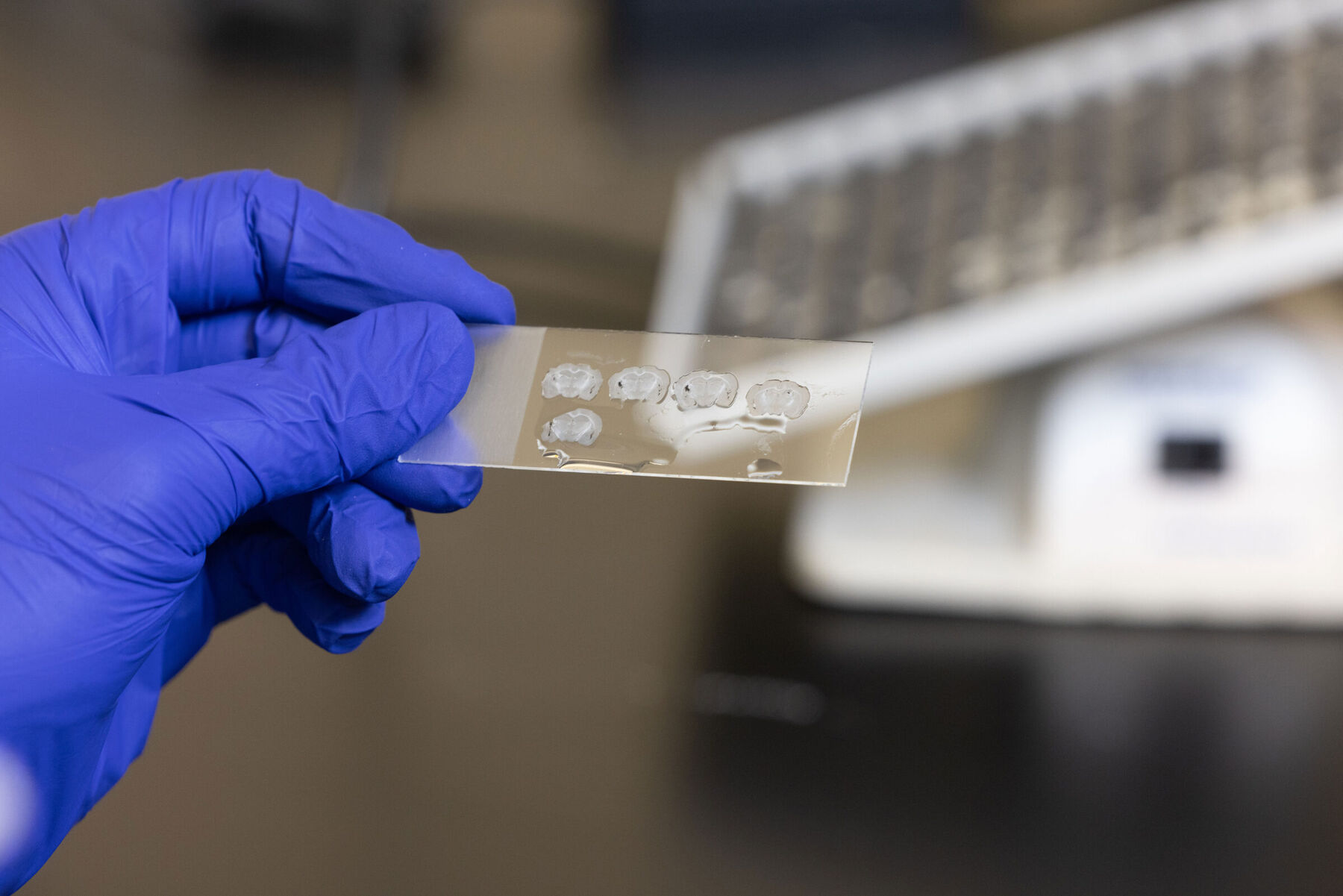
The lab used optogenetics — a technique built on light-sensitive proteins first found in algae — to switch individual neurons on and off, isolating one fear memory and deleting it while leaving every other memory untouched. The 2009 paper landed the same week her daughter was born.
Twenty-five years into studying how memory functions, Josselyn has turned that precision toward the diseases that distort it. A 2025 paper in Cell traced oversized PTSD engrams to a cortisol-triggered cascade in the brain and found a way to reverse it — work she pursues partly because she watched her own mother's memory dissolve into dementia.
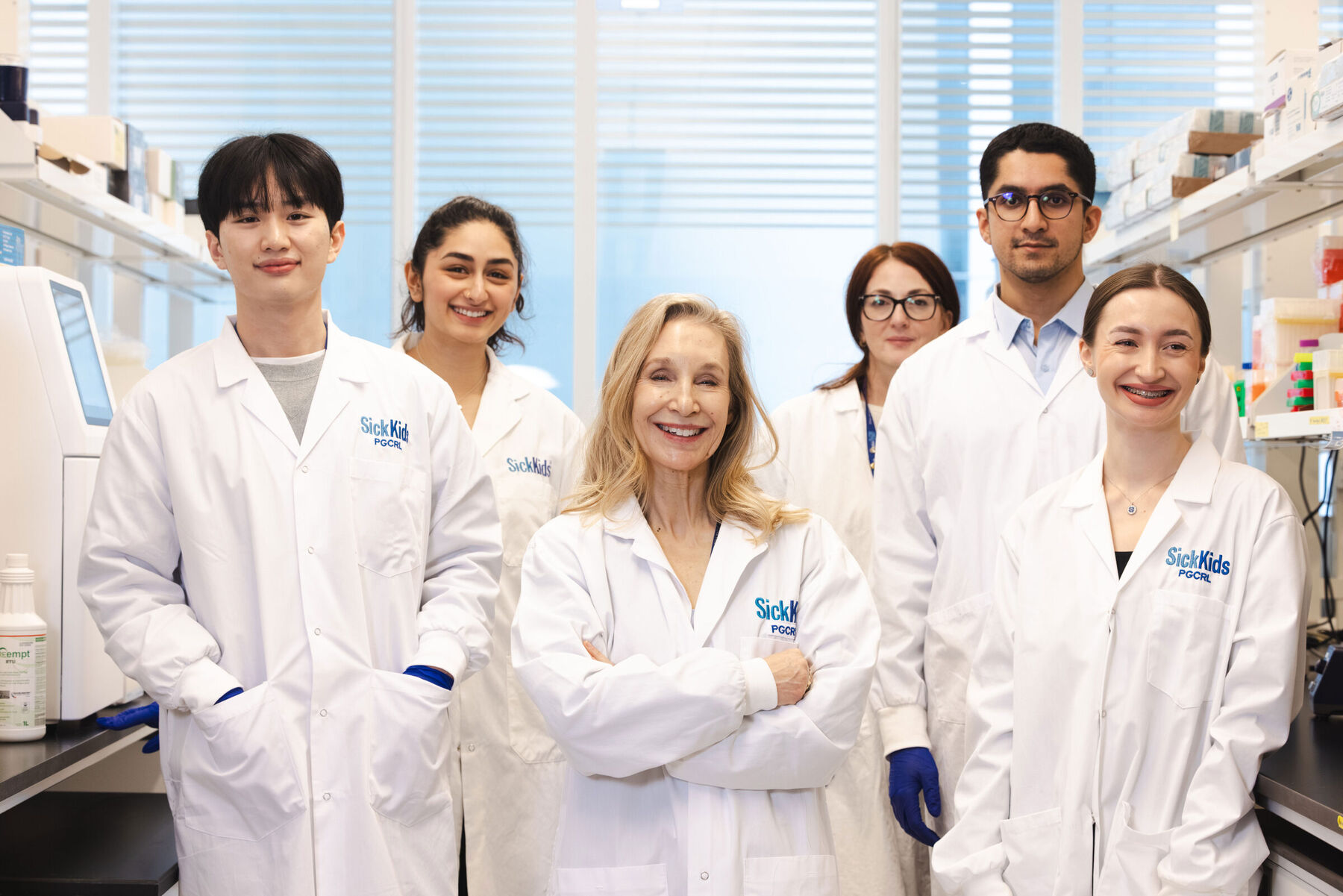
In 2025 Josselyn was named a Fellow of the Royal Society of Canada and elected to the U.S. National Academy of Medicine, and won both the Peter Seeburg Integrative Neuroscience Prize and the Margolese National Brain Disorders Prize. In the SickKids lab today, PhD candidate Sofiya Zbaranska carries the work forward, studying how the brain stores social memory.
Reported from U of T professor and alum found where memories live: can it help people with Alzheimer's and PTSD?, by Adina Bresge (U of T Alumni News, May 21, 2026).
More from the original reporting: alumni.utoronto.ca/news/u-t-professor-and-alum-found-where-memories-live-can-it-help-alzheimers-and-ptsd