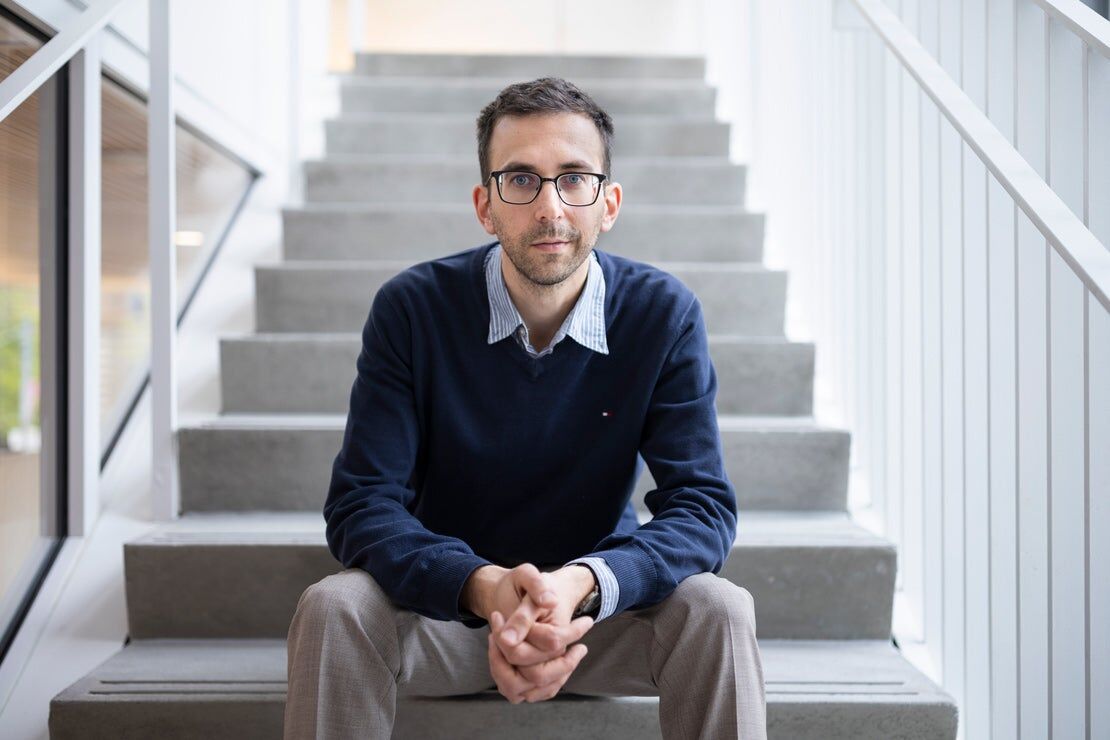
Nicolas Papernot is an associate professor of electrical and computer engineering, a faculty affiliate at the Schwartz Reisman Institute and a faculty member at the Vector Institute, where he holds a Canada CIFAR AI Chair. In June his lab drew global headlines by showing how free models can be used to build an AI-powered worm that adapts its strategy as it moves from one device to the next.
After careful review, his team went public so defenders could prepare. He says his emphasis on transparency comes from a plain worry: if nobody outside a company can see what AI systems do, it is hard to know whether they are safe.
Universities, he argues, can act as a transparency bridge between companies, governments and the public by testing powerful systems in contained settings. He discussed the work at a Schwartz Reisman Institute event on Sept. 10, livestreamed on YouTube, and told U of T News that strong cybersecurity is what lets AI roll out safely.
Reported from U of T researcher calls for independent testing of powerful AI models, by Adina Bresge (U of T News, September 10, 2026).
More from the original reporting: www.utoronto.ca/news/u-t-researcher-calls-independent-testing-powerful-ai-models